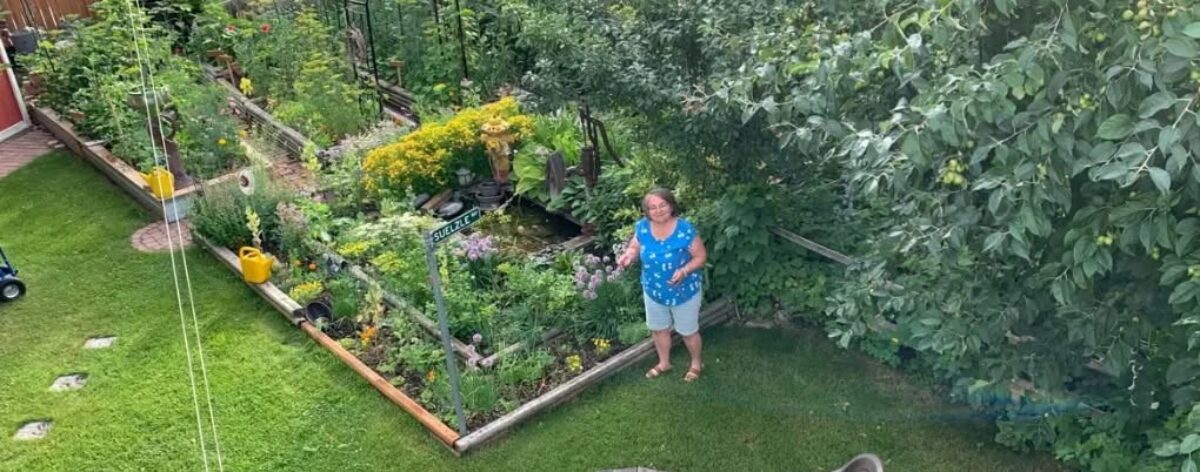
Healthy soil produces healthy, strong plants. It’s simple math.
It contains optimal nutrition – rich in microorganisms (bacteria, fungi, and earthworms) that break down organic matter into nutrients that plants can easily absorb.
Healthy soil builds immunity in plants, making them naturally more disease and pest-resistant.
It provides essential air pockets for roots to breathe and grow strong (proper aeration).
Healthy, nutritious soil results in healthy, nutritious vegetables.
What is the difference between SOIL and DIRT?
Soil is a complex ecosystem that supports plant life. Dirt is material that cannot support plant growth. Sometimes we get frustrated and feel that the universe is against us because our ground is full of weeds. We think there’s something wrong with it. Your soil doesn’t know the difference between a dandelion and broccoli. In many cases, weeds indicate that your soil is healthy and nutritious. It’s either a healthy place to grow or it’s not. If it grows healthy weeds, it will grow healthy vegetables. So relax, take a chill pill. If your new backyard, which looked so beautiful when you bought the house last summer, is full of weeds this spring, it’s not a conspiracy. Your soil is healthy. You just need to roll up your sleeves and get to work. But that’s another sermon for another time. The point is: when you don’t have any weeds, just nice clean empty ‘dirt’, you should be worried.
There is much we can do to continually improve the quality of soil in our home gardens.

How
ADDING ORGANIC MATTER by incorporating compost into the planting area, and using mulch all around the planting area not only enhances soil structure but also improves moisture retention and nutrient availability.
REDUCING TILLAGE! A long-term no-till commitment boosts microbial activity, improving soil health. Every time we dig up our soil, we destroy colonies of tiny organisms and critters trying to set up housekeeping. They are not the enemy. They are an important part of the soil ecosystem and critical to healthy soil. In addition, a no-till, mulched method of gardening reduces evaporation, addressing the problem of soil thirst. No more water wasted. Moisture passes through the mulch, where it is absorbed into the soil while being protected from evaporation.
AVOID THE SUNBURN OF BARE SOIL
There should be no bare soil in your garden. Not in the rows where the plants are growing, not in the spaces between the rows, not in the walking paths. Protect your soil from being sunburned.
Seriously? Soil can get sunburnt?
YES! As important as the sun is to life in general and to garden growth, it can harm the very soil in which our plants, which are completely dependent on it, grow. I know it seems like an oxymoron, but soil really does get sunburned. It’s the leaves that need the sun – they are the plant’s vital organs, primarily responsible for producing food through photosynthesis, utilizing sunlight, carbon dioxide and water to create energy. They also facilitate gas exchange (breathing), release excess water through transpiration, and can be specialized for storage or protection.
HOW TO PREVENT SUNBURNED SOIL
1. MULCH
Cover soil with organic mulch like straw, shredded leaves, small wood chips, etc. – but not a combination of these methods. Pick one and stick to it. Mulch creates a barrier (like sunscreen or light clothing for us), that keeps the soil cooler and locks in moisture. I use straw, dry grass clipping, chopped leaves and wood chips, but never together.

Wood chips take longer to break down, so they’re best used in paths. I use lots of it. They are so chunky and loose that they don’t compact down quickly, and are easy to walk on, keeping your weight centred in the paths and away from the delicate root growth area of your plants. Rain water goes right through the wood chips, seeping into the softer rows on either side of the paths.
MULCH prevents MOISTURE LOSS.
High heat causes rapid evaporation, drying out the soil and depriving plant roots of desperately needed water.
MULCH prevents NUTRIENT DEGRADATION.
Intense sunlight and heat can degrade essential nutrients, making the soil less effective for plant growth and health.
MULCH prevents MICROBE DESTRUCTION.
Extreme surface temperature can kill beneficial micro organisms and fungi that are living in the soil and are essential for plant growth and health.
MULCH prevents CRUSTING.
Crusting is when the top layer of soil becomes excessively dry, hard and cracked, reducing it’s ability to absorb and retain water.
The rows in my community garden plot are higher than the paths, and they never get stepped on, so the soil doesn’t get packed down. In it I use straw mulch in the rows around my plants. In my backyard garden – space and sun are at a premium, my plants are close together, mostly in raised beds, so we chop up our straw (with the lawn mower) so it’s easier to spread into small areas. I try to pile the straw no less than three inches deep, providing serious protection from the sun, additional nutrients as it breaks down, and keeping the soil moist.

2. COMPOST
Apply generous amounts of good, clean compost into the rows where you expect to seed. Pat the seeds into it. This will give the seedlings or starter plants, much needed nutrition, in their early life.
3. WATER DEEPLY
Watering deeply and early in the day reduces evaporation and allows water to penetrate deeply, instead of only wetting the surface. The straw mulch protects the moisture from evaporating quickly.

Always water near to the ground, avoiding drenching the leaves. Less of the water will be wasted this way, going directly where it’s needed most.
4. Use GROUND COVER PLANTS when appropriate
If you don’t have enough mulch, it may be helpful to use low growing plants like thyme in an herb garden, and chickweed in a vegetable garden. These offer shade for the soil, keeping it cool. They are both edible, delicious and nutritious, so clip often and bring them into the kitchen.
Keeping your soil healthy is crucial because it is a living ecosystem that is the foundation for all plant, animal, and human life. Healthy soil provides nutrients to plants, filters water, and stores carbon. Unhealthy soil is merely dirt.
Warmly,
Cindy Suelzle
