Part 2 – D,E,F
in this chapter: Dandelion, Dill, Echinacea, and Fennel. Feverfew is in another separate blog post all by itself called FEVERFEW, the Garden Herb you should know.
Some inside, some outside. Chapter continues to be a work in progress. I’d love to read your comments below.
DANDELION
– highly nutritious, containing vitamins C and B6, thiamin, riboflavin, calcium, iron, potassium and manganese. Acts as a mild laxative that promotes digestion, stimulates appetite and balances the natural and beneficial bacteria in the intestines.

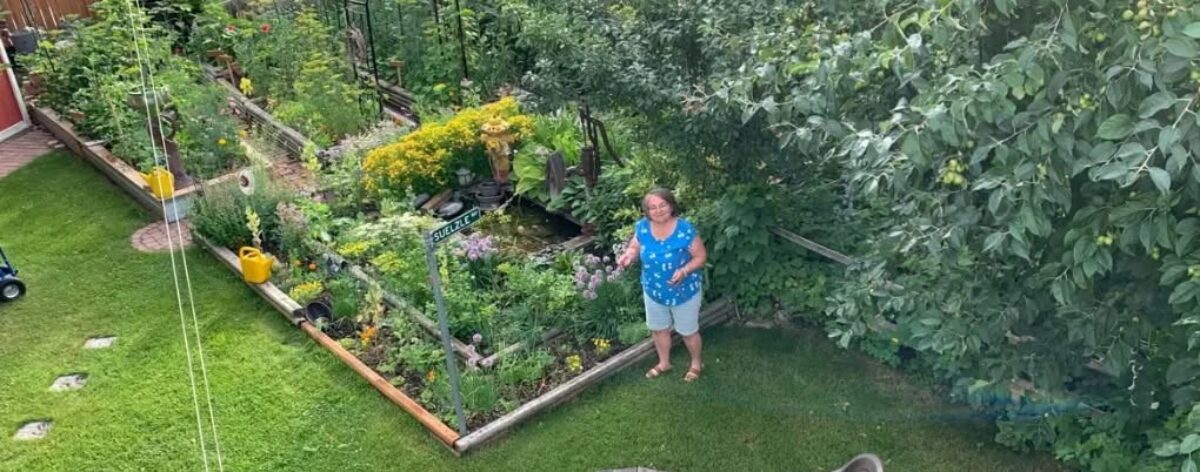
For the last several years now, I have a set aside a special place in my garden called “the Protected Zone”. In it, I plant ‘weeds’. It’s a weed refugee camp of sorts, where they are supposed to be safe.
Truth be told, I’ve had differences of opinion from time to time with the people who matter most to me about …. ‘weeds’. I maintain that a weed is only a label for a plant that someone doesn’t find value in, or that is growing in a place you don’t want it to grow. Call it whatever you want, but don’t be so narrow-minded as to believe that the name means there is no value. Years ago I decided to let poppies, dill, lambs quarters and even chickweed grow in my garden. Because I found a use for them. I don’t let them grow everywhere. I am aware of the aesthetics of my garden, but there are places where they don’t harm others and where they can serve a useful purpose.
Dandelions however, can be pretty bossy. They flower and seed and can take over easily so I don’t allow them free rein. But they have something to offer, so at long last – I’ve come up with a solution. A protected zone. Where they are free to grow and BE, so that I can partake of what they want to give me. In the protected zone, they can have like-minded neighbours that I’ll talk about later.

People with less vision try to help me out from time to time. They assume that I have missed this dandelion, or that plantain or heaven forbid, I did not know that chamomile was a ‘weed’, . . . . . and so they do me a favour and pull it out. I appreciate good intentions. Really I do! But I have tried to kindly say things like “I know you think you’re helping me, but that plant is welcome here. Now I have a new emphasis. I have had to remind people I love: “Hey! That’s a protected zone. Don’t touch anything that is in it” more times than I can number.
Why do dandelions have a protected spot in my garden?
Because from top to bottom, the dandelion is a highly nutritious plant, loaded with vitamins and minerals.
The name Dandelion comes from the French term dente de lion, meaning lion’s tooth, and referring to the jagged leaves. A common plant native to Europe, it grows wild almost everywhere in the world, and like so many others immigrated to North America inadvertently with European settlers centuries ago. Don’t get lost in its reputation as a weed, it has remarkable nutritional value. The leaves contain almost as much iron as spinach, and four times more Vitamin A. It contains calcium, phosphorus, iron, magnesium, sodium, Vitamin A and C, and is a power house of antioxidants.
The leaves are a little bitter for me, but their nutritional superiority is hard to ignore. When my kids were little, I would often gather some (from my own yard where I knew they were safe) to add to a summer salad of mixed greens. I made the mistake of doing that once in front of my twelve year old brother-in-law. He did not like the idea, and told on me. “Cindy made me eat ‘leaves’.” (I was glad he didn’t say weeds. His mother was a very plain cook and had a problem accepting me in the beginning as it was.) asked him recently (he’s now 50 and a little more adventurous in his eating) “Do you remember having a problem with that sorta thing at my house?”
YES! He sure does remember! LOL. I wanted to ask if he felt bad about the criticism I took, but I didn’t want to push my luck.
There are many health benefits in addition to nutrition that are attributed to dandelions.
Because of its high amounts of specific vitamins and minerals, dandelion is used for jaundice and other liver disorders, urinary disorders and anemia, as well as inflammation, blood sugar regulation, reducing cholesterol, and lowering blood pressure. Research indicates that dandelion may also have antimicrobial and antiviral properties, which supports your body’s ability to fight infection, making it an immune enhancing herb.
growing
Hahaha – I’m sure no one needs any help figuring out how to grow dandelions, but be sure that any you use are free from sprays intended to kill them. I would never pick a dandelion that didn’t come from my own yard, and sometimes not even then. Hence, the protected zone.
harvesting and using

*Leaves: are more tender and less bitter in the early spring. Simply snip the leaves from your protected plants, as you would any other garden green. Wash in warm water, and dry as you would leaf lettuce. Cut them up to add into a salad to distribute among the other greens. Studies indicate that bitter flavours are great for digestion and curbing sugar cravings. Eating more dandelion can be as simple as sprinkling a handful of chopped leaves into your next salad. Or use them in sandwiches like you would leaf lettuce.
The leaves can be sautéed in oil and added to casseroles or soups, or other dish of greens. Many people like the “earthy, nutty, pleasingly bitter flavour”, that has been compared to the taste of endive.
*Flowers: can be picked when they are nice and young. Remove all green from the underside, not because it’s bad for you, but because it doesn’t taste good. Toss into your salad whole. Some people batter the blossoms and deep fry them like a fritter.
Or make a dandelion iced tea. NOT kidding! It is quite delicious and refreshing. Pick lots of dandelion flower heads, wash them by gently swishing in cool water. You’ll be surprised how much dirt will settle in your water when you thought they were clean. Put them in a clean pot and pour boiling water over to cover and a few more inches. Let them steep for an hour or two till completely cooled. You can drink anywhere along the line, the only difference is gonna be whether its hot or cold, and the strength of the infusion of course. I’ve drunk it hot, room temperature and cold from the fridge. I like it all ways, but probably chilled is my favourite. Surprisingly it does not need any sweetener. I think it would be good with lemon, but I’ve never felt the need to add any.
*Roots: are good throughout the growing season. Some say they’re better in early spring, but I can’t say that I’ve noticed a difference. When digging, make sure you dig deep down to get as much of the root as possible. Cut them off the plant and soak them in water to loosen the dirt. Brush and rub together to clean, changing water as needed.

To make a coffee-like hot drink (decoction): chop into small pieces no more than 1/2 an inch. Heat your oven to 375° F, and place roots on a dry pan to toast for 20-30 minutes (depending on how many you have in the pan). I know it seems like a high temperature, but its okay – you can trust me, just don’t walk away and leave them alone. (If you’re worried about the temperature, reduce your heat to 350 degrees and expect to add a few more minutes.) Check every five minutes or so, and toss them around when they begin to toast keeping the toasting even. The pieces should smoke a little and give off a light chocolaty, earthy aroma while cooking. When most of them look like ‘chocolate’ pieces, and snap apart easily they are done. Allow them to cool, and then store them in an airtight jar out of sunlight.
to prepare your ‘coffee’

Use the toasted dandelion pieces as is (2 Tablespoons for 2 cups of water), bring the water to a boil and lightly brew/simmer for 10-15 minutes. Your water will reduce by about half so you’ll end up with one cup. – OR – Throw your toasted root bits into the blender and blend to a coarse crumble – (like cocoa nibs). To prepare your drink, pour boiling water over top of the nibs (1 Tablespoon to 1 cup of HOT water) and steep as you would a loose leaf herbal tea. Let it sit five minutes or longer, and test for strength and adjust your amounts according to taste. Strain, and enjoy.
For variety, consider adding a cinnamon stick or some cardamom seeds to your cup from time to time. A nice warming hot drink for a cold winter evening.
Dandelion root is often dried and consumed as a coffee substitute, but I’m told it can also be eaten in its whole form. I have never tried to eat it this way, that might be for another year. I’m just happy with what I’ve got now.
DILL
– hardy garden herb. Self seeds, but best to sow new seed every year if you want a nice dependable crop.
growing
I lightly broadcast seed once my garden beds are ready to plant. If you have a bigger garden and can spare the room, grow dill in its own bed close together so that the stalks support each other. I don’t have room to grow a bed of dill, so I broadcast it among other plants in my vegetable and even flower beds. As it will grow about 3 feet tall, I like it interspersed with low plants like cucumbers. This also assists the plant with stability when the wind blows. It loves sun, and is a happy plant that is synonymous with ‘summer’ in my eyes. Especially when its green. For a continual harvest, sow repeatedly from early spring to early summer.
harvesting and using
Once it starts to go to seed, it means the summer is over so I do everything I can to delay its seeding. I pick as much of the green ferny leaves as I can throughout the growing season, trying to delay the inevitable, and using them almost daily in my meals.

I use most of my dill when it is green: the dill weed. I clip as much of the green leaves as I can find, coarsely chop on a board to add it to dishes at the last minute, preserving its wonderful but delicate flavour. What I don’t use immediately, I freeze in a container to use all winter long simply by scraping out of the container with a fork and returning the remainder to the freezer. Make the most of it with all summer produce like cucumbers, zucchini and tomatoes, and in spreads, dips and sauces. It is classic with fish, eggs and potatoes. One of my favourite summer recipes is fresh garden potatoes boiled with a creamy dill sauce poured over top. Adding to potato salad makes all the difference, and put lots in a creamy cucumber salad dressing.

recipe: Buttermilk Dill Dressing
in blender, put aprox 2 cups fresh dill weed and 1/2 cup buttermilk. Puree.
Add 1/2 cup of chopped chives, garlic chives, green onion, or chopped onion. Your choice.
Puree again.
Add 1/3 cup mayonnaise, 1/2 teaspoon salt, 1/2 teaspoon sugar.
Puree again.
That’s it! Ready to pour over your fresh garden salad.
If you would a thicker creamier dressing, separate 1/2 cup dressing and stir in some plain yogurt or sour cream to it. To your desired consistency.
If you would like to make a vegetable dip:
4 oz cream cheese, softened. Beat with hand mixer till fluffy. Add dressing, a tablespoon at a time, beating between each addition. Continue until you are happy with the consistency and flavour. You might even want to add a little more chopped dill, for texture to your dip.

Although I do everything I can do to prevent my dill from going to seed, its gonna happen eventually. The seed is very valuable in the kitchen too. Use crushed or whole to flavour soups, sauces, breads and salad dressings. Steep the seeds in hot water to make a ‘tea’.
Even the stem can be used and is delicious. When small and tender, chop it up right along with the leaves. When the plant is older and the stems are older, use them to flavour soup stock just like you’d use a bay leaf. Add them to the cooking water of boiled potatoes. The flowers too are edible and look beautiful in summer arrangements on my kitchen table.
Medicinal Benefits:
Seeds are steeped into a ‘tea’ to treat flatulence, digestive disorders and stomach pain. For all these attributes it is often used to soothe colicky babies. Or a little essential oil in water would do the same thing. Dill seeds act as breath-fresheners.
ECHINACEA (cone flower)

Echinacea purpurea (Purple Coneflower) is a perennial flowering plant native to North America (east of the Rocky Mountains), and a very popular home garden choice. It has a large center cone, surrounded by colourful petals and it brightens up the garden in mid-summer. While considered a perennial, a healthy echinacea plant can be expected to grow from 3 – 5 years in your garden. So if you thought you had a good thing going and one spring your echinacea didn’t come back, stop taking it so personally. If planted by seed, it may reseed itself to continue its presence in your garden, but depending on so many different factors it is impossible to count on it.
Echinacea was used medicinally by the native people of North America, and adopted by settlers. It became popular for household use up until the mid 1900’s when antibiotics became the miracle drug of the 20th century, but in the last few decades it is regaining its former rockstar status, and is now commonly purchased over-the-counter as an herbal remedy.
Studies have linked echinacea to reduced inflammation. It seems to activate chemicals in the body responsible for decreasing inflammation, and is purported to have immune enhancing properties. These attributes make it a popular herb when treating upper respiratory ailments and the flu. All parts: flower, leaves and roots are believed to stimulate the body’s immune system, and are used in tablets, tinctures, extracts and teas. I’ll tell you right now, it tastes awful, so keep that in mind. I’ve never been able to disguise its yucky taste, so be prepared to buck up and get it over with. My kids used to call it “yuck-i-necea”.
growing:
I have only ever purchased my plants from a garden center, but they are kind of a pricey plant and I’ve had the disappointment several times when they didn’t come back in the spring. Evidently one can take cuttings from happy plants, as Echinacea responds well to root divisions, so I think I’ll be trying that this summer (2020). Also, I have never done it but I understand that Echinacea Purpurea (the desirable choice for medicinal properties), grows readily from seed, so I’ll be looking for seeds from my plants at the end of this growing season to start indoors next spring.
The seeds are supposed to germinate in ten to twenty days, so for me, in zone 3 that means it is better to sow indoors in containers and then transplant outside later. This also avoids competition from weeds until the plants are strong and growing well.
I have my Echinacea Purpurea in well drained soil that gets a good amount of sun. Once they were established they do well with a normal amount of watering – this year the rain sufficed. Remember, they’re indigenous so they can tough out most natural drought conditions, but they’re not a cactus or a succulent so they’re gonna do better when you give them water. To give them every chance for success, keep the weeds from competing for sun and moisture. I have them in my herb garden around some pretty aggressive plants like St John’s Wort, Borage and Feverfew. I have to go in and referee once in awhile to keep the bullies down.
Leave the plants standing through winter to feed the birds, and trim back in the spring to encourage bushier plants that bloom longer into the season. Coneflowers are prolific bloomers that will keep blooming the whole summer. Each flower remains vibrant for several weeks. Deadheading in the key, and is the primary maintenance. Keeping the plants deadheaded will ensure you keep getting more flowers.
You can use the petal, leaves and roots, but it is generally believed that the roots contain the most active compounds.
harvesting:
roots: Best to harvest in the fall, after the flowers have gone to seed and after a couple of frosts. Cut only a portion of the root so that the plant will come back in the spring. Wash the root thoroughly and then cut it into small pieces about half-inch, lay loosely on a clean tea towel in a well ventilated area and out of direct sunlight. It could take a week or more for the pieces to dry so don’t rush it. If you have a dehydrator, you’ll shorten the time. When you are certain they are completely dry, store them in an airtight glass container out of the light.
flowers and leaves: Best to harvest when they are fresh and new, right after the flowers begin to bloom. Cut each stem just above the first set of leaves. Rinse to ensure they’re free of dust and hang upside down to dry or lay them flat on a clean tea towel or screen. If hanging, tie a paper bag around the flower, as the petals will drop. When the leaves and petals are completely dry, store them in a sealed glass jar. As always, keep the jar out of the light.
using:
An infusion (herbal tea) is the best way to use the leaves and flower petals. To infuse means to steep in liquid, usually hot or warm. It is a gentle preparation usually used to extract flavour, and is what we commonly refer to as ‘tea’ when not using true “tea leaves”. An ‘herbal tea’ is always an INFUSION. Keeping it covered during the steeping, ensures the aroma doesn’t escape in the air. It can be served hot, or cooled and served chilled. For echinacea, use about a tablespoon of dried leaves and flowers to each cup of water. Steep for 15-20 minutes, strain and serve.
A decoction (coffee is more of a decoction) is prepared a little more aggressively, and is generally used for roots. It is a longer process and requires continued heat, keeping the water gently boiling. It involves the extraction of substances that an infusion cannot accomplish. For echinacea decoction, use 2 Tablespoons of dried root in 3 cups of water. Simmer for 20-30 minutes, strain and serve.
. . . . more to come
FENNEL
I’ll be honest. Fennel as an herb is relatively new to me. I’ve used fennel seeds in spaghetti sauce for years (my sister-in-law Pat shared her secret with me when we were both young married), but my son Zack recently taught me that toasting them in a hot skillet for a few minutes brings their flavour to a whole new level. I hope I am never tempted to skip this step in the future. Fennel seed has a unique herbal flavor, reminiscent to anise. Licorice-like but don’t let that turn you away if you’re not a licorice fan.
Toasting fennel seeds give off a wonderful aroma that is hard to describe – it is so wonderful. Fennel extraordinaire. Toasted, there is a nuttiness added to the flavour that they didn’t before. Zack spoke so highly about the whole “experience” that I went out and bought some seeds that very week to try it. Go ahead and do the same thing.

Fennel has a rich history. It is indigenous to the Mediterranean region where it was used anciently. Gradually it migrated east and north where it became popular in Northern Europe and the Far East. It is a main ingredient of the famous Chinese Five Spice mixture. It is used in toothpastes and as a breath freshener in India. (that does not appeal to me)
It is a member of the carrot family, and closer to parsley than it is to its very close-look-alike ‘dill’. Every part of the plant is edible and is used in very different ways.
One of my culinary and garden experiments this year (2020) is fennel. I planted only one fennel plant, but you can bet next year I will be planting a whole row next year. I’ve been using the ferny fennel fronds chopped in salads for a long time and I am looking forward to harvesting the bulb as a vegetable. This means I won’t be able to let it go to seed for harvest later, but I know I’ve got enough purchased seed on hand for now. I’ll plan to harvest seed next year.
growing:

Fennel is a poor companion in the vegetable garden and it will cross pollinate with dill so I try to keep them separate. As I broadcast dill freely, keeping them separate is a bit of a challenge. Since I am interested in fennel seed AND the bulb, and I cannot get the seed if I harvest the bulb before it seeds, it seems to me that planting it as a vegetable should be safe in my vegetable garden. Some gardeners say they grow fennel in raised beds close to vegetables as it encourages helpful predatory insects to the garden. Letting one or two of those plants go to seed so that I can harvest the seed should be sufficient for my needs. I have read as many pros to growing fennel with vegetables as I have read cautions, so I guess I’m just gonna have to learn from my own experience.
There is one rules that I will follow:
1. Dill and fennel are kissing cousins. As they are closely related, dill and fennel should not be planted near each other because they cross pollinate, and mixing will yield a very disappointing result with a bitter taste and lack of vibrancy to both.
*mature dill will stunt growth of carrots
using:
Leaves:
The feathery green leaves of fennel at first glance look like DILL, but once you see them in the garden together you’ll see that fennel is a lot more compact, and doesn’t go to seed as readily. (don’t use the word ‘together’ too literally, dill and fennel are NOT good garden companions. See above.) Clip the greenery throughout the season as needed and chop coarsely to add to salads, and other cold dishes. You can also make a lovely herbal tea with the leaves. While dill leaves lose their wonderful taste with drying, not so with fennel. So drying the leaves for winter teas is a good option.
Bulb:
I am told that you can sneak off a few outer layers of the bulb mid season without harvesting the whole plant, so you can continue to benefit from the greenery. But generally, like any root crop (although the bulb grows above ground), once you harvest the bulb – the plant is done.
Thinly slice the root bulb to use as a vegetable, fresh in salads or to lightly saute in stir fries, or to cook in other dishes.
Seeds:
Toasting the seeds brings out (and magnifies) their natural scent and flavour.
Gently grind them in a mortar and pestle to release the oil (and therefore flavour).
Add them in everything to everything Italian.
Add them with curry powder, or where you would normally use curry powder.
Add them in or on your homemade bread.

How to toast fennel seeds?
You can store them in a tightly sealed jar, but I only toast what I am going to use right away. It only takes 5 minutes and it doesn’t dirty any dishes so its quick and easy.
Heat an ungreased skillet over high heat. Once its warm, place your fennel seeds on the surface and either use a wooden spoon to stir or shake the pan to keep seeds moving so they don’t burn. Some may even ‘pop’ a little. Don’t walk away, it will only take three or four minutes. When they’ve become a nice toasty colour and are starting to become noticeably fragrant, remove from heat. Pour onto clean plate to cool. Best to remove the seeds from your skillet to prevent scorching.
as an herb
Fennel is most known for helping with digestion, probably more specifically in dealing with INdigestion, and related problems like heartburn, bloating, and colic in infants.
If you are prone to these digestive ailments, you might want to add more fennel to your diet to head them off before they occur. Having cold fennel water in the fridge to sip during the day will not only give you the benefit of fennel, but also the great benefit of adding more water to your diet – which will help immensely.
Bring 3-4 cups water to a boil, add 2 Tablespoons of fennel seed, reduce heat and simmer 10-15 minutes. Drink as a hot tea, or cool and sip as a cold drink throughout the day.
Giving a colicky infant a tablespoon or two of fennel water will help ease stomach upset and gas.
Alternatively, try steeping fennel seeds in water for a couple hours. This will give a pleasant flavour to the water and will be a refreshing drink throughout the day.
Chewing fennel seeds is also supposed to help, and many people recommend it, but this doesn’t appeal to me. I guess its all about what will work for you. Incorporate fennel into your diet in any way you can.
-I’d love to hear your thoughts on these herbs and your experience or recipes for them.
Watch for sequel posts on other herbs in the garden or in the house.
Warmly,
Cindy Suelzle


 but it was usually too early and a late spring frost or big wind or something else we couldn’t control would eliminate any serious promise of the blossoms fruiting out. Until one year. The stars all lined up I guess. Beautiful blossoms. No late frost. No big wind. We were surprised to see cute little green apricots form. Still we had no expectations out of them. No sense putting our hope in unrealistic places. …. But they continued to grow, and they ripened into that beautiful apricot-orange we’re so familiar with. Being the eternal skeptics, we figured they’d be lousy because … well, EDMONTON! Hello! You don’t grow apricots in Edmonton.
 (from beta-carotene). When my kids were little, dried apricots were a real treat, and apricot nectar (though pricey) was the fruit juice that I bought for whoever happened to be sick at any given time. The sick person got to drink a whole container apricot nectar all to themselves. It was their special food-medicine because it is so rich in infection fighting and immune enhancing vitamins A and C as well as minerals and so many antioxidants that are known to fight free radicals in the body, and protect us from disease. When appetite is minimal anyway, it never made any sense wasting it on anything that wasn’t going to help heal.
 For eleven months of the year, I choose to eat FREEZE DRIED Apricots. After tree-ripened ‘FRESH’ – which lets face it, doesn’t happen too often in Alberta, freeze dried is the MOST nutritious source of apricots. Of course nutrition is optimised when care and attention are given to the ‘quickness’ of the process, ensuring fruit was tree-ripened and that time between harvest and flash freezing is measured in hours rather than days. Although the method of freeze drying is standard, the care of beginning with the best possible fruit varies from company to company. There are many different brands of Freeze Dried fruits. Do your investigation and find the one that guarantees best nutrition. A good source of freeze dried apricots could yield up to 95% of the original food value. And bonus: if packed properly in an oxygen free can, the shelf life could exceed twenty five years. This is a pretty impressive and stable way to keep apricots on hand for everyday use all year long.
 Pineapples – those wonderful tropical fruits that are so gorgeously delicious – are even more nutritious than you may have believed. I live in Canada, so the pineapple I grew up on was the same as what my parents had available – canned. Dole or Del Monte. We thought that was delicious enough – imagine my delight when I discovered “fresh” pineapple in the produce department when I was all grown up and buying my own groceries! Oh My!
 We all know that fruits and vegetables are at their peak of perfection in every way – including nutritionally when they are picked fully ripe – having ripened ON the plant. Harvesting before ripe means of course that the nutrients have not had a chance to fully develop, and so are sadly lacking right from the beginning. Since fruits like pineapples and bananas have to travel half way across the world to reach us, taking two to three weeks minimally before we see them on the grocery store shelf we cannot hope to have them picked ripe. But wait a minute, must they always be less than they should be for those of us who don’t live in tropical countries?
 Most fruits and vegetables are an excellent source of dietary fibre, and pineapple is particularly fibrous – which is essential in keeping our intestines clean and healthy. But pineapple is also known as a wonderful source of digestive enzymes, perhaps the most important one being BROMELAIN, an enzyme that breaks down protein, being particularly beneficial in aiding in digestion.
 Since it is so perishable, it was not only a rarity in the early days, but many attempts have been made over the centuries to preserve it so that those of us not living in tropical climates can enjoy it. For centuries it was glazed in a sugar coating and dried as a luxurious treat for those who could afford it.
 Although the process of

 This tough, leafy green is loaded with vitamins A, C and K as well as immune-system booster beta carotene and bone-building calcium. It is a virtual powerhouse of antioxidants as well as having anti-inflammatory and anti-cancer properties. We all know ‘raw and fresh’ is best, so add it into a coleslaw. But don’t stop there. Lightly saute it with olive oil and red wine vinegar, just till the colour is that gorgeous bright green and it becomes tender to the fork. Add Kale to stir fries, omelettes and many other vegetable-friendly dishes toward the end of the cooking process. Think outside the box. Be creative.
 Sprouted in nature and packed with nutrients,
 Broccoli is probably the best known and most commonly used cruciferous vegetable in Canada and the United States, but make no mistake broccoli is not to be underestimated. There is nothing ‘common’ about it.