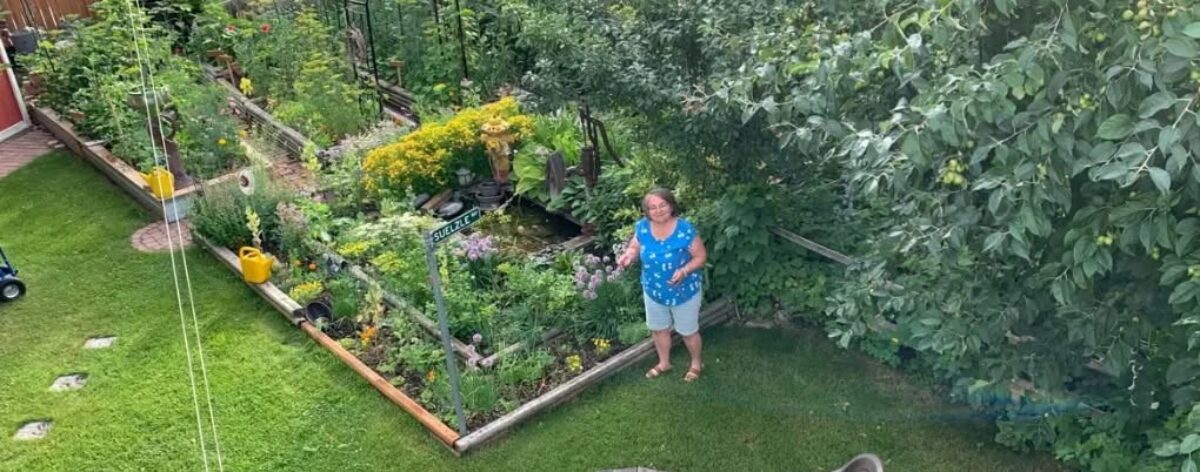
Studies show the presence of indoor living greenery helps with depression and anxiety, reducing stress and aiding cognitive function. Houseplants improve air quality, combatting dry, stagnant indoor air by increasing humidity and filtering pollutants. They boost mental health, alleviating the winter blues (Seasonal Affective Disorder).
How?
Humidity – Plants release water vapour through their leaves, helping counter dry skin, irritated sinuses, and breathing issues caused by dry indoor heat.
Clean Air – Plants remove contaminants and toxins from the air which build up when windows are sealed shut.

Mood Boost – Taking care of plants is a therapeutic, meditative activity that reduces stress and fatigue. Studies show that being around plants improves concentration, increases mental energy and boosts productivity.
If ever we need the colourful, healthy greens of nature, it would be during the long dark months of winter. But what if we could add a few colours to those greens?
For a gorgeous display of colour, common coleus can’t be beat. Don’t let the word “common” fool you—this vibrant plant can brighten up your room or your summer flower garden simply by being there.
As a tropical plant, common COLEUS thrives in heat and humidity, but it does not require full sunlight. In fact, whether grown indoors or in the garden, it performs best in bright, indirect light or moderate shade (not deep shade).
The stunning hues of coleus are the result of how the plant reacts to sunlight. Light enhances certain pigments while reducing others, such as chlorophyll, which explains its rich and diverse colouration. Bright indirect light intensifies its vibrancy, while direct sun can cause fading—and eventually damage.
Brighten up a shady corner in your living room or your summer flower garden with a colourful coleus.
listen up people!
SAD is a great acronym for what it stands for. In addition to the abbreviation, the word is the perfect explanation for what it is – Seasonal Affective Disorder is a recognized type of major depression characterized by a recurrent seasonal pattern – triggered by reduced sunlight, Interventions focus on mimicking natural daylight and building healthy coping mechanisms
Symptoms typically begin during the late fall or winter months when daylight hours decrease and generally resolve in the spring or summer. triggered by reduced sunlight, interventions focus on mimicking natural daylight and building healthy coping mechanisms
Common Symptoms
- Persistent feelings of sadness, anxiety, or hopelessness
- Low energy and excessive daytime fatigue
- Increased appetite, cravings for carbohydrates, and associated weight gain
- Difficulty waking up
- Loss of interest in normally enjoyable activities and social withdrawal
Treatments
- Light: turn on the lights! Some may find specialized lights that mimic natural sunlight helpful in regulating hormones like melatonin and helping to adjust your biological clock and improving brain chemicals linked to mood.
- Talk: talking to a friend can help modify negative thought patterns. Using a specialized lightbox that mimics natural sunlight to regulate hormones like melatonin. Talking to a person you trust and admire (may even be a therapist) is considered highly effective and often provides longer-lasting results than light therapy or medication.
- Lifestyle Changes: Get OUT of the house. Go for a walk. Challenge yourself to smile and say hello to every person you pass. Get your heart pumping, add more fruits and vegetables to your day. Consider taking a Vitamin D supplement. Maximize natural light exposure.
- Serve: Take care of a living thing: like a houseplant or a puppy. Or your family. Or help a friend. Get lost in the care of someone else for a time – who may also be experiencing the same thing. Charitable service always helps.
And get yourself a few houseplants!
Warmly,
Cindy