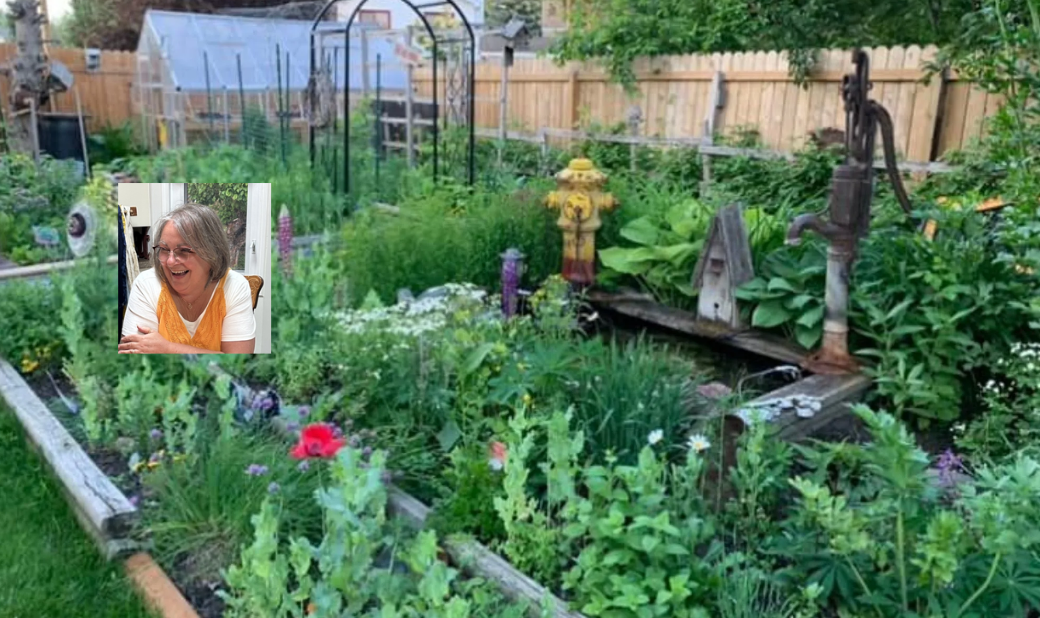
Celebrating and Eating APPLES

Here’s to APPLES! In all their glory. Red, yellow, green and everything in between. Sweet, tart, big, small. Here’s to apples one and all.

People have long understood that apples were “good for you” even before nutrition was understood. We’ve all heard the aphorism “an apple a day keeps the doctor away“. It appeared in print in America in 1913, one of the first public appeals targeting parents especially, correlating good health with eating ‘nutritiously’.

It likely originated from a similar proverb that first appeared in a Welsh publication in 1866. Though a different rhyming format, the message is the same: “Eat an apple on going to bed
and you’ll keep the doctor from earning his bread.” 

Apples are probably the most well known fruit in the world. They are nutritious and delicious and grown in most parts of the world – especially the northern hemisphere. They originated in Central Asia – east of the Caspian Sea, and by the 1500’s apple seeds had made it to Europe. When Europeans began transoceanic travel, apples were carried to the Americas and dispersed throughout the world.

Currently, there are literally thousands of different kinds of apples – in every variety, colour and flavour; they’re eaten fresh, cooked into savoury dishes, made into desserts and drank as juices, ciders, wines and teas, and are even a popular vinegar. They are free of fat, cholesterol and sodium, a great source of dietary fibre and vitamins, and help lower blood sugar levels, benefitting heart health. Much of the apple’s fiber is found in its peel, so don’t peel your apples unless you have to.

I discovered a few years back that in most cases the apples on our supermarket shelves can be up to a year old.  Whaaaaat!!!   Sometimes well over a year old.  In fact, the apples you’re buying this week are likely from the previous years’ harvest, having been kept in cold storage since last season – allowing us to have “fresh” apples year round.
At the is risk of being too critical, there really is no other way if we want to eat apples all year long. Where did we think they came from anyway?  

We know that apples in North America generally ripen between August and October.  When we buy an apple in May, we’ve gotta know that the earliest it could have been picked was last fall.   But to keep the steady supply that we’re used to, it was likely picked even before then.

Its a sign of our times that we want to have everything ALL the time.  
Well, there’s a cost to the sense of entitlement we’ve gotten used to.

click HERE to read An Apple a Day Keeps the Doctor Away …. uh yeah, about that ….
click HERE to read Apples the way they should be.

If you want REALLY “Fresh” apples, plant an apple tree. If that’s not possible, get to know you’re neighbours – there are lots of backyard gardeners looking for people to share their apples. A few years before our own apple tree began producing, we had asked a neighbour down the alley if we could have some of theirs. At the time, they were putting them all to good use, but the time came that their health became an issue and they could no longer keep up. We connected, and we’re happy to pick the apples, leaving them a box for eating, and cleaning up the dead fall that attracts wasps. We can help each other out.
If you don’t have such a neighbour, ask when you’re out on a walk and see an apple tree in need of attention. Or ask on Facebook if someone knows of someone who’d like their apples picked in return for sharing them. Or shop at Farmer’s Markets.

In central Alberta, some apples start ripening in August, and some don’t ripen till after Thanksgiving – with everything in between, so the harvests of homegrown apples are endless. Some apples are great for eating fresh, some are good baking apples, and still some are only good for making juice, but every edible apple has an important role to play in the gardener’s kitchen.

* Did you know?

Apples are actually BERRIES. Botanically, a berry is a fleshy fruit that develops from a single flower and contains two or more seeds. They are characterized by a soft, fleshy pulp and thin, outer skin – so with this definition, berries include bananas, grapes, tomatoes, pumpkins and watermelons. And interestingly, raspberries, black berries, strawberries and cherries – are not berries.

What to do with all those apples that are ready now, and needing to be taken care of?

Well for starters – Apple sauce . . . . . here are a whole lotta ideas of what you can do with fresh apples when they’re at their BEST.

Apple sauce
is generally a purée made of apples. It can be made with peeled or unpeeled apples and can be spiced or sweetened. It is inexpensive and is widely popular in North America and some parts of Europe.  Personally, I am not a fan of long cooked apple sauce that is pressed through a screen. I like the texture of apple pieces so I much prefer ‘fresh’ apple sauce, made on the spot with fresh apples softened over medium heat for less than 20 minutes. I am not opposed to canning it as a preservation method, but I want to see apple pieces.

Apple butter
is a thick, smooth fruit spread made by slow cooking apples with sugar and spices till the apples caramelize, resulting in a concentrated, deeply flavoured preserve. Essentially it’s apple sauce taken to a whole new level. The name refers to its rich spreadable consistency – butter like, not because there’s any butter in it. It can be spread on toast like jam, used as a topping for pancakes, waffles and crepes – used as extra flavour when making muffins or cakes, or even served as a type of chutney with pork roast.

Your crock pot is the perfect way to make it; long a low is the key. Start with apples, add a little apple juice if desired, and sweeten to taste with brown sugar. We’re talking HOURS here, so adjust your thinking – expect it to take about 10 hours. Stir every once in a while to check consistency. Add the warming spices of cinnamon, nutmeg and cloves. My general rule of thumb is to use 1 part cinnamon : 1/2 part nutmeg : 1/4 part cloves. For instance: 1 tsp cinnamon, 1/2 tsp nutmeg, 1/4 tsp cloves. *hint: cloves are pretty strong so if you’re not used to them, start with less and go from there. That’s why many recipes call for a ‘pinch’ of cloves.
If I was starting with a LOT of apples, I’d start with 1 Tbsp cinnamon, 1 + 1/2 tsp nutmeg and 3/4 tsp cloves. Remember, a little cloves goes a long ways and you cannot take it out if you change your mind, so best to start with less if you’re not accustomed to the strong taste, and adjust later as you decide. You’ll have to do your own taste testing and adjusting since only you know the quantity of apples you’re cooking down. You’re the boss.

You’ll enjoy the aroma in the house as much as you’ll enjoy the finished product. As the liquid evaporates, you can decide when enough is enough. You can take the extra step of pureeing it in the blender for an extra smooth texture, or not. You’re in charge. If you choose to puree it, you might want to continue to cook it down a little longer afterward. You’re looking for a glossy dark spreadable consistency.

*hint: if you’re planning to puree in the blender at the end, no need to peel the apples. Just remove the stem, core and any damage spots that offend you.

Make a little or make a lot. Store a jar in the fridge for several weeks, or can it in small jars for extended shelf life or to give as gifts. Apple butter is a strong spread, so use small jars: 1/2 pints (250 ml). 10 minutes in a hot water bath is sufficient. That’s 10 minutes AFTER the hot water bath returns to a rolling boil remember. Click HERE for instruction on hot water bath canning.

Apple pie
is the quintessential North American dessert. It is symbolic as a representation of ‘home’ – “as American as apple pie” is an appropriate saying. Not surprisingly, it originated in the 14th century in England, immigrating to North America when the English did. It is generally double crusted (pastry both above and below), and the upper crust may be solid or latticed. The ingredients are pretty basic: apples, sugar and cinnamon, but there are a hundred variations. The best apple pie is always the way your gramma used to make it, whatever that means to you.

In our house, we serve it with vanilla ice cream. Dan likes to eat it with a slice of sharp cheddar cheese melted on top, or better yet, a thin layer of sharp cheddar underneath the top crust. He also likes to cook one or two in the fall – in the smoker. For the smoked apple pie, we’ll often opt for a streusel toppling instead of a top crust.

Apple Crisp
is apple pie the easier way – when you want a quick, but wonderful dessert. It’s pretty basic, hard to mess up, and like apple pie, the best apple crisp is what your gramma used to make. It’s the perfect dessert to make when you have a lotta apples on hand.

Filling:
6-10 nice sized fresh apples, peeled and chopped coarsely
2 Tbsp brown sugar
1 tsp cinnamon
2 tsp lemon juice
Topping:
1/2 cup cold butter diced into small cubes
1 cup brown sugar
1 cup old fashioned oats 
3/4 cup unbleached flour
1 tsp cinnamon
Directions: Preheat oven to 350 F and grease an 8×8 baking dish
1. In the prepared baking dish, add apples, sugar, cinnamon and lemon juice.   Stir to combine.
2. In mixing bowl, stir together topping ingredients except the butter. When all is thoroughly mixed add the butter and using a pastry cutter or two forks, or your hands, cut the butter into dry ingredients. When the butter is consistently about the size of peas, you’re done. Spread evenly on top of the apples, and gently pat it down.
*hint: in our house, we make about 4 x this amount and refrigerate the remainder in a wide mouth jar. Dan likes to use it during the week – for a lotta things.
3. Bake about 45 minutes till golden brown and bubbly.
Remove from the oven and cool slightly. Plan to serve warm with vanilla ice cream.

Apple Crisp, Pear Crisp, Plum Crisp, Raspberry / Blueberry or Blackberry Crisp / Peach Crisp / Apricot Crisp / Rhubarb Crisp . . . . . you name the fruit – and you can probably make a great Crisp out of it.

Fruit CRISP / Fruit CRUMBLE / Fruit COBBLER – what are they?
and what is the difference?

Crisp and Crumble are pretty much the same thing – except for the OATS. Crisp has oats in the streusel topping, Crumble does not. Every thing else is the same.
Fruit Cobbler is similar, but the topping is a batter, like a sweet, richer biscuit dough. It is spooned over top the fruit mixture and it can be loose, allowing the fruit to bubble through, or it can be a complete cover. All are delicious and interchangeable depending on personal preference. Dan prefers Crisp, but sometimes its too much sugar for me, and I prefer a cobbler.

Apple pie cake
So many different recipes for using apples in cake. I first tasted this cake pictured at a funeral in the fall. The woman who made it kindly passed the recipe on to me, and its become a favourite in our house. She called it apple pie cake because there’s a bottom and top layer with filling in the middle. Its a good name.

1 Tbsp cinnamon
1/3 cup brown sugar + 1/3 cup brown sugar
1/3 cup white sugar
1/2 cup butter softened
2 eggs
1 tsp vanilla
2 cups unbleached flour (can substitute half for whole wheat flour)
1 Tbsp baking powder
1/2 tsp salt
1/2 cup milk
2 large apples peeled and diced (or some dried apples cut with scissors)
1 Tbsp melted butter
Directions: preheat oven to 350 F. Prepare a loaf pan by greasing or flouring or use parchment paper.
1. Combine cinnamon and 1/3 cup brown sugar and set aside
2. Using mixer, cream butter with remaining brown sugar and white sugar. Add eggs and vanilla and mix till smooth.
3. Sift flour, salt and baking powder together. Add to egg mixture alternately with milk, mixing with a spoon only till all is moistened. Batter will be quite stiff.
4. Spoon half the batter into the greased and floured loaf pan and spread it evenly.
5. Spread half the chopped apples over top the bottom layer of batter, then sprinkle half the cinnamon brown sugar mixture over top the apples.
6. Stir remaining apples gently into remaining batter.
7. Spoon apple batter over top the apple layer in the loaf pan. till completely covered. Sprinkle remaining cinnamon sugar mixture over top.
8. Bake 40 minutes, then drizzle melted butter over the top, and continue baking another 10 minutes or so. Test by pressing centre of cake with your finger. When it bounces back, insert a toothpick to see if it comes out clean.
11. Remove from oven and let cool in the pan 15 minutes. Gently loosen edges with spatula and then gently slide out.

Apple Muffins
a recipe taken from my well used and well loved recipe book FLAVORS OF HOME by my friend Patti Shenfield (a few slight adaptations to my preference)
4 cups peeled and diced apples
1 cup sugar
2 eggs lightly beaten
1/2 cup butter melted
2 tsp vanilla
2 cup unbleached flour (or substitute half for whole wheat flour)
2 tsp baking soda
2 tsp cinnamon
1/2 tsp nutmeg
1 tsp salt
optional: 1 cup walnut pieces
Directions: preheat oven to 350 F
1. In large mixing bowl stir together apples and sugar
2. In another bowl stir together eggs, melted butter and vanilla. Pour into apple-sugar mixture and combine .
3. In another bowl, sift together dry ingredients. Add to apple-egg mixture and stir gently till moistened. Stir in nuts if using.
Spoon batter into 18 greased muffin tins. Top with the following streusel topping if desired. Bake 15-20 minutes till bounces back from touch and toothpick comes out clean.
Streusel Topping: Combine 1/3 cup brown sugar, 1/3 cup chopped nuts, 3/4 tsp cinnamon
Sprinkle over top each muffin before baking.

Apples in Salads
1. Toss diced apples with mixed greens, toasted walnuts, dried cranberries, and a simple vinaigrette for a crisp and refreshing salad that’s perfect for any day.

2. A Waldorf salad is a fruit and nut salad generally made of celery, fresh apples, walnuts, and grapes, dressed in mayonnaise, and traditionally served on a bed of lettuce as an appetizer or a light meal. The apples, celery, and grapes can all be green, which harmonizes the color palette of the dish. Or brighten it up with beautiful red apples and red grapes.

3. Adding sliced or chopped apples to a coleslaw is wonderful!
This one to the left is fresh cabbage and kale chopped, with chopped apples kept white with lime juice. The vinaigrette dressing was apple cider vinegar sweetened with a little honey and some light oil. I threw in some freeze dried cranberries for colour.


Apples for Breakfast

Apple Pancakes
Chopped unpeeled apples tossed into pancake batter. Top with a big dollop of fresh apple sauce.

Apple Waffles
Shredded apples in waffle batter, topped with fresh apple sauce.

– Apple Dumplings – Apple Fritters – Apple Cheesecake – Apple Jelly – Apple Turnovers – Apple Strudel – there are literally thousands of recipes for using fresh apples. Look around you, ask others what their favourite apple recipes are. Make this an APPLE AUTUMN.

But what about preserving the Excess?

What about those apples we cannot use IN the season? Typical ways to preserve are: freezing, canning, dehydrating and freeze drying.
Many freeze in 4 cup amounts to use in apple pies later.
Many make apple sauce to freeze or can.

When I had all five kids at home, I canned and dehydrated in a big way. But my needs are different these days. Nowadays I do most preserving in small batches – so much easier. I generally don’t freeze, but I’m not adverse to canning apples. If I do – I would more likely can them in pint jars: sliced with a light lemon syrup, and I would serve them for breakfast or on top of yogurt.

My preferred ways of preserving apples at this point in my life though, are juicing and dehydrating.

Apple Juice

I have a steam juicer that I wouldn’t want to be without. I use it every summer starting when the apples come on. Let’s face it, not all apples are great eating apples. We inherited some very old apple trees when we bought the house we currently live in. Years ago, the apple trees that grew in Edmonton didn’t even have names. They had numbers. The apples weren’t wonderful but its all we had at the time, and they were good for juicing. They started dripping from the tree mid August attracting the wasps. Annoying. Another tree in our yard – was ready to pick the end of August, so as a family activity on our around Labour Day, we picked what amounted to a few hundred pounds most years. We used them all for making juice. Click HERE for Late Summer Days Should Smell of Hot Apple Juice.

Some apples are not beautiful and not great to eat fresh – that’s okay. Juice them! Throw in the last of your cherries for something special.
Pure apple juice.

Apple Cider Vinegar
You can make apple cider vinegar by covering apple scraps with water. Or you can simply make it with the juice or freshly pressed apple cider you already made. After a couple of weeks, the apple juice (or cider) you didn’t process (can), will begin to naturally ferment. This is not a bad thing. It just starts to get ‘fizzy’, which I love. Enjoy it. But don’t expect it to stay in that state forever, its on a ‘natural’ journey. The fizzy juice will get fizzier and fizzier, until it seems to have peaked, and then it ‘breaks’. Not so fizzy anymore, not so delicious. That’s okay. Its just preparing to turn into vinegar. Pour it into a clean glass jar, cover it with a breathable lid secured with an elastic band of the jar ring, and set it on the back of your counter where you won’t forget about it. Make a note of your ‘start date’.

Every day or two you will stir it to keep it aerated. This video below is EXCELLENT instruction on how to make your own apple cider vinegar using juice or apple scraps. I highly recommend it.

Dehydrating apple slices and apple leather.

dehydrated apple rings, peeled, cored and sliced. Some cinnamon sugar coated ones are hiding here and there for a special treat.
apple leather, rhubarb leather, raspberry, cherry, plum, peach . . . . Easy to do, great to have on hand

click HERE to learn how to make fruit leather

I really hope you’ll find some inspiration here to make the most of the apples you find this year. It’s one of those wonderful foods that WANT to grow in northern Alberta – it only makes sense to me that we find every way we can to benefit from them.

Beautiful. Sweet or tart. Crisp and crunchy. Nutritious and Delicious. Juicy and refreshing. Firm. Fresh. Fragrant. Easy to grow in Alberta. Great and easy snack food. Easy to incorporate into everyday meals and recipes. How does a food get better than that?
I want to hear all about the ways you use fresh apples at your house.

Enjoy!

https://backyardcityhomestead.com/2018/09/14/an-apple-a-day-keeps-the-doctor-away-uh-yeah-about-that/

Warmly,

Cindy Suelzle

Homemade Mixes: Sauces and Salsas

chutney, enchilada sauce, hoisin sauce, ketchup (x2), peanut sauce, pesto, plum sauce, sweet & salsa, sour sauce, teriyaki sauce – and a few bonus recipes

This post came from a bigger one called HOMEMADE MIXES that just kept growing and growing.
At length I finally had to divide it into sections to keep it manageable. Hence – the separation – sorry about any inconvenience it may have caused in your searching.

HOMEMADE ENCHILADA SAUCE

Stir to combine these dry ingredients:
3 T flour
1 T chili powder
1 t cumin
1/2 t garlic powder
1/2 t crushed dried oregano leaves
1/4 t salt
pinch cinnamon
3 T oil – your choice
2 T tomato powder
2 cups vegetable broth
1 T vinegar – your choice
Directions:
1. Heat 3 Tablespoons of oil to sizzling temperature, add spice mix and stir to toast.
2. Whisk in 2 Tablespoons tomato powder, then slowly add 2 cup vegetable broth.
3. Bring to a boil, then reduce heat and gently simmer till thickened a bit.
4. Remove from heat, and stir in 1 Tablespoon vinegar.
Let sit till ready to use, or cover and refrigerate.

HOISIN SAUCE

Hoisin sauce is a thick, dark, fragrant sauce commonly used in Chinese cooking, in a stir fry, or as dipping sauce for Asian dumplings. Lots of different recipes – give this one a try.
1/2 cup soy sauce
2 T dark molasses
2 T honey
1 T toasted sesame oil (darker and more flavourful than regular sesame oil)
2 T rice vinegar
1/4 cup peanut butter
3 cloves garlic finely minced
2 T sriracha sauce or your favourite hot chili sauce
1/2 t black pepper
1 T miso paste
1/4 cup water with 1 T cornstarch made into a slurry

Directions: In a small saucepan over medium high heat, whisk together everything except cornstarch slurry. When sauce is bubbling, whisk in cornstarch slurry continuing to stir and simmer till it begins to thicken. When it is the desired consistency, remove from heat. Makes almost 2 cups. Pour into a pint jar and allow to cool.
STORE in fridge for 4-6 weeks.
Use it to glaze salmon, ribs, chicken, shrimp – a little goes a long way as it is highly concentrated.

HOMEMADE KETCHUP – 2 variations

It’s ironic that in most cases, condiments were homemade at first, and then commercially reproduced to taste as close to homemade as possible. Not really possible – but we become so accustomed to the commercial variation that we now try to make the homemade version taste like IT. How backwards is that? The homemade version is all about natural flavours and ingredients. Super easy, and tastes so much better than commercial if FRESH tasting is important to you.

HOMEMADE KETCHUP #1
For when you have lots of FRESH Garden tomatoes that need to be used up.

– Fresh Tomatoes
– salt and pepper
– optional: fresh garden hot pepper
– a little of your favourite vinegar: apple cider, red wine, even balsamic? Your choice.
– Tomato Powder1
* some people might add a little sugar. I never have – it doesn’t appeal to me at all, but you do you.

  1. Chop fresh garden tomatoes into a saucepan. Small, medium or large? Depends how many tomatoes you’re trying to use up. No need to peel tomatoes.
  2. Put on medium low heat and bring to a boil. Be attentive at the beginning to prevent scorching; a lot of tomato juice will be created, but be sure your heat at the beginning isn’t too high. Stir frequently as it comes to a slow rolling boil.
  3. At this point, you can cover the pot and let it gently simmer (just below the boiling point), for about an hour. Set the timer every 10 minutes to remind you to check on it, and give it a stir to prevent scorching.
  4. To clarify: simmering is just below the boiling point. It uses moderate heat to soften foods slowly over time, before gradually adding seasonings and other ingredients.
  5. After about an hour, you should notice that a lot of the tomato ‘water’ is evaporating and the sauce is thickening. Add a little salt. Since you’re working with an indefinite amount of tomatoes, I can’t tell you how much salt. Taste test. Start with 1/4 teaspoon and taste. Add 1/4 teaspoon at a time, taste testing as you go.
  6. I really like what black pepper does to a savoury dish, so I add the same amount of pepper as I do salt. Once you’ve salted to your taste, add the pepper. Try adding equal amounts – you might be surprised at how much you’ll like it. I think black pepper is very under used in our culture.
  7. If I have a nice garden pepper on the counter, I’ll chop it finely and add it. It adds some zing.
  8. Add a little vinegar if you want. I generally choose a basil vinegar that I’ve made previously, but use what you have.
  9. * Tomato Powder will thicken your ketchup adding beautiful colour, texture and that familiar tomato acid. Again, since you’re working with an indefinite amount of tomatoes to start with, it’s hard to say how much TOMATO POWDER you’ll want to use, but don’t over do it. Start with a tablespoon at a time, and stir to completely incorporate. Add another tablespoon and incorporate till you’re happy with the texture and taste.

That’s IT! You’re done. The way Tomato Ketchup was supposed to be.

HOMEMADE KETCHUP #2
For when you do not have fresh garden tomatoes – no worries, you’ve always got tomato powder.

1 c. *Tomato Powder2
3 1/2 c. water
1/3 c. honey or sugar – your choice
1/2 c. Cider Vinegar
2 tbsp. freeze dried chopped onions
1 tsp. salt
1/2 tsp. garlic Powder
1/2 tsp. black Pepper
1/2 tsp. dry Mustard
1/8 tsp. ground Allspice

directions:
In a medium sized pot combine all the ingredients. Stir to mix and bring to a boil, continuing to stir frequently.
Reduce heat and gently simmer, stirring frequently till ketchup reaches the perfect consistency for you. Expect that to be about 45 minutes – depending on thickness desired. Pour into glass jar and refrigerate. , continuing to stir frequently.
Reduce heat and gently simmer, stirring frequently till ketchup reaches the perfect consistency for you. Expect that to be about 45 minutes – depending on thickness desired. Pour into glass jar and refrigerate. Mine yielded 2 pint jars. Best to let it sit for a day to allow flavours to fully blend.

STORE 2 – 3 weeks in the fridge.
Use as you would normally use regular ketchup.

PLUM SAUCE – 2 variations

A sweet, tangy, and utterly delicious savoury sauce – bursting with flavour. It doesn’t matter what kind of plum you use. They’re all going to make it a little bit different, but that makes it unique to the year. Blue plums, black plums, red plums or even green plums – or a combination of some. Whatever you have on hand. *Try adding some rhubarb if you have some left at the end of the season.

How to use plum sauce in? and in what dishes?
As a dip: Typically plum sauce is used as a dipping sauce for Asian egg rolls or spring rolls or Asian dumplings. A sweet and tangy contrast to the crispness of an egg roll. But don’t stop there!
Meat: Use as a glaze when grilling chicken or pork; or on the table as a sauce to serve along side of pork roast.

Crackers: spoon a dollop on to of cream cheese and crackers. Or on a charcutere’ platter.
Vegetables: Drizzle over your roasted vegetables, or make a quick homemade salad dressing: start with your favourite oil and vinegar (try balsamic), with a little dijon mustard. Stir in a tablespoon or two plum sauce.
Stir Fried Meal: Add a few spoons full to your stir-fries right at the very end.
Cranberry sauce substitute: Use as you would a cranberry sauce with chicken or turkey. Use as a spread the next time you make turkey sandwiches.

Plum Sauce #1 – Simple

5 cups pitted and chopped fresh plums – or 4 cups if you’re chopping them in smaller pieces (dicing) – about 1.5 – 2 pounds
1/3 cup apple cider vinegar
1/3 cup brown sugar
2 T soy sauce
2 cloves garlic minced
1-2 T grated fresh ginger or 1-2 teaspoons ginger powder
1/2 t red pepper flakes (optional)
* try switching out 1/4 – 1/3 of the plums for an equal amount of rhubarb – for a tangy twist

directions:
1. Put all together in medium sauce pan, bring to boil over medium heat.
2. Reduce heat to low and simmer till sauce is thickened slightly – could be up to an hour.
3. Mash with a potato masher, or if you want a smooth consistency, puree with a blender. Personally I prefer more texture so I don’t puree, but go ahead and do you.

Remember this is a ‘sauce’, not a jam. The thickness you’re looking for is a little runnier than jam; something that can be spooned or even poured.
That’s it! It’s so easy its almost embarrassing. But its SO good. The vinegar, soy sauce and brown sugar are such a sweet and yet tangy combination. The perfect compliment to a tangy plum flavour.
This will be good in your fridge for a week or so.
But if you’ve got a lotta plums, double or triple it and process in pint (500 ml) or 1/2 pint (250 ml) jars in a hot water bath.
Process for 15 minutes once the hot water bath returns to a rolling boil.
Label with date and description and store up to two years.

*tip – this amount will yield about 3 250 ml jars / 1 cup / half pint.
10 cups chopped plums yielded 3 500 ml jars / 3 pints OR 6 250 ml / 1 cup / 1/2 pint
for more direction on home canning click HERE

Plum Sauce #2 – more robust

16-18 cups (about 4 pounds plums pitted and chopped)
1 medium onion, diced
3 large garlic cloves minced
1.5 cups brown sugar
1.5 cups apple cider vinegar
1/2 cup shredded fresh ginger OR 1 Tablespoon powdered ginger
1 Tablespoon ground mustard
1 teaspoon cinnamon
1+ Tablespoon red pepper flakes
1/2 teaspoon cloves

directions:
1. Bring to a boil over medium high heat, stirring frequently to prevent scorching.
2. Reduce heat to medium low and gently simmer 60-90 minutes, stirring every few minutes.

Makes 9 half pint (250 ml) jars.
Process in hot water bath for 15 minutes. for more direction on home canning click HERE

I am usually making preserves according to the produce I have on hand that I want to find good use for. It’s a rare time I buy an ingredient for a recipe. I choose recipes to match what I HAVE on hand. That’s the whole point – to use what I have.
Q: So what if you don’t have enough plums to make this recipe?
A: be flexible. What do you have that will compliment the flavour and profile?
In the season of plums, I generally also have apples, and the last of the rhubarb left. Perfect! Both are excellent companions for the taste of a plum sauce. So here’s a suggestion variation:
Substitute half of the plums for apples and/or rhubarb. Will it taste exactly the same as plum sauce? Of course not. But will it be good and will you like it? Why wouldn’t you? Open your mind – be flexible and be creative. And yes, it taste’s great.

PEANUT SAUCE (for Spring Rolls)

*I use this sauce to pour over or as a dip for Spring Rolls, but the truth is – it’s so yummy I may or may not eat it by the spoonful.
2/3 cup peanut butter
1/4 cup T rice vinegar
1/4 cup soy sauce
1/4 cup liquid honey
2 T sesame oil
4 cloves garlic minced
1/4 – 1/3 cup water (start with 1/4 cup and add a little more if needed
Whisk together to make creamy but dip-able sauce.
Can store in fridge for a week or two.

*BONUS – Spring Roll recipe
Spring rolls can seem intimidating, but you’ll get the hang of it quickly and be a pro in no time. It’s kinda like folding a burrito but tighter. The first few won’t be perfect, but don’t stress out – you’re just gonna eat ’em anyway.

filling: thin rice noodles, finely shredded: lettuce, cabbage, carrot; long thin cucumber wedges; chopped green onions, fresh cilantro and fresh mint. Small amount of sesame oil and little bit of salt.
1. Cook noodles in boiling water for 2-3 minutes. Test. DON’T over-cook.
2. Drain and rinse immediately in cold water. Drain again.
OR
1. Soak them in warm water (not cold, not hot) for 10-15 minutes till softened.
2. Drain and rinse in cold water. Drain again. T
3. Drizzle 2 T sesame oil over top and 1 t. salt to keep from sticking together. Set aside.
*hint: have everything ready to go so that you can focus on the rice paper and folding.

wrapper: Rice Paper Sheets
building the rolls
1. lay a round rice paper sheet one at a time in a pie plate of cool water – 10-20 seconds till pliable. Lay on a clean tea towel and place a few pieces of lettuce about one-third from the bottom of the wrapper. You want to leave a couple inches open on the two sides for wrapping.
2. Add remaining ingredients in whatever order you prefer, but I like to do – lettuce, cabbage, carrots, green onions, topped with a couple wedges of cucumber and then sprinkled with the chopped herbs . Leave the top third of the wrapper open for wrapping.
3. Gently pull the bottom of the wrapper up and over the filling. Try to keep the filling as tight as you can as you roll upwards, until the filling is enveloped. Pull the sides over to enclose the filling completely. Continue rolling till fully wrapped.

The more you do, the tighter they’ll get. You may have to eat the first one to get rid of the evidence of it.

PESTO

I am a huge fan of PESTO – in fact, many PESTOS. I grow a lotta Basil for the sake of Pesto, but don’t limit yourself to just basil. You can use many different green herbs, or a combination of some of them. A whole new world of pesto awaits. I have a few different Pesto recipes elsewhere on this site, so instead of pasting them all here – I’m including the links.
basil pesto
oregano pesto
nasturtium pesto
radish green pesto
I hope you’ll go check them out, and even make up a batch or two in the summer when all is fresh and green.

SWEET AND SOUR SAUCE

Sweet and sour sauce is a exactly what its name suggests: sweet AND sour. Many people use a splash of red food colouring to give it it’s signature red colour. Don’t do that! Use my secret ingredient to get a full bodied flavour, and an all natural, gorgeous red colour.

I grew up on sweet and sour meatballs or short ribs – complete with food colouring. It was the way of things in those day. You could go out and buy a bottle if you crave that food colouring, but it’s SO easy to whip up your own. It tastes better. is free of all those nasty “unpronounce-ables”, and it’s cheap.
Great to use as a Dipping sauce for ribs, egg rolls, and dumplings.
Great to serve your meatballs in, or to even add to your pulled pork dish.
Great to use in your stir fried vegetables and chicken over rice.
Great to use as a glaze when grilling chicken pieces, hamburgers or porkchops.
Great to even use as a pizza sauce for an Asian twist. Be creative.

In small saucepan, dissolve 1/2 cup brown sugar
in 1 cup pineapple juice
Bring to a boil, then reduce heat.
Create a cornstarch slurry with
1 1/2 Tablespoon cornstarch and 2 Tablespoons water.
Pour into the pineapple juice and stir while it simmers and begins to thicken.
Add 3 Tablespoons of *TOMATO POWDER* and continue stirring to completely dissolve.
Add 2 Tablespoons soy sauce
and 1/2 cup rice vinegar, continuing to stir.
When its the perfect consistency, turn the heat off and serve!

Pour into a pint jar and allow to cool. Makes almost 2 cups.
STORE in fridge for 2-4 weeks.

TERIYAKI SAUCE

1 cup water
1/4 cup soy sauce
1/4 cup brown sugar
2 T honey
1/2 teaspoon powdered ginger
1 garlic clove minced OR 1/2 teaspoon garlic powder

2 T cornstarch mixed into a slurry with 1/4 cup cold water and set aside

Combine everything except cornstarch slurry into a small sauce pan. Bring to medium heat and whisk ingredients till thoroughly combined. Slowly add cornstarch slurry whisking constantly till its thickened to desired consistency. Use as you would any other teriyaki sauce. Make ahead and Store in a glass jar in the fridge for 4-6 weeks.

SALSAS

a Salsa is any of a variety of sauces used as condiments for tacos and other Mexican origin dishes. They can be raw or cooked, used as sauces or dips, and are generally served at room temperature. A similar condiment with an Indian flare is chutney.

MANGO CUCUMBER SALSA with LIME
2 cups freeze dried mangoes OR fresh mango diced
2 cups freeze dried cucumbers OR fresh cucumber diced
1 cup freeze dried red bell peppers OR fresh pepper diced
1/4 cup freeze dried chopped onions OR 1/2 medium red onion diced finely
1/4 cup vegetable oil – your choice
1/2 cup water if using freeze dried OR 1/4 cup water if using fresh
1 T Lime powder OR juice of one lime (don’t be afraid to add more LIME)
up to 2 T honey
1/2 c chopped fresh cilantro

  1. Combine all produce in a bowl.
  2. Prepare dressing on the side and drizzle over top.
  3. Let sit for a few minute before serving.

    * When you’re using freeze dried ingredients you can prepare this ahead in a jar, all except for the liquids. When you’re ready, just pour into a bowl, add water and oil, stir to combine and presto! You’re done. You’ll have to forego the fresh cilantro, or add it later.
    This is wonderful for me because I can have ‘fresher-than-fresh’ mango salsa any time it appeals to me.

    You can store this freeze dried ‘mix’ in a sealed jar for 6 months to a year. Once it is prepared, you can keep it in the fridge for up to a week.

FRESH RHUBARB SUMMER SALSA
click link for recipe
I call this ‘summer salsa’ because of the many other ingredients that are plentiful in a summer garden, but not so plentiful in the spring as early as rhubarb is ready. This combination is terrific, delicious all by itself. Who said rhubarb has to be sweet? When you use it as a vegetable, you’re a little more willing to use less sugar. Only 1 tablespoon of brown sugar with over 8 cups vegetables.

FRESH RHUBARB CHUTNEY
click link for recipe
I love the sweet spicy smell that fills the house with this gorgeous spiced rhubarb chutney. So delicious, you can eat it straight. Personally I wouldn’t can it, simply because I’d prefer not to cook it that long, but you can always freeze the fresh rhubarb so that you can make this a few times in the off season. So quick and easy, and the bonus is that your house will smell GREAT! Lovely served over pork roast, beef or chicken – or wherever you use chutney.
Enjoy!

Have fun with all these different sauces. Be flexible and be creative.
I hope you’ll share your successes with me below.

Warmly,

Cindy Suelzle


footnotes:

  1. Tomato powder – see below ↩︎
  2. Tomato Powder is an important part of my kitchen staples. I use it often. You can buy it, or make it by dehydrating your garden tomatoes, then powdering them in the blender. When I make my own, I try to be careful not to powder too finely, as I prefer a more ‘flakey’ texture. *Tomato powder WILL absorb moisture from the air and compress in time. No worries, just use a fork to loosen it and use it anyway. It’s still excellent quality, just responding to the moisture. Keep a tight lid on it to prevent that as much as possible. ↩︎

Learn how to make and use TOMATO POWDER. Recipes and suggestions. Click HERE

Fruit Leather

Fruit leather! Apple leather – rhubarb leather – any kind of fruit leather. Mix it up. Apple pear. Rhubarb raspberry. Plum! Whatever you’ve got on hand that needs to be used up, turn it into a delicious, nutritious snack to grab all winter long.

Rhubarb-raspberry-cranberry leather. Adding cranberries to fruit sauce makes the colour gorgeous! Apple leather behind it. Apple sauce for leather is so dependable in the late summer because they’re usually so plentiful. Its wonderful to use by itself, or as a base with pears, plums, rhubarb, berries, or whatever you might have on hand.

I first learned about Fruit Leather when my oldest was just a baby. I never tried it or even saw it, just read about it. In a library book. I loved the idea of it, and that very week, made some of my own, using our oven. I dried it at the lowest temperature I could get on my oven, and was hooked from that day on. Over time, I’ve progressed to the convenience of the counter top dehydrator I use today, but seriously, one doesn’t need a dehydrator. This is something people have made for many many years before dehydrators made everything easy

When you have access to your own fruit trees or a friend’s, you often have a lot of fruit that needs to be used or preserved – RIGHT NOW. We wait all summer long for fruits to ripen, and then when they do, every hour counts as we eat, juice, can, freeze, dehydrate, make jams or jellies, flavour vinegars, pickle, ferment, bake, and do anything else we can think of to continue to enjoy them for months to come.

It is a fun goal of mine to make valuable use of everything the Lord has blessed me with, or to pass it on to someone else who will, but just because I said it was a ‘fun’ goal, doesn’t mean its not without a lotta work. Usually it means many hours of hard work. Fruit leather is one of those results. It’s where excess fruit goes to find purpose and meaning to its existence. Fruit leather isn’t prejudiced against fruit that isn’t pretty enough to make it to the produce department, or the glass canning jars. Perhaps it wasn’t the ‘prettiest’ peach in the box, or perhaps the apples hit the ground and receive bruises, fruit leather is non-discriminatory.

Taking advantage of fruit that would otherwise go to waste.
Apple pie, apple crisp, apple muffins, apple juice, apple jelly, apple sauce, apple butter, apple leather, . . . . . Apple is the base for so many late summer edibles, and the perfect fruit to preserve for all winter long.

In fact, sometimes it even takes biproducts from other projects and makes them valuable again. For instance, apple pulp left over from steam juicing, can be strained to separate the apple sauce. And apple sauce makes wonderful fruit leather all by itself, and a beautiful base for many other mixes.

I think its impossible to have an exact recipe when you’re true the ‘spirit of fruit leather’. When you are using excess, you just don’t measure in ounces or cups. So the ‘recipe’ below is only a guideline to begin with. You can vary it depending on whatever happens to be in season and accessible.

I like to at least heat the fruit through for a few minutes to arrest any alteration in colour or flavour, and also to kill any bacteria. Lightly simmering the fruit, softens it and makes it easier to smooth. Either mash the softened fruit with a potato masher, or puree it in a blender, of half and half to have a more interesting texture.

Sour cherries make amazing fruit leather, alone or in combination with other fruits. They are also terrific dehydrated by themselves. Pitted of course.

Often times a combination of fruits, using the apple sauce first, opens up to a whole new world of textures and flavours. Starting with a base of apple sauce, consider these variations:
* apple sauce – straight, all by itself, only sweetened if necessary, and nothing else
* apple sauce with pear sauce mashed, skins removed, (trust me on this, pear skins when really ripe are tough and unpleasant). If you puree it, then you can leave the skins on.
* apple berry blend – your choice. Whatever’s in season. I love using raspberries,
* apple plum blend
* apple peach blend
* apple pie – apples with cinnamon for apple-pie fruit leather
* apple grape – puree the grapes if they have seed in them.


* Sour cherries. Pureed or mashed for added texture, sweetened to taste. By themselves, or in combination with other fruits, always a winner.
* Plums. In my climate, there are many varieties of plums that grow well. And they’re not only delicious to eat straight off the tree, but great for canning, dehydrating, making into jams or plum sauce, and of course fruit leather alone or in combination with other fruits. Their sweetness is the perfect companion to the tartness of rhubarb.
* Peaches – alone, or mixed with anything you like are always an all time favourite of mine. However, peaches don’t grow in my climate so I always have to buy them, and mashing up fruit I purchased hurts my feelings. So the only time I would ever make peach jam or peach leather is when I got a steal of a deal, or they got away from me, past their prime, and I would otherwise lose them. That’s what makes fruit leather so great – it prevents waste.
* Apricots. I don’t often have a lotta fresh apricots that I wouldn’t mind cooking up. Kinda in the same category as peaches. But in the rare instance that I have had access to some, I’d make a TON of apricot leather. I LOVE the flavour and unique ‘tart sweetness’ of apricots, and they’re a powerhouse of nutrition.

alone, or in combination with the tartness of rhubarb, the beautiful colour and natural sweetness of plums is a perfect choice for fruit leather

*Be brave and experiment. If it sounds good, and it tastes good together, then it might be the perfect marriage. Its all about making use of what you have on hand.

* Rhubarb is the perfect base for fruit leather. Beautifully tart, it is great alone, or mixed with berries or apple sauce. And its ever-plentiful, hardy in our climate. That’s hard to beat. If I’m looking for a beautiful red colour, I’ll add frozen or freeze dried cranberries. Sweeten only to taste, being careful not to loose the tartness that sets rhubarb apart.

Additional ingredients and what they’re used for:

Sugar or other sweetener: to personal taste. I am not normally a white sugar girl, but for fruit leather I find it is preferable to other sweeteners like stevia or brown sugars. Besides, sugar has preservative benefits too. Just be responsible with ‘how much’. Honey is great, but it adds its unique flavour to the fruit sauce, so make sure you like that flavour blend before you decide to use it.

rhubarb, the northern gardener’s best friend

Water or other liquid: to give it enough liquid to steam itself. Just enough, not too much. Remember, you’re dehydrating this. The more liquid to add, the more you need to dry out.

Lemon juice: to retain vibrant colour, and to add some tartness. I love the taste of lemon, and the tartness of it. It is perfect in so many combinations, especially those where flavours are being combined.

Recipe (remember there are no real, hard defined measurements). The recipe below is ONLY A GUIDE. I’m gonna use RHUBARB as my example. You can personally adjust for any other fruit, according to your own tastes and preferences.

Rhubarb Leather

1. freshly picked rhubarb, washed, chopped, and lightly simmered over low heat, till its soft enough to mash. Use water only to keep it from scorching (maybe 1/2 cup for every 4 cups of fruit), and keep the heat low.
2. sprinkle sugar over top to taste.
3. add enough lemon juice to keep colours vibrant. Could be a couple of tablespoons to a full cup – depending on how big your pot of rhubarb is. Lemon juice will keep the integrity of the colour, and will add a little zing to your flavour, but is NOT necessary.
4. mash cooked rhubarb with a potato masher to a nice consistency. I prefer this to puree’ing in the blender, because the texture is more interesting.
5. If you feel like the colour is lacking, add some red raspberries if you have them.
6. For colour: I keep on hand a good supply of frozen and/or freeze dried cranberries for the purpose of adding a gorgeous stable RED colour to my red jams and even fruit leathers. If you want your rhubarb a nicer, pinker to reddish colour, add a cup or two cranberries, and simmer with rhubarb till tender. Mash or puree (your choice), to incorporate well.

Now to dry:
If you have a dehydrator, that’s my preference. If you do not, use the oven on VERY low, as low as your oven will allow. I’ll start with my first experience which was an oven.

OVEN –
You need a flat surface, like a cookie sheet. Spread the sheet with a layer of plastic wrap, like saran wrap (NOT waxed paper – you’ll be sorry), or parchment paper. The saran wrap likes to stick together and its very annoying to lay it flat, but do it anyway. If you rush the job, you’ll only get more frustrated. If you have a flat silicone sheet, all the better. Its reusable and lays flat. Pour your prepared fruit sauce over top of your lined surface, and gently spread it out with the back of a spoon. Spread to about an inch from the edges. How thin? Just thick enough that you cannot see through it, about 1/8-1/4 inch.

Place in a warm oven that is set to the lowest temperature you can – which will probably be between 150-200 degrees. You’re wanting to dry the fruit sauce for as long as it takes to become a leathery, slightly tacky finished product. There are so many variables that will determine how long that should take. Check every hour or two, moving the pan slightly to promote even heat distribution. Be patient. You can’t rush this stage. My guess is anywhere from 9-12 hours. Personally, I don’t recommend leaving it over night because you’re not able to monitor sufficiently. Turn the oven off when you go to bed, and start the process over again in the morning. It doesn’t have to be babysat, just don’t leave it unattended for too many hours.

When you see that it is drying, gently touch it to see how soft or tacky it is. You don’t want any soft spots. When you think that its almost done, I recommend peeling it off the plastic, parchment or silicone sheet and flipping it upside down on the oven rack itself, for another hour or so. This lets air get all around it, and allows it to more evenly dry.

HOMEMADE DEHYDRATOR –
In the height of my dehydrating days, when I had all the kids at home, Dan built me a large wooden dehydrator, almost as big as our freezer. He and our good friend Kevin Lamont worked together, as Kevin was also building one for his wife Diana. They heated them with in-car heaters which worked beautifully, moving just enough air and at a very suitable temperature. I used that dehydrator for many years, drying mostly fruits, fruit leather and herbs, but also experimenting with various vegetables. It was also a good place to make yogurt. By the time we moved to our present house, I was running our Bookstore fulltime and very busy in the early fall, getting ready for Christmas. I dehydrated less, and couldn’t justify the large floor space that my faithful dehydrator took. We found it another happy home, and moved on.

On a screened frame, lay out your plastic wrap, or parchment and pour your sauce over top spreading it with the back of a spoon. The nice thing about a big dehydrator is that you can do LOTS of fruit leather at one time. Check the progress every few hours, rotating racks to keep the heat and air more evenly distributed. My estimate is probably a good 12 – 24 hours, but again – so many variables. How full is the dehydrator? How wet and thick was your sauce? Heat and air flow? Be patient and don’t rush it. Just like with the oven, when you think its pretty much done, peel off the plastic wrap and flip it upside down on the screen for the last hour or so.

COUNTER TOP DEHYDRATOR –
You can have as few as two or three racks in a counter top dehydrator, or as many as you want. That means you can easily dehydrate a small batch, or a huge batch of whatever you’re doing, and the foot print stays the same. Nice. In August or September, my dehydrator lives in my kitchen, and is often running for days at a time. I have about a dozen racks so I often dehydrate more than one type of food at a time, being careful to monitor the different time requirements. *hint: don’t put fruit and herbs in the drier at the same time unless you want oregano tinted fruit leather. But herbs and zucchini in the dehydrator at the same time are good companions.

There are some beautiful counter top dehydrators nowadays, that are easy to use, easy to regulate temperature, and easy to keep clean. Those are winning features in my books. You can also purchase plastic fruit-leather liners and screens for berries and herbs. I love that flexibility. I have six or eight reusable fruit leather liners, perfect for my use this time of year. Using the same method, I simply pour my sauce onto the liner, spreading out with the back of a spoon to the desired thickness.

fold or roll the finished fruit leather and store in an airtight bag or container

I can expect it to take about 24 hours, but again so many variables. How many racks? How wet is the sauce? And how thickly did I spread it out? Even, how humid is the air? If I put the fruit sauce into the dehydrator at night, I have no problem going to sleep with it on, but if I start the process in the morning, I wouldn’t risk it leaving it unattended overnight. I’d turn the dehydrator off when I went to bed, and start it again the next morning, so that I can keep an eye on the progress. As with the other two methods, when the leather is almost ready in my opinion, I’ll peel it from the liner and return to the rack upside down, for another hour or two or three, finishing the drying process to my satisfaction.
*hint: when peeling the fruit leather from the plastic liner, it may be a little tricky. I use a firm plastic spatula to gently scrape the edges to get a good start.

Whichever method you use, the results will be very similar.

To store:

Do a final touch test to ensure the leather is dry enough – no sticky spots.
Fold or roll up, and place in an airtight bag or container.
Store in your pantry to have handy for regular use. Some store it in the fridge or freezer, but I’ve never done that. For one, my space is limited. And I am much more likely to lose it, and forget about it in the bottom of my freezer. LOL

packed away to store in the pantry within reach of little grandkid hands

When properly dried and package, you can expect your fruit leather to be optimum in your pantry for about a year. Preservation depends on their low moisture content of less than 25%, the natural acidity of the fruit and the sugar content. Don’t push it too long past a year though. It may appear the same, but the nutritional value will have been steadily diminishing from the time you made it. Though dehydrating may slow down the nutritional loss, it cannot prevent it. (Not even in the freezer)

I’ve known lots of people who cut their fruit leather into convenient strips to store. I think that’s great; I’ve just never done it. Mine is usually stored in the original size, and we just rip a piece off when we eat it.

The principle of food storage is sound and I wholely subscribe to it. I live by it. BUT the rule is simple: store what you eat, and eat what you store. Keeping your food storage rotated, means keeping it fresh, and that means keeping it nutritionally sound, and that should be important to us. So EAT the fruit leather you make. Give it to the kids as a healthy snack. Send it in their lunches. Bring it in the car for road trips. Don’t protect it in your pantry like some kind of rare treasure you’ll only bring to the light during some future zombie apocalypse. This is REAL life. And it tastes GOOD.

I hope this is of help to you. If you have yet to try your hand at making your own fruit leather, I really hope you’ll give it a try. You don’t need any special tools to begin, just an oven. The first time I made it (all those many years ago), I was excited to tell my sister about my new discovery. She asked how she’d be able to tell it was done, and I told her “when its dry, you just have to be your own judge”. She made it and then phoned and complained to me that it was terrible. It was like shoe leather. Who wanted to eat that? LOL *hint: stop drying it before it gets to the point of being so dry its like shoe leather. But its an experiment. You’re never gonna know till you try it yourself.

Have fun. I’d love to hear your experiences, your favourite ways of making fruit leather, and your favourite combinations.

Warmly,

Cindy Suelzle