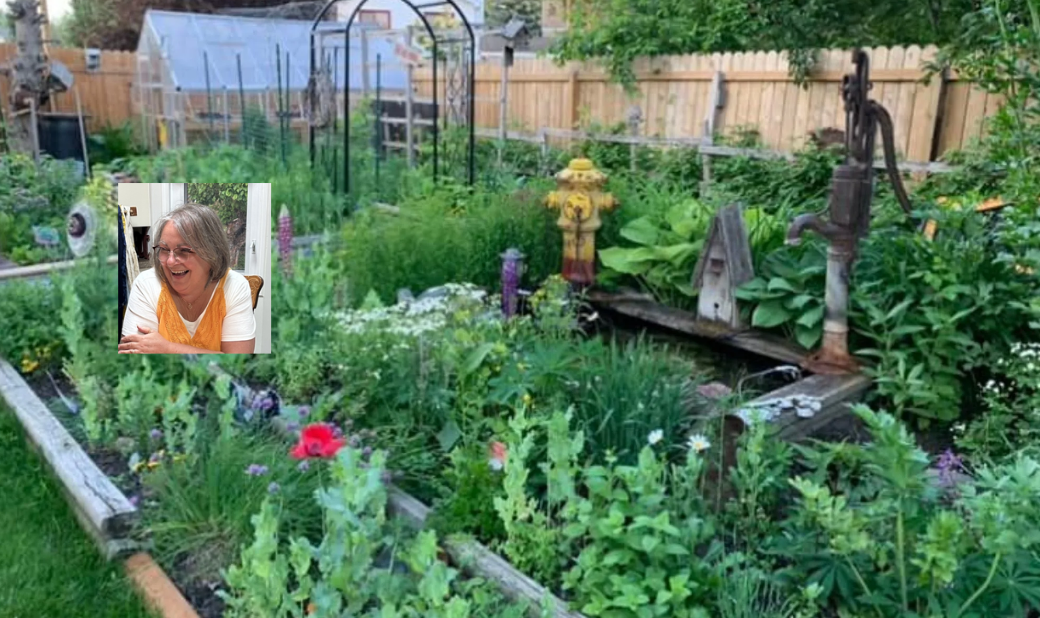
As a gardener I swore off growing cabbage over three decades before now. I had tried every organic way I read or hear about to control the infamous cabbage worms – with no success. Finding creepy worms in the cabbage we wanted to make into sauerkraut took the joy out of an entire season of growing. I’ll admit I’m squeamish, I don’t like worms – even the good kind. I don’t like bugs other than lady bugs and bees (and those only from a distance). I can’t handle slugs and snails. The list goes on. So why do I garden? Yeah, that’s sometimes a mystery even to me.
But we loved cabbage, and I kept thinking I was missing something critical. I continued searching for solutions and trying every organic trick I heard of – full of promises but never delivering. Finally one day, I gave up. I had given it my best shot, but decided it couldn’t be done without chemicals I had chosen not to use in our garden. “No more cruciferous vegetables in our garden!” It was a liberating feeling, free from disappointment, and I stuck to my guns for years. Until now … …
Thirty years later, my new friend Kim Ross convinced me to try again – using her hoop and netting system – organically. No bugs, no cabbage worms, no chemicals, . . . . hmmm. I thought I’d heard it all, but I hadn’t tried THIS. I had trusted her in the past – she steered me right in the No-Til approach to gardening. If I was ever going to believe anyone about cabbage – it was going to be her, because she had repeated success with it.

right side: view from the inside – images from Kim Ross’s garden
In 2025, I started cabbage plants by seed in March, and ordered some netting from her. Dan and I set out the plants and immediately covered them with the netting. The sun and rain came through the netting as promised, not a single fly or moth could find an opening. The cabbage grew big and beautiful. I was SOLD! I even had a couple broccoli plants in there. Equally beautiful. 100% pest free.

A whole new world opened up to me.
About five years before, I had made an exception to my rule for kale. I kept them separated, in different quadrants of the garden, prepared to dispose of any that became infested with some nameless pest. I didn’t care what the bug was – the plant would go into the garbage can in the alley the very minute I discovered the problem. My thinking was that by doing that, I’d protect any other kale plant from suffering the same fate. It worked for me the trial year, so I did it again. Kale are now a standard in my garden. I grow a few interspersed throughout the vegetable and flower gardens, always ready to sacrifice one or two as needed.

Okay I confess, I was weakening – soon, I also allowed some Asian greens to join my party: Tatsoi and Bokchoi. And we were getting along just fine, but I drew the line at cabbage, broccoli and cauliflower. Those ugly worm memories were too strong to get rid of.
I had observed other gardeners use various ‘hacks’, including covering cabbages, and I watched with interest as the seasons progressed, but too often the end was disappointing, and I felt vindicated. Until Kim Ross bragged about her specific netting that is. I finally caved. Thankfully. And now I am the proud ‘grower of cabbage’.
This is good news for me, because cruciferous vegetables are low in calories and rich in vitamins and fiber. They’re delicious and nutritious. Cabbage is known for its dense heads that come in green, red or white, (I’ve only ever grown green), and is used fresh in salads and cooked dishes like cabbage rolls. In our house its often the base of stir fried vegetables as well as vegetable soup. And it is what makes sauerkraut – SAUERKRAUT. I simply wouldn’t want to do without cabbage.
Cabbage is a cold weather vegetable – so it can be planted earlier than most others. In our area, you can usually plant them mid April – getting a full month jump on most other vegetables. I’m not going to tell you about its usual enemies – because its a subject I care nothing about. I will forever more plant my cabbages in rows under the protective netting Kim Ross advocates, and because of that, I expect to never again meet cabbage moths, flies or caterpillars in any of my cruciferous plants. I am content to be the ridiculous, finicky, easily disgusted, “city person” that you can make fun of behind my back. In my mind that’s far more preferable to worms.
Planting and Soil
WHAT
Try different types of cabbage seeds till you find your favourite. I don’t have a favourite yet. I liked what I grew last year, but I’m still gonna try others since I’m such a novice.
WHERE
Selecting the best spot: Cabbage prefers well-drained, loamy soil, rich in compost or aged manure. And it need SUN. Full sun implies a minimum of 6-8 hours daily. You can’t fake the sun so this is very important. Choose a nice sunny spot. I am told that in southern climes you can plant cabbages in more shady areas to protect them from hot unyielding sun (remember they’re a cold weather crop), but I don’t live in a southern climate and where I live, full unfiltered sun is still important for cabbages to grow.
WHEN
Start seeds indoors in late winter (February or March), for spring planting outdoors, or simply buy your plants from a garden center. No judging here.
As soon as the days start warming up enough that the ground has thawed and dried enough to work in, set your plants out.
Don’t hesitate to plant a few different varieties of cabbage – paying attention to the length of time each is expected to take. This could help you harvest consecutively for several weeks. Some will have a suggested growing at 80 days. Some more, some less.
HOW
I practise no-til gardening with a very deep layer of straw as mulch. Deep as in 6-8 inches of straw or more. Because mine is an urban garden, space is always an issue so we mow our straw to break it up a little. There are mixed reviews on this practise, some prefer to leave the long stalks, personally I find them more manageable in my smaller garden if we’ve lightly chopped them up with the lawn mower. My entire row is covered with straw – LOTS of it. In my paths I have a deep layer of wood chips, also for mulch but this mulch takes longer to break down than the straw, perfect for the pathways.
- The straw and wood chip mulches (not mixed) allow the rain to go through, while reducing evaporation. This makes best use of our water.
- It also prevents the sun from getting through to the ground which eliminates many of the weed seeds from being able to sprout and thrive.
- The straw also begins decomposing where it touches the soil, and over the course of the season – that composting of the bottom layer will add to the richness of the soil.
Mark your row and decide exactly where you want each plant. (If you’ve got more seedlings than you can use, give some away.) Space out your stakes for the hoops, in even spaces from each other. Hammer them into the ground to keep them solid.
Allow plenty of room for all the outer cabbage leaves that accompany the actual cabbage – a minimum of 12 inches on either side of the cabbage itself, more depending on the type you’re growing. Pay attention to the recommended space written on the seed package. These outer leaves take up a lotta room but they’re important. They’re busy all season gathering sun, rain and nutrients for your plants.

2nd picture is my friend Sandi hold up three magnificent from her community garden plot. No bugs,
to PLANT
Gently move the straw over and add plenty of nice, rich compost to the row. Set the small cabbage plants into the prepared ground and water well. Gently firm all the soil around the plant with your hands, and give them a nice thirst quenching drink of water.
Cabbages are heavy feeders, so make sure you add a generous amount of compost to the area reaching out at least a foot around the sealing.
When all done planting, tuck the straw around the plants, being careful NOT to allow the straw to touch them – you want air and a little space between the plant and the straw. Once the plants get strong and happy in their new neighbourhood, you can tuck the straw in closer.
Putting the netting on
Attach the rubber hose / hoops to one stake and then pull the hose to the stake directly across from it. Once all stakes with hoops are attached, take your netting and gently pull it across all stakes, going down your entire row. Be sure to leave enough fabric to fasten down both ends, as well as fasten down the sides to give it a nice snug fit – like putting a bottom sheet on your bed.
That’s it. It really is that easy. You’re good to go.
WATER
The straw mulch will restrict the need of LOTS of water being required all season long. Water generously in the beginning few weeks to help get roots established. Then water as needed throughout the rest of the season.

*Hint: whether water or rain, it will go through the netting just fine and will go through the straw mulch. As the season goes on, reduce the amount of watering you’re giving each plant. Once the cabbage head starts to form, too much moisture may cause the head to split. This doesn’t affect the taste or nutrition but it can look quite unsightly, and will affect the long term shelf life, as well as preventing you from using this particular cabbage from being cabbage rolls.
The big outer leaves gather the rain from which the plant drinks. In most cases, the rain will be sufficient IF you have a deep enough protective straw layer around your vegetables. You should rarely have to water your garden if using enough straw.
I hope you’ll give cabbage an honest try in your garden if you haven’t already, or haven’t for a long time. Prepare to be pleased.
*hint: if you EVER hear of Kim Ross speaking in your part of the world – attend. You’ll thank yourself many times over for having done so.
Warmly,
Cindy