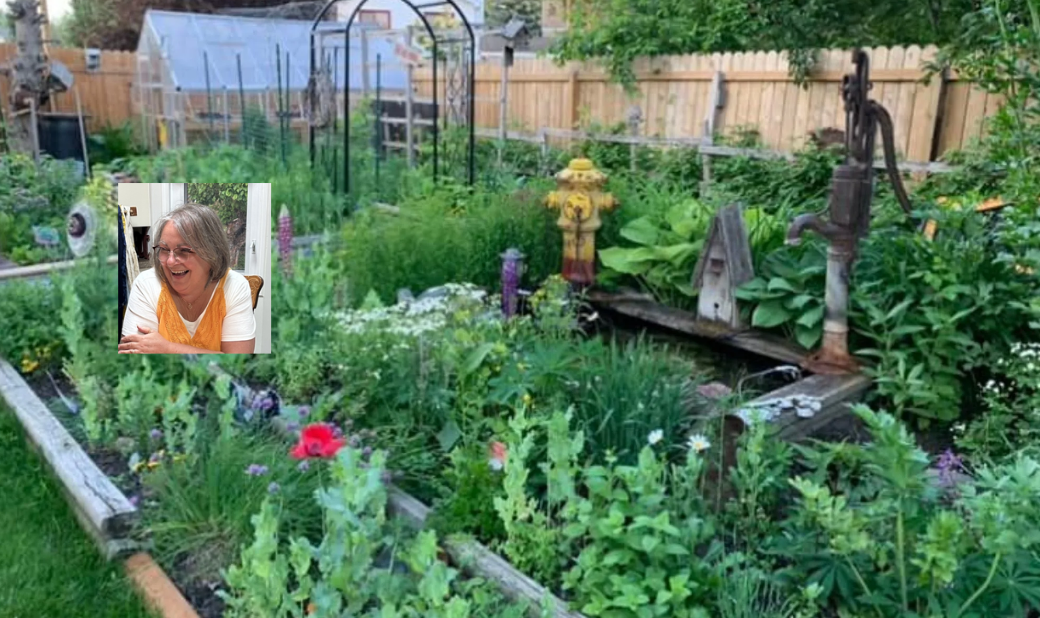
Every plant wants to go to seed; that’s what their designed to do. Plants like tomatoes, cucumbers, peppers and squash have their seeds inside. Plants like greens will bolt, forming seed heads toward the end of the season. Peas and beans (legumes) produce pods with seeds inside. Annual flowers form seed heads that are easy to gather.
Every plant has its unique way to reproduce. They are gifts from nature, and we can afford to be choosy about picking only the best.

Saving seeds is not difficult and there really is no mystery involved. There are a few basic rules to follow, but they all make perfect sense, so once you understand them – you’re off to the races. But first . . . . WHY would you want to? Well, I don’t know why you’d want to, but I know there are some reasons that compel me to want to save seeds.
7 reasons I save my own garden seeds
- SELF RELIANCE
I love that I’m not dependent on stores providing for all my needs. If COVID taught us anything it was that supply chains are fragile. I still buy seeds – don’t get me wrong, but there is something about being independent in as many areas as possible that speaks to me. Self reliance is a major factor in most decisions I make. I was raised by a dad who always had a ‘backup’, and often times he had a backup for his backup – so it’s kinda ingrained in me. I know now that I have enough seeds to plant my garden next year. That’s not to say I might choose to buy something specific next spring, but I don’t need to. - COST SAVINGS
It saves me a lotta money. It’s hard to beat ‘FREE’. - PRESERVING HEIRLOOM VARIETIES
Some plants I grow, I couldn’t buy the seed if I wanted. The only way for me to grow my Romanian Giant tomatoes for example, is if I save my own seed. And I love these particular type of tomatoes. I’ve grown them for over a decade – they’re my tomato of choice. I got my first plants from my sister Pearl-Ann, which I loved and saved the seed from. Since then I’ve shared them with countless other gardeners. (see more about HEIRLOOM SEEDS below) - GREATER CONTROL OVER CHARACTERISTICS YOU LIKE
By saving seeds, I can select good strong plants with features and traits I prefer in appearance and size, as well as colour, flavour, even resistance to disease. Over time these characteristics can become stronger, allowing me to fine tune exact traits I prefer. - ADAPTATION
Similar to control over the characteristics, seeds saved from my own garden are better adapted to the conditions of my location: the climate, the soil, even the pests. Over time, these seeds will produce plants that are more resilient to the negatives and more responsive to the positives features of my area. That means increased yield.

6. COMMUNITY
We’re not alone. Sowing Seeds that Others May Reap, and Reaping What Others Have Sown – is part of the cooperative effort that ‘community’ is all about. There are other gardeners like us collecting their own seeds, and like us, they’re likely be happy to share. You’ve probably already benefitted from someone sharing seed and you’ve probably also shared your own. A GARDEN COMMUNITY! That’s what I’m talking about, doesn’t matter whether you live near or far. I’ve shared with my next door neighbour, friends in our community garden, and cousins who live a thousand miles away.
Our local community garden recently hosted our 4th SEEDY SATURDAY. We outgrew our first year’s event in the community hall. Among other things we’ve since added, it’s still essentially a time where people bring seed to share, and hope to come home with shared seed. We look forward to it every year.
7. Personal SATISFACTION
Saving my own seed is rewarding and it helps to establish a closer connection to the food I grow and that I feed my family.
If any of my reasons for saving, sound compelling to you, then read on –
HOW TO

- STRONG AND HEALTHY
Choose only healthy plants that have all the desirable attributes you want to perpetuate. Save seeds from the strongest, best looking, and most disease resistant plants and fruit. - RIPE
Allow plants to FULLY mature. Wait for them to complete their life cycle and for the seeds to be dry. For seeds from fleshy fruits like cucumbers and tomatoes, see below. HYBRID
Be careful that the seeds you’re collecting are NOT from hybrid plants. Hybrid plants are created by deliberately cross pollinating two different varieties of a plant aiming to produce an offspring that contains the best features of both parents. These seeds are not likely to produce exactly true to form. If they’re in a package, they’ll be labelled as ‘hybrids’ so don’t forget what you planted. I keep a record of the type of seeds I planted in gardening journal. I suggest you do the same.- LABEL
You think you’re gonna remember, but you. will. NOT! Don’t trust yourself. Label with the type of seed, the date gathered or stored, and any other pertinent notes you’ll be glad to know when you plant it. DON’T count on remembering those details, you’re just setting yourself up for failure. - DRY
Lay them out: After collecting, spread seeds in a single layer on paper towels or a tray to continue drying. Don’t rush them. Being properly dried will make the difference between whether they last or not.
Use a bag for drying: For tiny seeds, place the dried seed heads in a paper bag for a week to allow them to finish drying and release the seeds.
Ensure thorough drying: Seeds must be completely dry to prevent rotting. - USING A BROWN PAPER BAG
For plants with seed heads (marigolds, poppy pods, lettuce that has bolted, sunflowers, herbs like dill), wait for seeds to dry completely on the plant, then cut them and place in a paper bag to prevent seeds from falling all over the place. Leave in the bag for a couple of weeks depending on how moist or big the seeds were at gathering.
Shake the bag to dislodge all the seeds. Remove stems and foliage. Fold the bag and label to store, or pour into another container. Label! - FLESHY FRUITS
Cucumbers – allow to over ripen on the vine – yellow. Cut open and gently scoop the seeds out. Rinse in a fine colander and shake seeds on a paper towel to dry.
Peppers, select a mature pepper and let it turn completely red, then remove seeds by hand or with a spoon. Spread onto paper towel and allow them to sit till fully dry. About a week if the weather isn’t too humid.
Squash – Zucchini or any kind of winter squash – allow to fully ripen, then cut squash open and scoop out seeds to lay on paper towel. Leave for a week or two or even more if necessary. Ensure they are totally dry.
Tomatoes – allow to over ripen on the vine (if possible). Cut open and gently scoop the seeds out. 1) Rinse well, freeing the seeds from the jelly like substance they’re suspended in, pour in a fine strainer and allow to drain. You can either spread out onto a paper towel to dry, or let them sit in the strainer till they’re completely dry. Scroll down for more details. - CLEAN
Remove chaff, husks, dry leaves or other debris. - STORE
Have your containers decided on, prepared and waiting. Prepared means cleaned well and dried. Remove all labels. Suitable containers are envelopes, paper bags for big seeds or seed heads, recycled pill bottles and/or cleaned glass jars. - IT’S ALL ABOUT BEING DRY AND DARK.
When completely dry, store seeds in a paper envelop or bag or if you’re absolutely sure they’re as dry as possible, you can store in a pill bottle (with the label removed), or a suitably sized jar. Keep in a cupboard or away from direct sunlight till next planting season.
If you have an additional fridge, go ahead and store them in it.
Heirloom Seeds
What is an Heirloom Seed?
An heirloom seed is one that comes from an open pollinated (naturally pollinated) plant that has been passed down (sometimes for generations, and typically at least 50 years) without being crossbred or otherwise altered. My Romanian Giant Tomatoes are “Heirloom” to me, but by this definition – they are not a true “heirloom”. Though I have no doubt these seeds have been passed down for over 50 years, I can only attest to the years I personally have been growing them.
Heirloom varieties produce plants with the same desirable qualities – like unique appearance, colour, flavour, texture and growing habits. When you find a plant you love, you want to protect it by propagating your own seed. Always ensure you’re saving seed from the healthiest, strongest plants that have thrived in their space.
Recap: features of an heirloom variety are that they are open pollinated and that they “breed true”, meaning that they retain the original traits from one generation to generation. To ensure that they stay “true”, to be grown for seed, that particular variety must be grown in isolation from other varieties of the same plant species.
What is meant by “open pollination”, and why should we care?
Open pollinated plants – also called “natural pollination”, are pollinated without our intervention relying completely on insects, birds and wind, and occasionally by natural “self” pollination. Their seeds produce “true to type” new plants – genetically similar to the parent. For gardeners, this is the best way to continue growing plants with unique characteristics we’ve come to prefer. This doesn’t mean there cannot be a certain degree of ‘natural’ genetic variation among heirloom plants, quite the opposite – that’s part of adaptability to local conditions, and is desirable.
Heirloom vegetables are often considered to be more nutritious than hybrid versions of the same type.
SELF POLLINATING FRUITS AND VEGETABLES
Many fruits and vegetables are self pollinating, meaning they don’t require assistance from insects or birds – like beans, peas, lettuce, peppers and tomatoes. Generally these are the best ones for beginner seed collectors, as they have true to type descendants. Tomatoes are consider self-pollinating because they have both male and female parts within the same flower, but they do require a little wind or vibrations to spread the pollen around. Though they don’t require pollinators, they may still attract them, which enhances over all plant health.
What vegetables are the easiest for beginners to collect seed from?
Focus on open pollinated plants, preferably heirloom varieties – AVOID hybrid seeds and taking seeds from unknown origin produce.
We are more likely to have successful experiences with self-pollinating vegetables and fruits like the following –
Legumes: beans and peas
Leafy Greens: lettuce, spinach
Root Vegetables: carrots, radishes and onions
Brassicas: Cabbage, broccoli and cauliflower (which is why they can produce under a netting that prohibits flying insects)
Tomatoes and Peppers
Grapes, strawberries, raspberries, gooseberries, saskatoons, rhubarb
Why choosing self pollinating plants helps gardeners and over all harvest?
We only need one plant to have a successful harvest. While not requiring pollinating insects, bees and other pollinators are still attracted to the plants for nectar and pollen – increasing overall productivity. With less reliance on external pollinators, it is possible to grow many of these fruits and vegetables in enclosed or protected areas and in urban communities.
Annual plants (meaning they grow one season only) produce mature seeds in a single growing season, and are easy to collect. Examples are legumes and flowers like dill, poppies, marigolds and nasturtiums.
Peas and beans: wait until the pods are dry and crisp, then harvest the seeds within.

Wait till the pods are tan coloured and completely dry. You’ll be able to hear the tiny black seeds inside. I bring a bowl with me to shake them into.

Annual flowers: sweet peas, poppies, bachelor buttons, marigolds: wait till seeds are dry, gather in a bowl, clean and ensure they’re completely dry before storing in paper envelopes or bags. Label what, where from and when.


Nasturtiums: wait till seeds are dry to gather.

Seeds form at the base of the flowers and start out small and green. Over time, they’ll grow in size and eventually turn pale green, then light brown or beige, signaling that they’re nearing maturity. Gently pull them off the plant. If they resist, wait a few days. By the time the seeds are ready, many may have already fallen. Go ahead and collect them, ensuring they’re not damaged or starting to rot. Mature nasturtium seeds are the size of a pea, pale green to tan in colour with a wrinkled rough texture. I bring a large plastic bowl with me while collecting seed. It allows me to see what I’ve got and to sort through them, keeping only the best. If they aren’t completely dry when I pick them, then I dry them on a tea towel for a couple of days.
Store in a paper bag or envelope, clearly labeled with what they are, when and where collected.
Chives and onions: they will bolt, save the seed
Spinach and other greens: they will ‘bolt’ (meaning it puts out a strong, tall stem and flowers to produce seeds). Allow the seeds to dry and gather.
Cucumbers: Allow fruit to ripen fully – yellow and soft texture. Cut open and remove seeds into sieve. Agitate and rinse. Spread on paper towel to dry completely.
Tomatoes: Allow the fruit to ripen fully, then scoop the seeds out.
Option #1: fermenting – scoop the seeds and gel into a jar, add some water and let sit at room temperature for 3 or 4 days. A layer of mould will form, which tells you that fermentation has broken down the seed’s protective coating. Drain-rinse-swish, drain-rinse-swish again. then pour into a fine sieve and rinse till clean. Spread out on a paper towel to dry completely. Label and place in a sealed container.
Option #2: scoop seeds and gel out into a sieve. Agitate and rinse a few times. Spread on paper towel to dry completely. Label and place in sealed container.
Peppers: Collect seeds from fully mature, ripe peppers.


Biennial plants (meaning they grow two seasons, flowering the second season), will produce mature seeds in the second growing season – also easy to collect from. Examples like feverfew, parsley and root crops like beets and carrots.
I rarely if ever collect the seed from biennial plants in my yard like feverfew. I do however, allow some flowers to go to seed, then I pinch them off and sprinkle them over the areas I want them to grow, trusting in nature to do the rest. She never lets me down. Next spring I’ll have a thousand little feverfew plants, so I can decide where I want them to grow and pull up the rest. The only reason I’d save some seed is if someone else wants it.
Collecting seed from Tomatoes – easiest thing ever!

Select the BEST specimen of the variety you want to save for next year.
If its a small tomato, simply squish it and squeeze the seeds and pulp into a small glass jar or cup. If its a bigger tomato, cut it and scoop out the pulpy part containing all the seed – into a small glass jar.
3 methods:
1. If you have few – spread the seed onto a paper towel and let them dry.
2. If you have lots – put them in a fine strainer and rinse them well to remove the pulpy parts. You can let them dry in the strainer, or spread on a paper towel to dry.
3. Ferment. Squeeze the seed and pulp into a small jar. Add water and agitate by stirring vigorously. Let sit a couple of days – mould will form on top, simply scoop it off, then strain the seed and spread out onto paper towel to dry.
I’ve done all three, but could never see the value in taking the time to ferment, when it appeared to me that the end result was the same. I’ve read compelling evidence recently however, that claims the additional step of fermenting lowers the odds of the seed carrying disease forward. That extra precaution sounds worthwhile to me. I’m converted.
Regardless of the method you decide on, the seed must be DRIED. I often just leave it on the paper towel, write the name, date and any other details on it, then roll it up and store in a jar or a paper envelop.
Keep in mind that he is in zone 5b in Colorado, but collecting the seed is pretty standard.
If you’re new to saving seed, I really hope you’ll pick a few easy ones to save this year. It’s a rewarding task. If you’re already a serious seed collector, then try one fruit or vegetable you’ve never saved before. Share some of your favourites with a friend. I’d love to hear about your experiences. Please comment below.
Enjoy!
Warmly,
Cindy Suelzle


