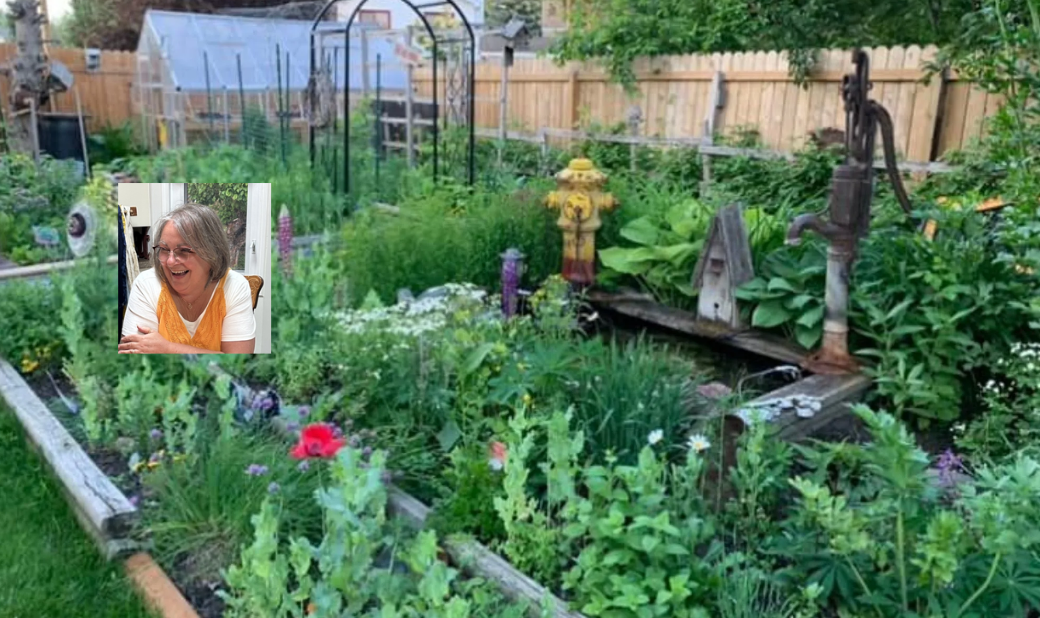
Common Herbs in your House and Yard: part 1 Aloe Vera – Cranberry (highbush)

Part 1 – A,B,C

in this chapter: Aloe Vera, Basil, Borage, Calendula, Carrot tops, Chamomile, Wild Chamomile (Pinapple weed), Chickweed, Chives, Cinnamon, Cloves, Comfrey, Cornsilk, Cranberry (Highbush). Some inside, some outside. Chapter continues to be a work in progress. I’d love to read your comments below.

ALOE VERA

For all my parenting years I’ve had an aloe vera standing close by for those owies that happen daily. From the minor burns and scrapes of childhood, to the bigger wounds that need stitches and painful sunburns, it has never let me down. We’ve been partners through it all.

Easy to grow indoors in direct sun, it doesn’t need much water (especially in the winter time), and if you’re going to kill an aloe vera, its probably going to be from over watering. When the sun gets higher and warmer though, starting mid March, you’ll be surprised – it will start asking for more water. Readily available to buy from many nurseries, but once you’ve got a good healthy plant started, it will have babies and you’ll soon be giving them to your friends.

Highly beneficial for healing skin burns and wounds. Many use it for healing wound INSIDE too, like stomach ulcers. In its natural form, it tastes yucky, however, aloe vera gel contains many vitamins and an array of essential minerals. It also contains 20 amino acids, including 7 out of the essential 8. There is some question about side effects when used internally though. The aloe plant’s gel, which is in the largest, innermost layer of each leaf, is considered safe and the beneficial part of the plant to consume, while its skin and the yellow layer directly under it, called latex, is considered unsafe. There are many studies that suggest it is unsafe for pregnant and nursing moms as well as young children, as well as studies that indicate the juice – which used to be crazy popular for stomach ulcers, has been linked to kidney problems and liver injury.  So its kind of an enigma to me.  For now, I choose to avoid eating or drinking it, at least until more evidence compels me to take another look.

To use it externally, simply cut off a portion of a nice full leaf, slice open and gently rub the gelatinous inside on the wound. The plant will soon heal itself, and you can cut from the same leaf another time. We’ve used aloe in our home for years, for household burns to sunburns, from scrapes to serious cuts, from bites to blisters, and a gentle facial astringent.

using:

* My four year old son attempted to remove a loaf of bread from the over with pot holders. They slipped, he touched the pan with his bare hand. Ouch. Ice-cold water, tylenol and cuddles for the rest of the day and a fitful night. Throughout that time when the pain would subside a little, I would slather aloe vera on the burn, and leave it to dry until the pain made us put his hand back into the cold water. By the next morning, no pain, no blister, not even any reddening on the skin. Aloe vera for the WIN. Our first serious experience.
* My husband took a hockey puck to the face. It hit him on the bridge of his nose, broke his glasses, and peeled a large piece of his skin away. Also gave him a big headache. He should have had stitches, but his headache won for the moment and he laid down with some tylenol. I laid an open piece of aloe vera gently over the bridge of his nose on this wound. By the time he woke up from a short nap, the wound had fused enough that stitches were of no value. If we had to do it over again we would have gotten the stitches first before we used the aloe vera, to prevent an unsightly. Who knew it would heal so quickly? The downside was a scar that wasn’t necessary. The upside was a lesson well learned, and scars fade.
* Sunburns soothed by rubbing the gel over the ouchy parts.
* Minor cuts and burns that are part of raising children and running households, all made easier.
* I often use the soothing gel of aloe vera to rub over my face in the morning and at bedtime. All the nutrition can be absorbed through the skin and it feels great. The perfect home skin treatment.

I HIGHLY RECOMMEND having an aloe plant in every home for its first aid and skin benefits. I use it for facial moisturizer, and definitely for cuts, scrapes, burns (including sun burns), bites and any other skin issue.

 BASIL – culinary

Would summer really be summer without the wonderful sweet and spicy tang of fresh of basil? Its a redundant question because I hope I never have to find out. There are many different kinds and flavours of basil but my favourite and my default is still the basic common ‘sweet basil’.

growing

Basil is a tender annual that is kind of persnickety about a lot of things. It wants full sun, no negotiating on this. And it wants it HOT. It wants plenty of water but doesn’t like to be wet. See? I am not normally that patient with something this picky, not with people and not with plants. But basil has me wrapped around its tender branches. It isn’t possible to have too much basil in my opinion. That’s what pesto is for.

It doesn’t like to be transplanted so be gentle. Very gentle. I find that when its in my garden, it doesn’t do as well, so I keep it closer to me on the patio in a pot, so I can talk to it and make sure it gets enough to drink. It absolutely cannot tolerate a frost or even a chill, so don’t even think about taking it outside till all that is in the distant past. And it being in a pot makes it easy to bring inside on iffy late summer or early fall nights.

Its easy to start by seed. You can plant some indoors about 6 weeks before transitioning outside. I’ve even had good luck planting seeds straight into my planter outside in the middle of May. They germinate in a week or less and are quick to grow when they get sufficient sun. Because they are so persnickety about being transplanted, sometimes I just plant by seed right into the pot outside. If I do transplant, I take the whole mass and gently place them together.

a sprinkling of seed in a pot is easy to grow

Basil is a valuable companion in any garden. Planted nearby, basil helps tomatoes with both insects and disease, and improves growth and flavour.  Staking your tomatoes and pruning the lower leaves frees up space to plant basil, chives, nasturtiums and other helpful ‘tomato fans’ in the front row.

harvesting and using

Start picking leaves when the plant gets about 6 inches tall. Th biggest ones of course. To keep the plant bushy, pinch off the top flower wannabees every week or so. (eat them right then and there.) Your plant will respond by producing more leaves and becoming fuller. Like most herbs, its best to pick in the morning before the heat of the day when the leaves are at their juiciest. Use basil FRESH for everything wonderful all summer long. Chop coarsely, snip with scissors or leave whole leaf. Use in salads, sandwiches, soups, sauces, bruschetta, on pizza, …. you name it. Even if you don’t need any, pinch off the top leaves anyway, to keep the plants bushy. If you have some you can’t use right away, dehydrate it, or make fresh pesto.

Pesto: using basil, garlic and parsley

oh. my. goodness. Pesto. Pesto on pasta, pesto in soup, pesto on meat, pesto on scrambled eggs or omelette, pesto on pizza, pesto with mayo on a sandwich, pesto in salad dressing  …. everything is better with pesto on it. I wait all year long for the basil to be ready and plentiful enough to make pesto. Then I freeze leftovers in ice cube trays. Once frozen, put them into plastic container or bag and back into the freezer for quick use. I just throw it into the sauce frozen and cook it into your dish. Pesto is always made to taste, based on the ingredients at hand. So adjust the ingredients to your taste.  It is amazingly aromatic, so a little goes a long way.

Basil Pesto
Basic pesto is made with basil, olive oil, nuts, and Parmesan cheese. Usually pine nuts, but I always use almonds or walnuts instead. I often add parsley and or oregano too. And sometimes I might take the time to toast the almonds. I use all these amounts as a guideline, adjusting to how much basil (or combination of assorted green herbs) I have to work with.

4 cups packed fresh basil leaves
3-4 cloves garlic
1/2 teaspoon freshly ground pepper + 1/2 teaspoon salt
1/2 cup almonds
3/4 cup olive oil, to start with (you will probably end up using another 1/2 cup)
*optional: other greens to add to supplement the basil if you don’t have enough: parsley, oregano, radish greens, nasturtium leaves)
3/4 cup grated parmesan cheese
*optional: 2-4 tablespoons of lemon juice will help keep the brilliant green colour of the basil, and gives the pesto a nice splash of lemon flavour.
*optional: substitute walnuts in place of almonds, (if you like walnuts)

Combine basil and garlic in blender slowly drizzle olive oil in while you blend till smooth. For sure you’re going to need to take breaks to push the basil down toward the blades, and to scrape off the inside of the jar. Add the nuts and salt and pepper. You can add lemon juice at this stage or toward the end.
Taste test for salt and pepper. Add a little more if needed (better too little than too much). Be flexible, adding a little more oil as needed to keep it smooth. Don’t skimp on the oil – its a very important part. When the pesto is done, it is nicely smooth. Pour into a bigger bowl and stir the parmesan cheese in with a spoon. If you haven’t added the lemon juice yet, now would be a good time.

Spoon into a small jar to refrigerate. Cover the top with a little olive oil. Don’t store longer than a week. I generally make a batch big enough to freeze several small bottles. Spoon pesto into several small plastic or glass containers. Pat down with the back of a spoon and cover with olive oil, leaving 1/2 inch of head space. Seal with airtight lid, label with name and date. Freeze in an area of your freezer that will be easy to access. Yes I use small glass jars. Leaving a good headspace allows for expansion once it freezes. I stack them gently in a freezer basket, being careful never to jostle them and bang them together. In about 15 years of doing this, I’ve never had one break.

I keep a small container of pesto in the fridge at all times. When I empty one, I just go get another from the freezer, so I always have one thawed and ready if I decide I need some. I find that once its been frozen, it seems to last longer in the fridge. I’ve never had one go bad. I sometimes mix a couple tablespoons of pesto into an equal amount of mayonnaise and use that as a spread for toasted tomato sandwiches, or instead of butter on a grilled cheese sandwich.

* warning: this stains badly! Do NOT get it on your clothes. I don’t wear an apron often enough. But I always wear one when making pesto.
** hint: only use GREEN basil to make pesto. This year I mixed some purple basil in with the green. Oops – not a good resulting colour. Even lemon juice isn’t gonna help that combination.

BORAGE

– hardy, self seeds.  This wonderful and very unique plant is an annual that self seeds. It is covered with stiff coarse hairs that make it prickly to the touch. The stem is erect with oval leaves that are rough and wrinkled and it grows up to 2 feet. It flowers all of July and August, in sparse clusters that are first purple, then blue. The flowers produce a lot of nectar which makes them very attractive to bees. It is for this reason that they have an honoured place in my garden.

Borage usually produces four seeds from each flower, which is the source of borage oil – very beneficial to use medicinally. The leaves and flowers are edible and nutritious. The plant itself has a nice light ‘cucumbery’ taste when fresh.  Because of the prickly texture I chop the leaf and use sparingly in a salad, but its worth it.  Also, lightly steaming it takes away the prickles so its a good green to serve for dinner.   

CALENDULA (Pot Marigold)

Calendula are hardy, self seeding beautifully vibrant flowers. When you pick them, always ensure some blossoms get left to go to seed. Freely scatter the seed throughout your garden. This is especially wonderful for us, since calendula is native to the Mediterranean area. It’s name means “the one who follows the sun”, and ancient Greek mythology is full of stories about it. I received my first seeds from a friendly neighbour many years ago, and they’ve been a welcome happy guest in my garden ever since.
 
The flower petals are edible, as are all marigolds.  Nice light peppery taste, add to salads.

Its unique composition of acids, mucilage, resins, and flavonoids, make this plant the ideal base for antiseptic, anti-inflammatory, and healing treatments, so it is most commonly used in skin care products. It’s anti inflammatory properties also make it valuable taken internally as an infusion-tea. Fresh or dried flower petals (about 2 T dried, a little more fresh) in a cup with boiling water poured over top. Leave to infuse for 10 minutes covered. Recommended to take two or three cups a day between meals.

CARROT TOPS

For most of our lives we’ve thrown carrots tops away and have eaten the roots. The tops have more vitamin C and A than their roots! How’s that for irony?

I know right? Open your mind; carrot tops are wonderful. From carrots you grow yourself, or organic carrots you buy from the Farmer’s Market, don’t ever throw the tops away again. Right from the time they’re little and you’re thinning them out, till the season is over and you’re growing some more in your window from the ends of fresh carrots, they are readily available, refreshing, super nutritious and delicious! And the flavour matures from a tender sweet taste in the early summer while you’re thinning to a more robust flavour at the end of summer.

WHY would you?

carrot tops are sweet and delicious in the early spring

The leafy, dark green, ferny tops of carrots are extremely nutritious! They are obviously rich in natural chlorophyll which is a super antioxidant. Also a great source of fibre, and a rich source of magnesium and calcium, making them important for healthy bones and muscles. (Magnesium aids our bodies in absorbing calcium.) Rich in vitamins A, C, K, and potassium; many reports claim the tops have much more Vitamin C than the actual root that we love so much.

At the beginning of the summer when you’re thinning your carrots out, do NOT throw those greens away. Save them, swish them in water to remove the small amount of dirt that you pick up, and lightly chop them to add to a coleslaw, tabouli, or even just sprinkle over top of a garden salad. They are surprisingly sweet.

When you harvest your beautiful carrots at the end of the season, your tops are a lot more mature, but do not underestimate their value. For some of these dishes, you might want to remove the more fibrous stalks between root and leaves, but for others it doesn’t matter. The flavour of mature greens is a little stronger, leaning toward a bitter taste – perfect for things like ‘pesto’ and ‘gremolata’. Both of these condiments originally use basil, but they lend themselves beautifully to other flavours like parsley, tarragon and yes, even carrot tops.

using:

Use in vegetable stalk, saute into stir fries, use as a main ingredient in a pesto, in a green smoothie. If you have a favourite pesto recipe go ahead and use it, replacing the basil with chopped carrot tops in part of full. If you don’t have your own, try mine below.

pesto

Hint: hint: its difficult to use precise measurements when you’re making something straight from the garden, so be adventurous and flexible, and be prepared to adjust at the end when you do a taste test.

Carrot Top Pesto
4 cups carrot tops, coarsley chopped (removing any big fibrous stalks). Or use 1/2 carrot top, 1/2 basil, or any combination with parsley. Your choice.
3-4 cloves of garlic, peeled
juice from 1 lemon
1/3 cup olive oil. You’ll probably use more, but start with this amount.
1/2 cup nuts: your choice of almonds, hazel nuts, pecans, walnuts, pine nuts or even pumpkin seeds
pinch or two of your favourite salt
ground pepper
1/4-1/3 cup shredded parmesan or asiago cheese. Start with the lesser amount and go from there according to taste.

Puree greens, garlic, lemon juice and olive oil in the blender or food processor. Stop and scrape as needed. Add salt and pepper and nuts and puree again. Adjust oil amount if desire and puree again. Add smaller amount of cheese and puree again. Add more or not, as you desire.
What to do with pesto? Toss into pasta, drizzle over roasted potatoes, cook chicken in it or spoon over chicken breast on the barbeque. Mix with mayo to use as a sandwich spread. Add to cream cheese and mayo for veggie dip or spread. Add vinegar and oil to make into a salad dressing.

an Italian herb condiment classically made from parsley, lemon zest and finely chopped garlic

Gremolata
I have recently discovered gremolata and ….. oh my, added to my list of favourite summer flavours. The perfect way to add a flavour punch to any meal including soup, salad, sandwiches, pasta and even meat.
1/2 cup coarsley chopped carrot tops (stalks removed)
1 (or 2) peeled clove of garlic, minced
zest of 1 lemon (that’s right, not the juice)
Chop carrot greens on a board, add minced clove of garlic and chop into it. Add zest of one large lemon and chop into the mixture. Spoon into small serving bowl.

What to do with Gremolata? Toss over top of pasta, into tabouli or couscous, drizzled over roasted potatoes or any cooked meat, spoon some on top of a bowl of beef stew, and serve with meatballs. Gremolata adds a fresh vibrance to any dish, and instantly makes it SUMMER!

Green Smoothie using Carrot tops
Lightly chop greens, discarding the coarse stalks. Put into blender.
Add one or two green apples, lemon juice, ripe banana and cold water.
Puree in blender.

Carrot Ravioli served with Carrot Top Pesto
slice carrot pieces, toss with olive oil and salt. Roast in 375 degree oven for 15 minutes.
While that is cooking, saute chopped onion in butter; add crushed garlic and cardamon till onions are tender.
Spoon onion mixture and roasted carrots into blender and puree. Add 1/4 – 1/3 cup shredded parmesan and blend again. Spoon by a teaspoon onto wonton squares, moisten edges and seal. Gently boil till they float, then remove from water. Drizzle pesto over top.

The sky is the limit when using this versatile and flavourful garden green. Be open minded and flexible, and it will change your life.

growing more in the house

At the end of the season, you can still have FRESH carrot greens for months to come. Cut the blunt end of the carrot to about 1/2 inch. Set in a saucer of water for a few days till new green starts to develop from the top, and delicate white roots shoot out from the sides. Gently set into prepared soil, water to moisten and set in a sunny window. You’ll be eating fresh carrot greens till Christmas. Eventually the plant will flower in it desperate attempt to propagate seeds. That’s okay. Let it. A pretty, white lacey flower will soon produce seeds.

CHAMOMILE

Native to Alberta, chamomile is known for its soothing-to-the-tummy reputation, with a calming quality. It is the common name for several daisy-like plants of the Asteraceae family. Two of the most common in our area (Alberta) are used to make herbal ‘infusions‘, or herbal ‘teas’. A nice mild hot drink, and refreshing as a chilled “Iced Tea” version.

What is the difference between ‘tea’ and herbal tea?

Now would be a good time to talk about ‘tea‘. I was surprised recently to learn that many of my tea drinking friends did not know the difference between the ‘tea’ that they drink, and the herbal so-called-tea that I drink. It is night and day. The question arose as we visited over a cup of tea. They knew that I didn’t drink tea, but I had no problem drinking certain herbal teas after I checked the ingredients. They assumed I edited my rules according to preference, but what I was looking for in the ingredient list was the absence of the word ‘tea’. Why? For one thing, TEA comes from a plant called – TEA.
Black tea, white tea and green tea all come from the same shrub called Camellia sinensis. In all cases harvesters pluck the uppermost buds and leaves from the plant. So what’s the difference? It comes down to the harvesting and processing of it. White tea is picked in the spring and has a short harvest time. For green tea, leaves are harvested, withered, and then heated through steaming or pan-firing to halt oxidation so the leaves retain their colour and delicate flavour. To produce black tea, leaves are harvested and withered and then crushed, torn, curled, or rolled and allowed to oxidize (which triggers fermentation) before being dried. As a result the leaves darken and develop a stronger flavour and aroma. Traditionally, we drink tea by steeping it in hot water, so the word ‘tea’ has come to be synonymous with the process of preparing the hot drink, not just what is actually IN the cup. Iced tea is simply a cold version of brewed tea.

So though we call infusions made from herbs and flowers ‘tea’, we are actually referring to the steeping/brewing process, not necessarily the contents. It is a common error, among tea drinkers and non tea drinkers to assume that ‘tea’ is ‘tea’. And it would be, IF it actually contained ‘tea’. Being one who chooses to abstain from ‘tea’, as well as coffee means that I am avoiding the plant from which it comes from. So technically, my herbal cuppa choice, if it doesn’t contain white, black or green tea, isn’t ‘tea’ at all. It is an infusion. But who has a cuppa infusion?

growing

Three types of ‘chamomile’ grow well in our area (Alberta). Though they both have similar names, they are quite different.
Roman chamomile is a low growing (3-6 inches tall) perennial and can take over your garden if you aren’t careful. If you plant it, be sure to select a permanent spot for it.
German chamomile is an annual plant that reaches around 2 feet in height. It is probably the one you’re most used to seeing and the one pictured here, and though it is an annual plant, it is an aggressive self-seeder, so it will likely return year after year. Tricky.
Wild chamomile is sometimes referred to as Pineapple Plant or Pineappleweed, is an annual ‘weed’ that commonly grows in inhospitable areas like gravel driveways, cracks in sidewalks, road sides and of course in fields – any place where it gets plenty of sun and heat.

Wild Chamomile or Pineappleweed

Pineapple weed gets its nickname from its appearance and scent. The shape of the blossom is reminiscent of a pineapple, and when you pinch one of the flowers you will smell the sweet, light sent of pineapple. Like the other chamomiles, it has medicinal qualities. It is a sedative herb that relaxes the digestive system and settles the stomach (including motion sickness). Also good for calming nerves, and as a mild relaxant to help you sleep. Because of its soothing properties it is used to help reduce stress and anxiety. A few drops of pineappleweed tincture will help with baby’s colic.

growing

Its hard to say how to grow a ‘weed’ because just the nature of a weed means it grows wherever it darn well feels like it. Usually the problem is it to stop growing where you don’t want it. But I find that to be true only until you find a useful purpose for it. Afterward it suddenly gets particular about its growing environ. Wild chamomile grows in cracks and seams and gravel, but in my garden it grows in a protected area, where weeds can be safe. Theoretically anyway. You’d be amazed how many people just want to bend over and pluck a ‘weed’, prompted by their inner good Samaritan to rid the world of these nuisances. It is a constant battle trying to ensure them that all is in control and that the world will not go to heck if we let these particular weeds find joy in their existence.

back to Chamomile proper

Chamomile seeds (non pineappleweed) could be started indoors 6-8 weeks ahead of time.  You need to be patient they take forever to germinate. 14-21 days. Just when you think something went wrong, presto – the sprouts appear. I grew some from seed a few years ago and then transplanted it and babied it but I ended up losing it. Pretty disheartening when you can’t even grow a stupid WEED. So I simply took advantage of a prolific patch that grows behind a neighbour’s house (as a weed). Don’t worry, I asked. I think it would be super easy to take some seed from the daisy like blossoms after they ripen and sprinkle them into my garden, but I am pretty sure I don’t want to have them volunteer indiscriminately.

One year I came across a German Chamomile plant in a nursery. First time ever! I planted it into the ‘protected zone’ portion of my garden, and babied it all summer. Still babying it. I am confident that once it gets started we’ll be best of friends.

Unlike the other two chamomiles we’re talking about here, pineapple weed does not have white flower petals. The flower is simply the small green nodule at the end of the stem that smells like a pineapple when pinched.

harvesting and using

Pick it to use fresh, or to dry for winter use. Of the other two chamomiles you can use the flowers and leaves, and even the stems, but I only pick the flowers because they’re so plentiful I don’t need anymore than that. But for the pineappleweed, because its so small and I usually don’t have a lot to pick from, I pick the blossoms and leaves, and if the plant is young and tender, I pick the stems too. Swish the plant around in water or gently spray the blossoms with water, and then flick off excess moisture.

A warm cup of ‘tea’ made with the leaves, flowers and stems will calm nerves, and sooth an upset tummy. I know that one can make tinctures but I never have. Personally, I’ve not felt compelled to set up my own apothecary, especially now that my kids are all gone. A simple cuppa tea works for me.

To make an infusion / cuppa tea, take a large handful and steep in tea pot with boiling hot water for 10 20 minutes. Easier to keep hot if you gently simmer in a small pot on very low heat. Strain as for any tea, and drink with a touch of honey or a dash of stevia to sweeten if desired. Adding a pinch of mint leaves gives it a nice flavour. Brew lots and chill it for a nice refreshing iced tea later.

As with many – perhaps most non-culinary herbs, not recommended during pregnancy until the very end. Chamomile is believed to initiate uterine contractions.

CHICKWEED

COMMON GARDEN CHICKWEED is a tender plant, branching out from a central root. The small leaves are bright green and sometimes referred to as ‘mouse ears’. The flowers are tiny, white and star like. Although its an annual, chickweed self seeds and so if you’re lucky, you can inadvertently bring in some seed with garden soil if you bring any plants into the house for winter. Common in most gardens, especially in damp partly shady areas.

Hated by many gardeners, chickweed can be transformed from a pest to a deliciously tender ‘vegetable’ by anyone with an open mind. Hardy, self seeds, highly recommended.  With a delicate flavour, chickweed is a nutritional power house: calcium, essential fatty acid, iron, magnesium, manganese, phosphorus, potassium, selenium, silicon, sulfur, zinc, vitamins B1 B2 B3, C and E.  

Yes, I know its a weed.  But try to be open minded.  Just because it is a common self seeding plant, its called a weed, but that word is not a swear word.  Some of my best friends are weeds.  And many are very useful. 

Chickweed is super easy to eat right on the spot while you’re working in the garden.  Be careful not to pull it up by the root as you don’t want to kill it.  I know, that is contrary to what you’re naturally inclined to want to do with ‘weeds’, but once you understand and experience the value of chickweed, it will be a valuable and protected plant in your garden.  Coarsely chop to add to a salad, throw into a smoothie or steam with other greens. There is no shortage of ways you can incorporate chickweed into your daily summer diet, and you will feel better for it. I promise.

There is a type of chickweed that is native to Alberta. Called LONG STALK or LONG LEAF CHICKWEED. You can read more about it in my blog article about weeds.

CHIVES

– hardy, self seeds and comes back from roots.  Delicate onion flavour.  Mostly culinary.  There are a few reasons that this pretty plant is a must in every garden, even for those who don’t intend to grow herbs.  First of all, its pink-purple flowers attract bees.  Very important for the rest of your garden.  It is a good companion plant with tomatoes and even strawberries.  I have a row of small chives along my tomato patch and a couple of bigger chive plants in my strawberry patch. 

Another reason I think every garden should have chives, is that they’re one of the first plants up in the spring.  They are the promise of what is yet to come.  When everything else is brown and ugly and you have to exercise faith and old pictures to remind yourself that in one month your garden is going to be lush and green, you have cheery green sprigs of chives poking through the soil promising that all is well, and the world is back on track. 

And then of course they are just SO EASY to use.  You can’t do wrong by chives; you can feel like a failure at everything else in your life, and chives will make you look like a master gardener and will never let you down in the kitchen.  Just before dinner go out and cut off a handful of chives to add a light oniony flavour to every meal.  Sandwiches, salads, sauces, casseroles, pasta, as a topping for potatoes and other vegetables.  You name it, chives is your go to.  I rarely use ‘onion’ in the summer because of the ready availability of chives. 
When your chives come into flower (they will blossom the rest of the summer), pull out or cut off the blossom stems. This keeps your plant fresh and green and prevents it from going to seed – which is the whole purpose of the flowers.  Even if you are vigilant about removing the flowers, they will beat you.  In an established plant there are simply too many to keep up with.  Good thing they’re so versatile.  These pretty little flowers are a constant summer bouquet on my kitchen table; but they’re edible too.  Break the flower heads apart and sprinkle them over a nice light green summer salad.  If they’ve gone to seed, use those tiny black seeds for a peppery addition to your vinegarette dressing.  And use them to make a Sun Vinegar.

Sun Vinegar: When your chives are flowering with lots of flowers and buds, pick the flower heads.  Wash and shake them out to remove dust and possible insects.  Fill clean glass bottles half full of the flowers, then pour whilte distilled vinegar to the top of the bottle.  Cap, and leave to sit in the sun for about two weeks.  When the vinegar has turned colour – a nice light pink, and your flowers have lost their colour, your chive-vinegar is ready.  Strain the vinegar and discard old blossoms into your compost bin.  Rebottle and add new blossoms for garnish with a few chive stems.  Store the finished vinegar out of the sunlight to retain the delicate pink colour.  The mild onion taste is a wonderful addition to garden salads and steamed vegetables all year round.

COMFREY

This hardy perennial is in the same family as Borage, prickly leaves and all, but it grows much bigger! It grows well in sun or partial shade, and I know from experience it does just fine in total shade. Because it is so hardy, I planted mine in the most inhospitable sun spot in my yard. Sorry Comfrey, wicked payment I know for being so easy to get along with. At the end of the growing season, it dies right back for the winter, but is up bright and early first thing in the spring. A healthy comfrey plant in ideal conditions grows a good 2-3 feet across and up to 5 feet high and because it is a relatively fast grower, it can be cut down more than once during a season.

growing

The thing you want to remember is that comfrey has a very deep tap root, so it is difficult to get rid of if you change your mind of where you want it. The key word is “permanence‘, so think hard, think down the road and be very intentional when you plant it, because it is gonna stay there! This tap root makes it drought tolerant, so once its made itself at home, it will pretty much take care of itself. Super easy to propagate too. When you’re ready to plant more, dig the mother plant out and break the root into 3-4 inch pieces. Create a hole in the ground and drop it in. That’s it! I know right? It’s almost embarrassing its so easy. Your original mother plant will come back strong and healthy because any piece that gets left in the ground will grow into a new plant. So moving it can be a real headache, as even one broken piece left in the soil will start a new plant.

Apparently there are many types of comfrey, some of which will self seed, some of which the seed is sterile. I have no idea what the name of my comfrey type is, but after it being in one spot for over 20 years, I know it doesn’t self seed. Whew! Although the root gets denser (and therefore more permanent), it doesn’t trail out either, so at least it stays in one spot. For a plant as strong and powerful as Comfrey, I need it to be well behaved and respectful, or we simply won’t get along in the garden. Its all about manners. So if you’re buying your comfrey starts or getting root pieces from a friend, make sure you ask about its manners.

using

Comfrey is a unique plant with a unique and special use. Its deep taproot draws nutrients from deep in the soil, so it is a great source of garden nutrients for other plants. How do you get those nutrients from the deep to the other plants? I cut it back and throw it on the lawn while Dan is mowing, then he chops it up with the mower. I take the mulch and either distribute around existing plants that like extra potassium tomatoes, or deposit it straight into the compost as the wonderful compost booster it is. It grows so quickly that you can get a second harvest from it in late summer. For the first year, let it get established. Once the leaves have died back in the cold of the fall you can gather them, but I wouldn’t cut them down from an infant plant. Next spring, let it grow and then chop it down just above ground level mid season, then you’ll get the end of the year harvest too. I like the mid season harvest because that’s when my tomatoes need mulching. At the end of the year, I add directly into the gardens I’m putting to bed, or to my compost.

Comfrey was used traditionally for centuries as a medicine, but new evidence warns against taking it internally as it can cause problems with the liver and other organs. Its strength is healing wounds and other topical skin treatments, for non serious skin injuries.

My very first experience using Comfrey was in a poultice for my teenage daughter who had fallen off her bike and had bad abrasions covering one leg and hip. Sadly, I didn’t know how to apply a poultice and the experience was not a good one. For either of us. I caused my daughter more discomfort than necessary, and it took my confidence away for awhile. *Hint: learn how to apply a poultice . . . duh . . . . In my defense, it is a lot easier to learn things like this with the internet than it was in the days without the internet – which was when I was experimenting. Use a shield between the poultice material and the skin. Sheesh. It seems like such a no brainer now.
– method 1: chop up washed leaves and pulse them into a paste in the blender with only as much water as needed. LAY A CLEAN THIN CLOTH against the skin, or lay the comfrey against a clean thin cloth. I have an old sheet washed, ripped into squares, folded and stored in a ziplock bag in my bathroom first aid drawer for just such a purpose. The comfrey paste should not be applied directly onto the abrasion because (duh) when it dries, how are you gonna remove it? The cloth also keeps the moisture from leaking everywhere.
– method 2: mash up an actual leaf, either by hand, a clean stone, the pestle of a mortar and pestle set, or even the back of a spoon or dull knife. This releases the juices which contains an ingredient called ALLANTOIN, as well as other helpful biochemicals.
This method is quicker and easier, so helpful when perhaps your situation demands on-the-spot aid. If you cut yourself, grab a comfrey leaf and rub it against itself to knock off the prickly hairs. Mash it up between your hands to make a poultice and gently lay across the cut. Wrap another other leaf or clean cloth around the wound to secure. The leaf will help stop the bleeding, and begin the healing process.

Allantoin has hydrating properties, increasing the water content of the skin which promotes healing. Because it is a skin protector and stimulates new cell growth, it is soothing to dry, chapped or inflamed skin, burns, rashes, bedsores, cuts, scrapes and abrasions (like road rash), making comfrey an excellent ingredient in healing salves and soaps. Combined with other herbs especially, comfrey can be an effective tool.

Simple salve:
infuse olive oil with fresh, cleaned and chopped flowers of calendula, comfrey and yarrow, and chopped leaves of plantain and comfrey in a clean glass jar. Consider adding lemon balm, other mints, chamomile flowers or lavender flowers – what do you have available? Cover and leave in direct sunlight for three weeks. Strain out plant material with a clean thin white cloth, and stir in some melted beeswax, small amounts at a time to add just enough to solidify the salve to a creamy consistency. Pour into small clean tins. Has a reasonable shelf life but don’t expect it to last as long as store bought creams or salves.

a good neighbour in your garden

I hope you have a spot in mind to grow a few comfrey plants, in a spot where they won’t shade others, maybe on the edge of a garden on edge of your yard. It is such a valuable plant to have to use as weed suppressing, fertilizing much for fruit trees, and other garden plants – especially tomatoes. It has earned an honoured spot in my garden. At this moment we are in a little bit of a backyard transition, so I am waiting to have things permanently figured out before I plant 4 or 5 new comfrey plants in a spot I’ve already got picked out for them. The spot gets more sun than the mother plant gets now, so my expectations are high. If all goes well, I should be able to take root cuttings first thing next sun before it gets too into the growing season. Comfrey has a life expectancy of about 20 years and will start to decline after that, so I want to make sure I propagate more before that happens. Next spring is my target.

CORNSILK

I know right? Who knew. But it actually makes a nice tasting ‘tea’, and is used as a diuretic. The actual silk on the corn cob underneath the husk. Just peel it off and keep it in a clean spot. When all together, lay out to dry on a clean white tea towel on the table or counter, for about a week, turning over every day or so to ensure even drying. When completely dry, store in a clean glass jar covered in a cupboard. Use as an infusion in a tea pot with boiling water. Drink hot or chill in the fridge for the next day.

HIGHBUSH CRANBERRY

high bush cranberries can be picked while frozen in the middle of winter

Not the traditional cranberry you’re used to finding in the grocery stores, the High Bush Cranberry isn’t really even a true cranberry at all. Native to North America, it is also known as ‘squash berry’, ‘loose berry’, and ‘pembina berry’. It grows about 9 feet high (3 metres) and 6 feet across (2 metres). The berries grow in beautiful clusters, white in the summer and red when ripe. Interestingly, they can be picked late summer when they’re red, early fall, or even all winter long while they’re frozen on the tree. How cool is that? I had been told years ago that they were better picked after the first frost. Something about being sweeter, but this year we still haven’t even had a frost and its into October already, so we went ahead and picked them. Quite frankly, I can’t say that I noticed a difference in flavour.

growing and harvest

Apparently freezing affects the natural pectin, so if you want to make jelly, best to pick before freezing. I love fruit bearing plants that are native to the north, and I am determined to make the best of them – since we’re relatively limited in selection. We had two high bush cranberries planted in the yard our kids grew up in, and we really missed them when we moved. I was saddened to learn that the people who bought our house took them out because they “didn’t think they’d use them“. Whaaaat? I can’t even understand that line of thinking lol. It took us a few years but we finally planted one in our present yard. They are a beautiful tree notwithstanding their usefulness.

The trees prefer moist areas, so river valleys are a good place to find them if you’re into foraging; we have ours planted right beside one of our rain-water barrels, so there’s always spillage that keeps the ground well watered.

in the kitchen

Generally too sour to eat raw, high bush cranberries make great juice, jelly and (so I’m told) wine. Be prepared, the smell when cooking is NOT nice. In fact, you’ll wonder if something went terribly wrong (I am not kidding), but relax, all is well – even if it does smell a little like rotten eggs or stinky cheese. Keep the windows open and don’t invite company over for a few days. Again, I am not kidding. This year (2020) I read that adding the juice of a lemon when simmering helps eliminate the smell so I figured I had everything to gain and nothing to lose. I tried it. I actually used a tablespoon of the concentrated lemon powder from THRIVE LIFE which I conveniently have on hand all the time. I am happy to say that it worked beautifully. I couldn’t smell anything but goodness the whole time it simmered and afterward, in fact I even invited a friend over for the evening – something I never would have done in years gone by.

cranberry beside seeds

The berries themselves are about the size of blueberries, but the seeds are relatively large and flat, making it difficult to do anything but juice them. But they do make great juice, syrup and jelly. They definitely need some kind of sweetener because they’re quite sour.

I’ve never taken the cranberry juice to the next stage of syrup or jelly. Personally I am not a huge fan of jelly because of the amount of sugar required, and I have plenty of other syrup options. I do very much like fresh cranberry sauce, but I make mine with the traditional cranberries we buy fresh or frozen from the grocery store or the THRIVE LIFE freeze dried cranberries I keep on hand in my food storage.

Juice

highbush cranberries after simmering 20 minutes. Beginning to cool.

Cranberry juice is what I traditionally like to serve with Thanksgiving and Christmas dinners. I buy it when I have to, but how much better is it when it comes from your own garden? I serve it sparkling, with gingerale, a nice seasonal treat.

Don’t think about using your steam juicer, high bush cranberries need water.
Rinse with cool water to clean the dust etc away, and discard leaves and stems, but don’t worry about the small stems. Put them in a sauce pan that has a extra headroom in it, and add water to completely cover. That’s enough. Too much water will make the juice wimpy and thin. Over medium low heat bring to a gentle boil stirring occasionally, then immediately turn down and simmer covered about 20 minutes. Turn the heat off and let cool.

Once cool (usually the next day), strain the softened berries through a jelly cloth or cheese cloth. Don’t rush this part. Let it drip till done, then squeeze the bag. That’s it. Easy breezy. Sweeten to taste. If you’re planning to use for jelly, don’t sweeten – follow a recipe for normal cranberry jelly.

Highbush cranberries are good for kidneys, bladder and skin. Helpful for infections in urinary tract. High in Vitamins A and C and antioxidants.

. . . . .

I’d be interested in your thoughts, and your experiences with these or any other herbs and spices commonly in our homes and yards. Find parts 2, 3, 4 of “Common Herbs and Spices in your House and Yard” in BACKYARD CITY HOMESTEAD for lots of other useful plants to grow in your yard.

Warmly,

Cindy Suelzle

Common Herbs and Spices in your House and Yard: an Introduction

“… all wholesome herbs God hath ordained for the constitution, nature, and use of man” D&C 89:10

As I worked on this post, it became much too long for a single entry. Consider this an introduction as there will be several posts discussing herbs we can use daily, and also grow in a northern climate such as Edmonton, Alberta.

SYNOPSIS:
Growing herbs is one of the most delightful things about summer, and is a perfect first experience with gardening. Herbs are among the easiest plants to grow, usually very forgiving, pleasingly fragrant, lovely to use decoratively, and the majority can be used in the kitchen as well as around the home. Many have additional health benefits that are worth exploring. This article was first drafted to be ‘notes’ I was using for a class I taught. I have edited and expanded several times since originally compiling them, and it soon became too long and detailed for simple class-notes. I originally intended to review my ‘Top 10 Herbs’ for household use: how to grow them and how to use them. But that number grew to my ‘top 15’, then my ‘top 20’, and now I’m not even going to pretend to keep my list to a number. I will likely be adding to it or expanding on the information as I have more time, experience and inclination to do so. Of course there are many I won’t be able to include, but that doesn’t mean I don’t find value in them. Its just that where does one draw the line, right?

The definition of an HERB is “a flowering plant whose stem above ground does not become woody”. In the mid 19th century, the term included vegetables. So in the scripture quoted above (D&C 89:10) “all wholesome herbs . . .” refers to more than simply what we nowadays consider ‘herbs’.   This is important to note as one reads further into the chapter, and finds repeated admonitions to eat fruits and herbs.

Another difference is where they come from on the plant. For instance, cinnamon comes from the bark of a tree so it is considered a ‘spice’. Ginger is a root, so it is considered a spice. Some plants produce both herb and spice, like cilantro. In its leaf form this plant produces a very popular leafy herb, but if you leave it too long, it goes to seed it produces coriander seeds – a spice. If we are using the leafy part, the stem or the flower, we’re often referring to it as an ‘herb’. The bark, root and seed are most often considered a spice.
Moral of the story is to not get too hung up about the difference and trying to nail down exactly what this or that is. There are exceptions to every rule.

But for certain, there are many herbs and spices that we have in our gardens and homes which are of value to our bodies in more ways than we’re currently using them. It is good to be open minded, creative and willing to try new things. You may discover things you never knew before.  And whether you live in a house with a yard, a condo with a patio, an apartment with a balcony, or a basement suite with a sunny window, there are herbs you can grow, and ways they can make your life better. If sun is an issue, consider using grow lights, perhaps even try dabbling into hydroponics.

When we use herbs for self care, we should be treating minor ailments, not serious life threatening illnesses, and for more serious situations it is important not to self diagnose. Make sure you are using them correctly, buying from reputable sources or being absolutely sure of identification if growing or gathering.

Not all herbs are good for you:

Don’t underestimate their effect, and don’t assume the words “natural” and “herb” are synonymous for “healthy. Just because it grows in your garden does not mean its good for you. For example, Lily of the Valley is a beautiful plant with a simple, elegant and innocent looking flower, but the entire plant is extremely poisonous. Even the water you place the flower in contains deadly traces of its poison. Hydrangea is gorgeous, but other than the roots, the rest of the plant is very poisonous.

Also important, is to use the correct part of the plant. For example don’t substitute the root if it calls for the leaf etc. Rhubarb leaves are poisonous but their stalks are delicious and super nutritious. Potatoes are wonderful, but their leaves and sprouts are poisonous as are parts of the potato itself if allowed to go green. All of the tomato plant – other than the fruit, is poisonous. So just because one part is good, doesn’t mean it all is.

Be open minded and willing to experiment, but be smart.

When using an herb for the first time, start with a small amount and test for allergic reactions. Pregnancy and while nursing is not the time to be experimenting with ‘new’ herbs, in fact it is as advisable to avoid most herbs as you would avoid most drugs. Never underestimate their efficacy. Many drugs come from herbs.

I am looking forward to sharing this journey with you. And I’d love to hear about your experiences both growing and using herbs, especially your recipes.

Warmly,

Cindy Suelzle
Backyard City Homestead

Late summer days should smell of hot apple juice

We had three apple trees here when my kids were home, and although the apples weren’t great for eating, they made terrific apple sauce, apple juice, apple leather, and apple butter. What we found most useful for our family in those days, was apple juice. The rich, homey smell of apples juicing on the stove was a familiar fragrance that said “Welcome home” on those early days of school in September.

Luke was in elementary school and I worked full time in our family Bookstore. Our apples were generally ready the last week of August. Once we picked them it became a race against time to get them all put up before they spoiled. In the final weeks of summer of ‘that’ year, I was particularly busy at the store. And with everyone busy getting back to school and routine, and homework, the start of seminary, music lessons, and everything else that goes on in a growing family, . . . . . . well, the timing just wasn’t great to take care of a couple hundred pounds of apples. But you gotta do what you gotta do during harvest season right? So we picked the apples as a family on the only day we had all hands on deck, and loaded them into 5 gallon buckets to wait their turn at the juicer. The kitchen and back porch were lined with apple buckets, while we got the steam juicer, canner and jars ready to begin the next phase of our life – a project that once started, we knew we’d be fully committed to till it was finished.

The job fell to Luke and I most of the time. Don’t ask me why. Probably because it mattered to me the most and Luke was still young enough to enjoy hanging out with me. But that might be another story for another time.

We had a system. When we got up in the morning, we’d empty the steamer basket into the backyard compost bin. Then we’d pour off the juice, turn the stove on and refill the basket with stemmed apples cut in half, ensure the water reservoir had enough in it to not boil dry, make sure the flame wasn’t too high, and then go eat breakfast and get Luke off to school. The apples continued to steam over boiling water while I got ready for work. We had already washed and sterilized plenty of 1-quart and 2-quart jars ready to fill, and the canner stood by ready to can the juice. We were pros at this. All should have gone slick as a wick – like it normally did. But this time, during those critical days, I never seemed to find the time in the evening to actually process the quarts of juice in the canner! It didn’t take long before they filled the fridge and then the counter tops, waiting for me to have time to finish the job. Ideally, if I had had even a few days in a row to devote to the project, I could have poured the hot juice directly from the juicer into sterile jars, affix hot sterile lids, and put them into the hot canner immediately. Before new jars of juice were ready to put into the canner, the processed ones would be out and sitting on a clean tea towel to cool. It should have been that easy. And it should have been relatively quick. Two or three days at most. But that week I was just so busy at the store, I simply couldn’t find an extra hour to finish the job. Fruit once harvested however, doesn’t wait. It has no sympathy and no ability to slow down time. And fruit flies? … … Well, lets just agree that fruit flies are a hateful part of summer harvesting.

So we kept it up, Luke and I. Because it seemed like the only thing to do. I would strain off whatever juice we extracted from the morning, then turn the stove off on my way out the door for work.   When Luke got home from school, his job was to take the basket of spent apples out to the compost, dump it and start filling it up again by cutting the apples in half, and removing the stems. Then he’d turn the stove on and begin the water boiling, draining off whatever juice might have accumulated during the day.  After I got home we just continued the process right into the night amidst dinner and homework and our usual routines, finishing off as many steamer baskets of apples as we could, pouring off as much juice as we produced, and taking the pulp out to the compost heap in the backyard to the delight of late summer wasps and hornets. We could get a few more batches done until about midnight, when I’d pour off the last of the juice, turn the stove off and go to bed. In the morning we’d start the whole process over again. The cycle of our days during apple harvest was pretty predictable. Except for the not-getting-them-processed in the canner part. That part was new.

You can imagine that we had begun accumulating a fair number of jars of juice.  The fact that they needed to be processed in the canner began to weigh heavily on my mind, but I simply. could. not. find. the time! “Tomorrow I would.” Always tomorrow.  Well the natural circle of life is a real thing, and it cannot be stopped or even slowed down in a summer kitchen.  One day I noticed a few jars on the back counter had begun to foam. Urgency was added to the heavy weight, but then – the clock and I have never been friends. 

It seemed that with every hour that went by, the juice in some jars was not only foaming at the top, but carbonating. I though didn’t know what to expect from the taste, when I tested them, they were great! Even better than usual. A little ‘fizzy’, but I kinda like ‘fizzy’. I finally had to admit that the word I was looking for, was “fermenting“.   Now in a house like mine, this was not a word I wanted to say out loud but it was pretty evident to everyone what was happening under my watchful eye.  I had zero experience with this type of fermentation.  I had made pickles and sauerkraut, yogurt, sourdough bread and even kimchi, but fermented juice was in a class of its own.  I didn’t know if it could be processed in a hot water canner under the circumstances. I had no idea what to expect from a jar of juice during the fermenting process. What to do? What to do?  I determined that I couldn’t risk canning it, but after two weeks of juicing, and a whole season’s worth of apples, there was no way in this green earth I was gonna waste it.  Waste not – Want not. Right? Only one option that I could see, and that was that we needed to drink it.

Lots and lots of apple juice.  We started with the older ones, the ones at greatest risk of being lost. Apple juice for breakfast, apple juice for lunch and apple juice at the supper table. Carbonated apple juice.  We had a LOT of fizzy apple juice.  And even though we had half a dozen people living in our house, it seemed to be like Elijah’s cruse of oil.  No bottom to it.  It went on forever.  Getting more carbonated every day.   It was delicious! Luke and I loved it. We couldn’t get enough. The others?  Well they didn’t feel the same way. They simply weren’t as ‘invested’ as we were.  They hadn’t spent two weeks juicing apples so they didn’t ‘feel the feels’ when we considered the possibility of having to pour the fermenting juice down the drain. Luke and I soldiered on.

Finally, mutiny started to rear its ugly head, and I started to see cracks in the seams of our otherwise unified wholesome (non alcohol drinking) household.  Other family members began making rude comments regarding the fermentation of the ‘juice’.  They used words like ‘stillery‘, and ‘moonshine‘. Luke and I were all “Yeah whatever! This is GREAT!”  Them?  Not so eager.   As the days passed even I no longer felt that the word “juice” was appropriate, but I sure as heck wasn’t gonna use the “W” word. I had no idea exactly what apple cider was, but I decided it was a safe place between juice and wine so I started calling it apple cider.  Luke was totally supportive. 
“I love apple cider!”  he reaffirmed daily.

Dan and my other kids continued teasing but I brushed it off.  “Sour grapes!”

One day as Luke got the chilled jug of apple cider out of the fridge to set the table for dinner, seventeen year old Zack complained “This again to drink? I’m getting tired of drinking this for ever single meal. And I’m thinking we shouldn’t be drinking it anyway.” 
“Oh lighten up Zack.”
I told him “This is as close to wine as you’re ever gonna get.”
“Frankly Mom,”
he said as he got himself a drink of water, ” I have NEVER felt the need to get this close.” 

One by one the family dropped off till only Luke and I remained.   True appreciators of this wonderful accidental apple cider we created with the help of a little natural yeast and time. 

One afternoon my sister was in town and stopped in on her way home.  I prepared us a nice lunch, with apple cider of course.  She loved it and helped herself to more.  And then a little more. Three days later she phoned me wanting the recipe … “That was THE best apple punch I have ever had! I cannot stop thinking about it. I need your recipe.”

Super simple.” I told her. “Nothing to it. You just make apple juice.  Leave it on the counter for a week or two till starts foaming.  Then sweeten with a little bit of sugar and leave for a few more days.  Easy Peasy. (lol)” She didn’t think it was as funny as I did.

Surprisingly, that apple ‘juice’ took longer to consume it all, than it did to create it. But eventually all good things must come to an end.  Even apple ‘cider’. And soon enough the last jar of apple cider was served.  I do believe it was only Luke and me who stayed with it right to the end.  It was a solemn moment when we shared that final glass. We had taken lots of ribbing and name calling along the way, but it was worth it.  Truly that apple cider had gotten better every day, but by Christmas it was only a memory and a funny story.  … … The following summer we had another great crop of apples and while I dreaded the work, Luke looked forward to the smell of apple juice in the house again, and our shared tradition.  “Can we make some more of that apple cider Mom?” he asked. 
Uh, no I don’t think so Luke.  We can only ever do something like that by mistake once.  After that, …… its not a mistake anymore.  I think we had our day in the sun.”

Today my steam juicer’s second home is Luke’s house, where it continues to live a purposeful and fruitful life.  Luke says that late summer days should smell like hot, sweet apple juice and he’s determined to make sure his boys grow up with the happy memories that that slightly spicy, comfortable fragrance conjures up. The one that smells like “Welcome Home“.  

What are some of those comfy smells that bring back memories for you? You know. The ones that put a smile on your face when you think of them.

Warmly,

Cindy Suelzle

Common Herbs and Spices in Your House and Yard: Oregano

Oregano is a major player in my herb garden. To the right you can see a few varieties of thyme. Behind the thyme are feverfew plants in full bloom, St. John’s wort behind the feverfew with yellow flowers. Also purple lupins and poppies in bloom.
Raspberries in the very back along the fence.

Oregano is a staple in every herb garden. Primarily because it is so doggone easy to grow, and easy to please. It is super friendly and loves everything and everyone; a real confidence booster for first time gardeners.
* Spring came early this year? Great! Oregano will be one of your first plants to green up.
* Late spring? Don’t worry about it. Oregano will be pushing through the cold nights like a trooper.
* Lots of rain and hardly any sun? No problem. Oregano can be its own mini rain forest.
* Lots of sun and a little on the dry side? Gotcha covered. Oregano is very forgiving on either end of the spectrum. For a plant that originates in the hot areas of the Mediterranean, it is surprising how hearty an established plant can be in a typical Canadian year.

in the garden

Oregano is a hearty perennial that makes a useful ground cover in any sunny part of your garden. It may start out low, but can grow up to two feet high when mature! It has a lovely pink to lavender coloured flower (some varieties might have white flowers) so I make sure to have it in a few different spots: my herb garden of course where I keep it trimmed by harvesting, and in a couple of my flower gardens where I allow it to flower to use in bouquets and flower arrangements. Strip off the lower leaves to use fresh or dry and then enjoy the flowers in a jar of water. Because its so independent (not one of those high maintenance fair weather friends), oregano is the perfect beginner for any herb or backyard garden. If you’re much north of Edmonton, or live out in the country where your garden is open, its possible your oregano might not make it through every winter. Just be prepared for this and don’t take it personally. That’s one reason I keep it in a few DIFFERENT spots throughout my garden. I don’t want to put all my eggs in one basket, and we do live in Canada after all. I even grow some in my vegetable garden as it is a friendly and helpful companion to many other plants.

Oregano in upper right, parsley in center and sage forefront. Lupin (purple flower) upper left of center, feverfew upper far left (flowering like little white daisies). Red orache center left.

Most herbs are considered weeds (we are such name calling bigots lol), and as such they’re not particularly fussy about the soil in which they grow. Oregano is no exception. Not surprisingly then, rich loamy soil is actually not even desirable for oregano. It actually prefers sandier, lighter soil that drains well. So if you have a difficult spot in a sunny area (rock garden, along a sidewalk, or close to your kids’ sandbox) – let your oregano show you what its made of. If you’re in an apartment with a sunny side, or small condo with limited patio space, oregano will do well in a pot. If you live where I live, be prepared. A pot makes it a one season plant as it won’t survive the winter outside of the ground. Best to plant it in the ground if you have a spot available, so that it can come back, but if you don’t – no problem. Just treat it like an annual and replant it again next year. It does best in sun of course but doesn’t demand full sun. Other than that it is virtually trouble free and maintenance free. Having said all this, my garden has excellent soil and I really don’t have a poor-soil place to plant it, so it is where it is. Thankfully its pretty difficult to offend oregano.

The leaves of oregano are flat and oval and can range from fuzzy to almost smooth. Occasionally mistaken for marjoram as they belong to the same family and look very much alike. 

Oregano plants are in the mint family (and a close cousin of marjoram) so they propagate themselves through root expansion. They’re not ‘invasive‘, but they will spread if not contained. I like this fact and it keeps my oregano plentiful so that I have lots to move around and to share.

It can be started from seeds but they take a long time to germinate. Catalogs offer a wide variety of seeds, but unless you’ve got your heart set on a particular type that you can only get by seed, spend a few bucks and get a plant from your local nursery. Better yet, get a cutting or division from a friend, then you’ll know exactly what to expect and you’re more sure of its hardiness. After a few years, you can divide your own plants to spread oregano to different parts of your garden, and share with friends.

Few garden pests bother oregano, (another great attribute), in fact the strong scent of oregano repels pests, making it an excellent companion plant in your vegetable or flower garden or under fruit trees.

Many use oregano oil as a natural insect repellent, and even as bug spray for your household plants! Simply add a few drops to a spray bottle with water, and spray your plants with it. You will keep aphids away.

in the kitchen

Oregano is a MUST-HAVE in any kitchen garden, probably the herb I use the most during the cold months, as it is so wonderful in soups, meat stews, pasta sauces, chicken dishes, dressings, and roasted vegetable dishes (especially those with a Mediterranean flavour. One of my favourite ways to use it in the summer months is with a few other herbs on vegetables roasted over the barbeque with a little bit of olive oil. Did you know that climate, soil, and moisture can cause variation in the flavour? That means that your oregano can be quite unique to YOU.

As with most herbs, oregano leaves taste best before the plant flowers. In my herb garden I pinch the flowers to keep the plants bushy and prevent it from bolting to seed. In my flower garden, I allow them to flower and then cut to use in the house in flower arrangements. Either way, cutting the flower off keeps the plant vibrant.

To harvest (anytime after the plants are close to 6 inches), simply clip with some kitchen scissors or clippers. I cut the stem right to the ground to encourage more stems from the base and keep the plant looking plump. I pick the bigger, older stems that are a little more ‘woody’. Swish lightly in clean water to wash and shake excess water off in the sink. Let sit to let the wetness dry off, and when no longer damp, strip the leaves from the top by holding the top and sliding your finger the thumb down the stem.

Oregano and Thyme. Very good friends.

Conveniently, harvesting = pruning. Most woody, perennial herbs don’t require pruning to grow. They’re fine left to their own devices and given the right growing conditions, in fact many will become shrubs or carpets of ground cover. But in a well kept garden, pruning will improve the look and strength of the plants, and the whole idea in a home garden is to USE the herbs anyway right? Pruning also encourages new growth which will have the best flavour. Having said this, the flowers of the oregano plant attract bees and other friendly pollinators which is very desirable in any garden, so allowing some flowers to stay on the plant is a good thing. There simply is no bad way to grow oregano. It is going to like you and help you no matter what you do or don’t do regarding it. Wouldn’t we all like to have friends this loyal and forgiving?

Using it fresh in salads, and many other dishes, using it dry during the winter, and even making into a tea – which is quite tasty bytheway. I sometimes use it in my pesto to supplement basil if I’m a little low on basil. When you know something is super nutritious as well as delicious, your incentive to use them MORE is enhanced.

However you use it, just make sure you do!

oregano is good for you

More than just a culinary herb to use in the kitchen, oregano is rich in antioxidants, boasting one of the biggest antioxidant ratings. Keep in mind of course that we don’t eat handfuls of oregano like we eat handfuls of berries, but just knowing that should make us want to include them as much as possible in our diet. Rich in Vitamin K, (a lesser known but important nutrient), it is helpful in preventing heart disease and building strong bones.

a veritable bouquet of herbs! Clockwise from 11:00 and 12:00 is Feverfew in full flower,
1:00 is Red Orache (more green than red here),
3:00 is Orache, 4:00, 5:00 and 7:00 is Mint, 6:00 is Feverfew and dead center is Oregano

Oregano is well known to strengthen our immune system, so make sure you have plenty on hand for flu and cold season. Because it has powerful antibacterial and anti-fungal properties oregano oil is very popular. It has a remarkable ability to fight bacteria and studies indicate that it’s antimicrobial quality is not diminished by heating. For those who suffer from arthritis and other inflammatory conditions, it is helpful to know that oregano contains a substance known as beta-caryophyllin, which inhibits inflammation, so we can add anti-inflammatory to the list of favourite ‘antis“.

Oregano has earned its honoured place in my garden, and I love that the flowers attract bees which are welcome guests. I highly recommend it in your herb, flower, or vegetable garden.  A single plant can yield you enough to use fresh during the summer and enough to dry for the rest of the year.

I’d love to hear your Oregano story. 
How do you grow it and where? 
What are your favourite ways to use it? 
Any tips for the rest of us?

Warmly,

Cindy Suelzle

One step at a time. One project at a time.

Every year since we bought our first house in our early married years (a real honest to goodness fixer upper), we’ve kept to a plan of home improvements as we could afford them. Limiting ourselves to two projects a year, helped motivate us without overwhelming us. It also kept it affordable. Over the years, we’ve stuck to it in every house we lived – even when it was a low income rental when Dan went back to school. It kept us thinking, planning, and making things better for ourselves, while keeping projects in perspective and manageable, All these many years later, we still follow the same formula. One inside project. One outside project.

Some have been big projects – like 2015’s kitchen, and the 2021 greenhouse.  
Some have been smaller projects – like planting a tree, painting a wall, replacing a fixture or a single window or laying some reclaimed brick in the garden paths. The outside project is in the warm months, the inside project is reserved for the cold months. No one wants to waste beautiful summer days working in the house.

hard to see the glass brick patio in this little bistro area off the kitchen door, but this is where it is. To the right, you can catch a glimpse of a 45 gallon rain barrel hooked up to the rainspout

One year we scored some glass bricks from a friend’s reno project. I was so happy! Dan – not so happy. They sat around for a year or two, Dan trying to talk me into getting rid of them, (hoping they’d break so I’d have to) and me just ‘knowing‘ they had a higher purpose in my life. LOL.

In 2002 a big bush winter killed and had to be removed. Just outside the kitchen door, which was very provident! I had the boys chop it down and dig the roots out. We could have planted another tree, but I had visions of a little bistro-type area. Zack and Joseph were willing to make my vision come to life. Dan was not convinced it would work, and didn’t like the idea of the glass bricks being a floor, so he kept his distance from what he was sure was a doomed project. The boys created a base out of sand from the sandbox, and laid the glass bricks as if they were ‘bricks’. Truth be told, I only expected those bricks to last a year or two. None of us were very hopeful about what the winter might do to them, but we had nothing to lose by trying, and everything to gain.  So we did it anyway.

These pictures were taken 14 years later. We’ve had to replace a brick or two from time to time, but not more than 6 or 8 in total. They’ve sunk a little bit, owing to our amateur job of packing the base layer in. But they’re still wonderful, and I still love the spot on our east side, just outside the kitchen door. The perfect spot for a summer breakfast, or a dinner in the shade.  In the picture above you can see the strings from the hammock (on the left) strung from this tree to the one next to it.

In 2016, our inside project was a big one that took 10 times longer than we anticipated. We created a bathroom downstairs adjoining a room that we call “Gramma’s room” for my mom. This was the first big project in preparation for my mother coming to live with us, hence the name “Gramma’s room“. We used to call it Uncle Luke’s room, but things have changed. It was a very big deal. The first project quite so all inclusively complicated. When it was done, we considered having a “Bathroom Done Party” to celebrate. If you came to visit in the months after it was finished, we probably invited you to come see it. LOL. We rejoiced for months and I found myself going down to look at it several times a day for the first few weeks.

We had started the bathroom in January and finished the end of June. When I use the word “WE”, I am of course referring to the “royal WE”. Meaning Dan, although I do the clean up when things get done. There were lots of domino projects that had to get done simultaneously to make it possible. It was a big project that impacted every room downstairs before it was done, and our grandchildren couldn’t play downstairs for so long, they forgot we had a downstairs.

The adjoining bedroom “Gramma’d bedroom” would be the next year’s inside project, but that was a subject we avoided discussing for a very long time. Not surprisingly, the outside project that year was a small one. It was tempting to not do anything that year, but we had made the decision long ago, and that meant we would make one improvement a year outside and one inside. And sticking to it was important.

We painted the fence panel behind our bistro area in the backyard. I know. Big deal. It only took me one day. (We needed easy because the bathroom sucked all our energy.) But easy doesn’t mean ‘do nothing‘. It is important to be flexible with our energy and our expenses, and to not bite off more than we can chew, or afford. Some jobs are big and some are just small. But each one moves us forward, and brings with it a sense of accomplishment. It is just as important to stick to the plan, and move forward. Progress means forward. One step at a time.

Do you have a plan for fixing things up in your little world? I’d love to hear it.


Warmly,

Cindy Suelzle

SAD doesn’t live here anymore . .

Seasonal Affective Disorder (aka winter blues or winter depression) is a mood disorder in which people who normally enjoy good mental health experience mild to severe depression. In the winter.

Symptoms include a persistent low mood, decreased interest in work and sociability, feelings of isolation, increased anxiety, susceptibility to stress, increased television watching, over eating – especially of high carb foods, which often brings about lack of energy, weight gain, lack of physical exercise, feeling sluggish, over sleeping, and in general just being “SAD”. Believed to be related to light, or the lack of it, causal theories include a low production of the light producing chemical serotonin, and an over production of the dark producing hormone melatonin. People in northern climates are more likely to experience winter blues than people in areas where winters are not as cold, dark or long. Duh. Poor eating habits and resulting poor nutrition in winter months, particularly a reduced amount of fruits and vegetables is also related to symptoms of SAD. Common treatments include light therapy – which consists of the patient sitting beside a full spectrum light, increase in vitamin D levels, nutritional supplements, physical exercise, medication and counseling.

Okay, I’m not trying to pretend to be an expert on SAD, but like many people who live in areas with long months of dark and cold, I experience winter blues from time to time too. And in almost all cases, I could acknowledge a combination of any of the following as contributors: lack of light, extended stretches of extreme cold, going outside less, lack of exercise, minimal fruits and vegetables, lack of sociability and a lack of meaningful projects to occupy my time and mind. I believe that most people in the north experience some level of SAD during the winter months. And it has been my observation that even the worst cases are completely treatable, (if not altogether preventable) with a little extra care and attention given to the basics.

I think we would readily agree that bright, sunny summer days are uplifting to our spirits. It is easier to want to be outside, go for walks and eat better when the world is rosy. So it shouldn’t be a surprise that we would feel the opposite in the absence of those bright sunny days. While there is nothing we can do to lengthen the days or make the sun warmer, there are many things we can do to take charge of our own mental health.

TAKE CONTROL

You know yourself. You can anticipate from prior experience, the areas in which you will struggle as winter approaches. Be proactive. Learn to circumvent your depressive spells with strategy. In short – outwit SAD.

1. LET THE SUN SHINE IN

Winter isn’t completely dark. Take advantage of whatever natural light you have. When the sun is shining, take a few minutes to stand in the window and look outside. Enjoy the beauty of a lovely winter day that you may normally not take note of. Open the blinds. Greet the start of each new day by spending some time looking outside. Invite the sun into the house. Consider getting yourself a full spectrum light to read by. Many people find additional lighting helpful.

2. Bringing GREEN indoors

Get yourself some nice green plants to set in your sunniest spots. Take good care of them. Nurture them along. Their health and wellness can mirror your own. Aside from their visual appeal, plants have benefits that far exceed the aesthetic. When you add indoor plants you’re not just adding greenery. They literally interact with your body, mind and home in ways that enhances your quality of life. Being close to greenery makes us feel more at ease and we experience less stress. Whether in the home, office or in public buildings, plants have the effect of making our environment seem quieter and more relaxed. Research indicates repeatedly that interior plants have dramatic effects on our well being. But they’re not magic. Investing in their care is part of the process. It literally reconnects us with nature. Because plants have large surface areas and exchange gases and water with their surroundings, they reduce carbon dioxide levels, increase humidity in the air, and reduce the level of other certain air pollutants and airborne dust levels.

Not really a plant person? Spider plants and philodendrons are great starter plants as they thrive in even minimal light and are very forgiving. They can become your new best friends and make you feel like you have a real green thumb simply because they’ll thrive on minimal attention, but responding to their care is part of the process, so don’t neglect them. Pay attention to them and learn to read their signs. You’ll see when they need water because they’ll look thirsty. But don’t over water them. The soil should not feel ‘wet’ between waterings. Make sure the water can drain easily.

3. NUTRITION  

This is huge. And we have so many more advantages today than what we had even one generation ago. When I was a child, our winter vegetables were still canned – ugh. Canned peas, canned beans, canned corn, even canned spinach. I know right! I shudder to even remember canned spinach. Can you spell s-l-i-m-e-y?
By the time I was a teenager though, we began to see frozen vegetables in the grocery stores – which tasted better, and were more nutritious (not that we knew much about that). And now here we are – so many fruits and vegetables available throughout the winter. Variety our parents never saw, and our grandparents couldn’t even imagine – no matter what the season.

I don’t want to rain on this wonderful parade, but admit it, in the winter, most of this wonderful variety is coming from very far away, which means extended time from field to fork. It is a documented fact that nutrients start to diminish within an hour after harvest, so minimizing that time is vitally important to ensure the highest quality. For that reason it is still important that we focus on eating SEASONALLY. (I mean eating IN-THE-SEASON). For instance when we buy ‘fresh‘ broccoli in February in Edmonton, Alberta Canada – commonly it was picked two to three weeks before we see it on the grocery store shelf. And then we take it home and put it into our fridge for another week. Or more. I know right? But admit it. And much of the produce we eat had to be picked green (unripe) to get it to us before spoiling. Understanding that many nutrients develop in the last stages of ripening ON the plant, and that they begin to deplete within the HOUR after harvest, our nutritional expectations of so called ‘fresh’ produce in the winter time are unrealistically high. EVERY effort should be made to buy the MOST nutritious fruits and vegetables possible. And for the record, we’re not talking about organic or not-organic here. Organic still has to travel thousands of miles in the winter to make it to our plates, and so is still susceptible to the same nutrient depletion associated with that travel.

food is medicine

Freeze dried fruits and vegetables are without question, the most nutritious on the market today. With the exception of what we grow in our own backyard organic gardens, or possibly buy in a farmer’s market, nothing we can buy is going to be ‘fresher’. Why? Because they are flash frozen within hours of harvest – that’s why. While I cannot speak about all brands (and there are many brands), I can speak to a particular brand, the North American industry leader of freeze dried food: THRIVE LIFE. THRIVE Life fruits and vegetables are ripened ON the plants (unlike most produce we buy in the grocery store). This gives them the very best possible start. In ripening on the plant, the phytonutrients that nature intended are fully developed and INTACT. That is a huge advantage over produce that is picked unripe. Picked ripe, Thrive Life foods are flash frozen within hours of harvest, 2 – 6 hours. That in itself is amazing. But it gets even better. The process of flash freezing locks in the natural goodness including flavour, colour, texture AND nutrients. In this frozen state, the produce is transferred to a facility where it has all the remaining moisture removed through a vacuum like process called sublimation. The result? The most nutritional food on the planet.

Truly freeze drying is the answer to the food problems in most of the world. And for those of us who live with seasonal gardens, we can eat the best and most nutritious food twelve months a year! Literally, it is eating “in-the-season” all year long. Not simply because it is so readily available, but because the process of freeze drying is the most shelf-stable way of preserving food, AND the most nutrient dense. The shelf life of a sealed can of most freeze dried foods is 25+ years. Does it get any better than that?

So what does all this mean to us? It means that we can eat BROCCOLI (AND cauliflower AND zucchini AND spinach AND kale AND asparagus AND green beans AND red peppers AND peaches AND pineapple AND mangoes AND blueberries AND so many more fruits and vegetables in the middle of winter that are as nutritious as they were on the day they were picked ripe – every! single! day! of the year! Even in November, December, January, February, March and April. That means we can Eat better than we have ever been able to do before.

4. EXERCISE

Getting exercise in the middle of winter requires intent. It is not as easy as it was on sunny days to walk around the block. Frankly, it almost doesn’t matter what you choose to do – any and all exercise is going to benefit you. Whether you decide to go to a gym, do a daily routine along with a video, walk on the treadmill or any other choice, is not as important as simply DOING something. Make a point to set aside at least 30 minutes a day to involve yourself in intentional exercise. Doing it in five minute increments, or all at once – again, fit it in the best way you can. Try to increase your time and endurance as you gain stamina.

Set goals. Write them down. Track your exercise. It is a known and well accepted fact that daily physical activity overcomes fatigue and depression. The details are up to you.

5. GET OUTSIDE

When you can, go outside. Go for a walk. Shovel the driveway and sidewalks (good exercise too). Shovel your neighbours out. Go tobogganing. Skate. Ski – either cross country or downhill. Walk in the country or city parks. Feed the birds. Did you know that chickadees will come and eat right out of your hand!

Feed the birds in your own yard. Attracting them to a tree outside your window will provide enjoyment all winter long. Not only are you doing a good thing for them in the coldest months of the year, but you welcome their cheery chattering on the bright sunny days of winter. It is a wonderful way to bring the joy of outside – indoors.

6. BE SOCIALABLE and BELONG

Invite friends for dinner once a week. Force yourself at first if you have to. It will give you a reason to clean the house, put a smile on your face and cook a nice meal. Make social plans and don’t let yourself talk YOU out of it. Good conversation around a dinner table or around a game of cards makes you happy. Hosting is therapy and going out is good therapy too. Be a friend. Reach out. Think of others who might need a lift. Embrace others. Help others. Serve others. We are not meant to be alone. There is so much good we can do in this world.

Whether to a neighbourhood, a church congregation, a community league, a group of friends, a work place, or any other organization, we can each find an opportunity to contribute meaningfully to someone else. The social ties that accompany a sense of ‘belonging’ help us manage stress and other issues. When we support, and feel the support of others – we are not alone, we are more resilient and we can often cope more effectively with difficult times in our lives.

When we sold the store, it left a big void in my life. An empty spot. As much as I relished being home more, and being more involved with my grandchildren, the store had been a very social place for me. I had also served on a Board of Directors in our industry for over ten years. Within a niche market like store, people found quite an intimate gathering place, and I had come to love many of those people. Some had come to be dear friends: employees, customers, even vendors, artists, other independent store colleagues, and colleagues on the board. Because most of of my customers came from all over northern Alberta, our store was the meeting place, it was our common ground. When the store was gone, I knew that no matter how much I cared, I would never see most of those people again, and that was a lonely realization, the source of significant loss for me, even a degree of grief. Rather than continue to feel that emptiness, I decided to reach out to some of those former customers, and invite them for lunch. So began a few months of sharing meals and renewing friendships that was helpful for me.

For a few years prior to selling our store, I had monthly met with a handful of friends for lunch at each other’s homes. We would chat and catch up, and we found joy in each other’s company. We’ve continued our friendship through these many years, which has been important to me. Stupid Covid threw a monkey wrench into our gatherings for awhile, but we all look forward to reconvening when we can, and I have no doubt it will seem as if we’ve never been apart.

Similarly, Dan and I regularly get together with a group of friends on Monday evenings to have wholesome discussions and learn from one another. We’ve done this for several years, and have developed close friendships within this group. Covid tried to mess with that too, but we found a way around it with zoom. We look forward to meeting again in person like we used to.

The need to affiliate with and be accepted by members of a group is real. As a child we had the need to belong to a peer group at school, or sports team or something similar. And as adult we still have the need to be accepted by co-workers, to be part of an athletic team, social group, club or a religious group. The sense of belonging involves more than gaining acceptance FROM others, it also requires providing that same acceptance TO others. It can lead to changes in behaviours, beliefs and perspectives as we find ourselves influenced by and conforming to the standards of the group. This can be positive, or not so positive, so select the kind of group we want to belong to with care.

7. TURN OFF THE TV and find a meaningful PROJECT

Give yourself a winter project to work on during the coldest days, the days when hours seem to stretch on. A new hobby. Painting, woodworking, knitting, writing, reading, cooking, baking, sewing, weaving, planning your garden, personal study, take a class, complete a home renovation project . . . . Having meaningful projects is excellent use of the slow hours that come with winter. It provides purpose for the hours that you’re tempted to spend in front of the television. Wasting those winter hours in front of the tube gives us more to regret, and no sense of accomplishment. Using those same hours to complete a project, or many projects gives you something to smile about. Something to celebrate. And feelings of celebration over a job well done cannot coexist with sadness.

8. GIVE YOURSELF SOMETHING TO LOOK FORWARD TO

It doesn’t have to be a winter vacation, but find something that you can plan and look forward to.

Gardening: Could be you’re looking forward to your garden. Do you plant a garden in the spring? If so, its time to start looking at what you’re gonna plant, and those improvements you thought of last summer. By the end of January, I’ve often purchased my seeds for the upcoming year. If you don’t have the space for a garden, consider renting a spot in one of the many community gardens that are springing up in urban areas.

Take a Class:
Find a hobby or develop a skill. There are lots of classes, both on the community level and online, for beginners and experienced people alike. Check out your local Community league, social media groups, or your local greenhouses for their calendars.

a Getaway Vacation:
There was a time I couldn’t even imagine the luxury of getting away in the winter. It took my husband quite a while to sell me on the idea. But once we sprung for that first one in January, it opened up a whole new world for us. Something to look forward to. Something to plan for. I learned to plan our getaway for later in the year. Going away in November only gave me four more months of winter with nothing to look forward to. An escape in November soon becomes only a memory for me. Going away in January was nice, but still – we came back to February (arguably the longest month of the year), and March which can be long and dreary, notwithstanding a little more ‘light’. I found that planning a trip for the end of February or the beginning of March – spread out the joy. It gave me something to look forward to all November, December, January and even February. A literal light at the end of my tunnel. It was empowering.

For many years, I managed our family’s business – a bookstore. I loved the bookstore, thoroughly enjoyed the environment and the people I dealt with – some of the best on this planet. I loved the product I was able to bring into their lives (and to our own as well). I found the work meaningful, and felt that I had lots of opportunity to lighten loads and brighten days – my own, as well as those of others. But it was a lot of work! And sometimes my days were long. And other things in my life got set aside for a season. And I missed important events, and time with my family. And there was related stress. Things didn’t always go smoothly. Bills were unrelenting. Christmas took on new meaning.

Our 4th quarter of the year was our most important and a more successful 4th quarter, meant we could pay our bills easier for quite some time the following year. Preparing for Christmas began in April, when I began ordering Nativities and other novelty items I liked to carry. By June I was pre-ordering books that wouldn’t be published till fall. In the summer I was attending trade shows and an annual convention in Utah, getting ready for 4th quarter sales. My biggest order of the year was September, followed by October. In November we were decorating for Christmas and making the best of every advantage we had. Heaven forbid if I got sick somewhere in there, or had a family wedding, or personal tragedy. And I still had a large family at home who needed a fulltime mom, and a husband, and a calling at church, and other responsibilities. And there was always the stupid Canadian dollar – fluctuating up and down (95% of our products came from the US), and the rising cost of transportation, and occasional bad roads in winter that interfered with us picking up product on time, and although I had wonderful customers, some of whom are still dear friends to this day, not all customers are nice. Some are grumps and nothing you do will ever make them happy, and I took all their criticism and grumpiness personally, and sometimes, it was defeating, and difficult to bear. . . . . and on and on and on. . . . Sometimes in the early fall, I would worry about the next few months to come, and stress about how I was going to ‘do it all again’, and keep the smile on, and be cheerful at work, and pay the bills, and “what if this big product investment I just made doesn’t pay off?” Knowing I was headed for long hours, with uncertain outcome, I would start to sink under the weight of it all. I worried if I could keep it up till Christmas was over, and even if I did, I still had to get through January and February and March – which were so long, and cold and dreary, and business was slow. And all that didn’t even touch issues on the home front: being a mom, and a new gramma, and of course a wife, and a friend, and a good neighbour, and . . . and . . . and.

I had learned in my young adult life that despair was real and that it could be debilitating. And I knew that I was not immune to it. I also knew that it could control me, if I didn’t control it first. I knew I needed something to look forward to. a literal light that I could stretch toward. It became an annual trip for Dan and I. I planned it deliberately for the last week of February and the first week of March. That way, when we came back, no matter what March had to throw at me, my attitude was one of empowerment. “Go ahead! Snow! Blizzard! Be cold! Give it your best shot Winter! Your days are numbered now, and we both know you’re on your way out. There is NOTHING you can do to change the calendar!” Literally, I could say those words with a smile because they were true. And what it did for me in September and October – was give me that light, that vision of warm sunny beaches to look forward to. I could say to myself “I can do this. I am in control. At the end of this, I’m going to Mexico, and when I get there, I’m gonna do a whole lotta nothing.” It didn’t matter what got thrown my way I would think “this is okay, because I’m going to Mexico in February / Who cares about …. ? I’m going to Mexico in February.” For me, it was therapy. And not just the trip itself, almost more than the trip, was the anticipation OF the trip.

Do not underestimate the Value of ANTICIPATION.
Anticipating, can also be “savouring”. It can lighten burdens. It can initiate positive decision making. Anticipating a vacation can be as therapeutic as the vacation itself. Anticipating implies making plans and using one’s imagine. And it doesn’t have to be a winter vacation. Looking forward to going camping in the summer – looking forward to a concert in the spring – looking forward to a family reunion later in the year – looking forward to an upcoming family wedding, or a birth – looking forward to a homecoming – looking forward to graduation or any other significant life change . . . The point is to give yourself something to look forward to.

9. Read Good books:

Don’t discount the value of getting lost in a good book. A good book has the power to transport you to another place. It can literally be a vacation-of-the-mind. A good book can contain information about values, morals, and important life principles. Good books give us positive value, and bad books give us negative value.

Be careful about choosing books. There are millions of books in the world, and thousands of them are GOOD. Some of them are even GREAT. I am an avid reader, but I realized long ago that I couldn’t possibly read all the good books this world has to offer me. I am also a slow reader. It takes me twice as long as it takes Dan to read the same book. I read, and then I savour, and sometimes I go back and read that passage again. Sometimes if it was particularly moving, I bask in it for awhile, possibly even marking it for reference later. No wonder it takes me so long to read.

Like you perhaps, I find myself emotionally influenced by what I read. I can be discouraged and depressed or encouraged and uplifted. I can find joy in the resilience of the human spirit and the goodness of humanity. I can be drug down by the evil that exists in the world. Sometimes I can spend hours in a book and when I come to the end, think “what a stupid waste of time that was”. And I resent wasted time; I only have so many hours in my day. I have to protect my mental health and poor choices of where I spend my time can put me in a dark place.

So how to choose where I will devote my reading hours? I set up a single piece of criteria for the books I read. It is this: If at the end, I feel like I am a better person then it was worth it to me. Do I feel lighter? Do I feel closer to my Saviour? Do I feel courage to go forward and do good? Do I feel like I learned something worthwhile? Do I feel like I want to be a better friend, better mom, better wife, better . . . (you fill in the blank)? Do I feel happy? Did it make me smile? Did it make me chuckle or even laugh out loud? I am not saying I don’t read escape novels or even what I call FLUFF novels. Sometimes a good fluff novel is the best escape ever. And I’m not saying my choices are always great literature. But, in the end, if I feel like I am a better person for having read those pages, then it was worth it to me. Taking recommendations from friends is an excellent place to start when looking for a book to invest your precious time in.

10. SERVICE: Volunteer, and lose yourself in the needs of something outside of yourself

Two years ago, I considered the fact that pretty much all my friends, most of my social contacts outside of my own family and neighbours, were members of my own church. Not just my congregation, through my contacts at the bookstore, I had friends all over. But again, most of those were members of my church. I’m not complaining. They are some of the best people who walk the earth. But I felt that I was lacking. Because of my decades in the store, I didn’t have time to seek friends in other places. But we had sold the store in 2015, and I realized that I still had yet to expand contacts outside of my existing friends within the church.

I felt like with the store gone, I should be able to afford to spend some time outside of my usual sphere, and meet new people with whom I might have something in common. At length I decided community service was a good place to start. But it was the spring of 2020, and Covid was dominating everything. I reached out to our community league and emailed “I’d like to offer my time to our community league. I don’t know what you’re even able to do these days, but whatever it is, sign me up to volunteer with it. Just let me know where and when.” Almost as a surprise, I heard back from someone – her name is Karen. I began by volunteering at a customized Covid-style celebration of Canada Day. I was nervous and shy, and masked of course. I was the ‘new kid on the block’ among strangers. I was completely out of my comfort zone. But I was happy to have assisted.

I attended my first Community League meeting later that summer, all of us socially distanced and masked Covid style. Awkward. l listened to a stranger pitch her idea of a community garden, which was well received by the executive and others in attendance. If you know me, you know I ‘garden’. This, I felt was something I could help with. At the end of the meeting, I followed this lady out and told her I would help her in any way I could. We exchanged contact information, and so began a lovely friendship as we toured other community gardens in the city. Since then, we’ve worked together on several garden related projects and I support her happily, as her vision gradually became tangible with garden plots and real people sowing, nurturing and reaping. Her name is Myrna bytheway. Through my work in the garden, I’ve met others who I consider friends now. All people I never would have met without my service in our community.

I work a volunteer shift weekly at the Edmonton Temple for the Church of Jesus Christ of Latter-day Saints. I cannot express the joy I find in working that shift, and the beautiful people with whom I interact regularly. Many former customers of mine, who I thought I might never see again in this world, cross my path inside those doors and I love reconnecting with them.

Reach Out. Be brave. There are people like you out there who also seek meaningful relationships

I work part time as a Consultant for Thrive Life freeze dried foods, and I have come to know some fabulous people through my association with this great company. The company and products that I sell are completely in line with my personal values, so the people I work with: customers, other consultants like myself, as well as in the corporate office, all share those same core values. What a joy to find so many people I have important things in common with. Meaningful and sometimes lifelong friendships develop within this kind of association. This is not a winter thing, its a life hack.

In the end, what you are trying to do, is outwit SAD with avoidance strategies. Seasonal Affective Disorder is not a living breathing organic entity. You are! Don’t give it power over you. Imagine yourself in the ring with it. You are a child of God. Your nature is divine. You have agency and are in control of your choices. ‘It’ is none of those things. Unlike other kinds of depression, SAD can be summed up as a choice. Choose to be stronger than it. Choose to be in control. Choose to use your winter months to accomplish something meaningful and to regain control of your health and wellness.

I used to always tell my kids “be smarter than [the problem]”. I would sometimes lightheartedly add “It’s you and [the problem]. One of you has a high school diploma. See if you can figure this out.” Occasionally with SAD, I’ve had to take my own advice. “Be smarter than SAD. One of us has a high school diploma. I can figure this out.

I can outwit SAD. And so can you.

I’d love to hear your strategies in outwitting SAD in the winter time. What do you do? What are you planning to do?

Warmly,

Cindy Suelzle


the importance of setting goals

I love the quote by Bill Copeland “the trouble with not having a goal is that you can spend your life running up and down the field and never score“. This is a perfect visual image for me and I think it speaks volumes. Especially, as it seems, though goal setting is encouraged on every corner, in every area of life – educational goals, workplace or business goals, family and household goals, goals in gospel living – it has almost become too ‘common’ a term.  And because of that, many of us miss the point.  So what is the point of playing the game if all you do is run up and down the field kicking the ball?  Eternal ‘practice‘?  For what? Goal setting is MORE than a worthwhile endeavour, it is absolutely necessary to becoming the person we would like to become.

The truth is, without goals we will spend our lives either spinning our wheels in one spot, or aimlessly adrift being influenced by every wind. The key is to set attainable goals that are meaningful.

Whether they are long term all encompassing goals like getting out of debt, short term easier goals like getting on the treadmill five times a week, or even eternal goals of living with our families forever, the act of setting goals propels us forward. A ship leaving the harbour with no goal or destination? Preposterous. Throwing a dart without a target? For what purpose? And yet, we are no different when we allow ourselves to go through the whole day, a whole week, month or year without purpose, without visualization of a hoped for destination. A GOAL. Whatever talent and abilities we might possess, whatever potential is ours – without focus and directed energy, they will never amount to anything.

I like to look at the idea of LEGACY. Defined, legacy is anything “handed down” (be it good or bad), but for my purpose here, I am speaking specifically about what we as a person are remembered for after we’re gone.  Its humbling to acknowledge that we have a lot of control over the legacy we leave behind. For the most part, what it will be is our choice.  Imagine that.  We create a good legacy through effort and energy, or we let our legacy default into meaningless. Again our choice. So ask yourself these three questions:
1) Where do you want to be in a year? five years? twenty years?
2) What is important to you?
3) What do you want to be remembered for?  What legacy do you want to leave behind?

Whether we realize it or not – whether we actually use the words “goal setting” or not, most of us DO set goals for ourselves.  I have some suggestions for ways we can make them more meaningful, and have a more empowering influence in our lives.

1. Goals give us Direction and propel us forward

Setting a goal provides a destination to work toward.  When you set a goal you naturally direct your attention toward the first step in achieving it. Focusing on it leads your thoughts in a certain direction, and what you think about becomes behaviour.

2. Goals keep us on the path. 

You can not walk a straight line without a fixed point to follow. When you have a goal in mind – a particular destination, you will focus on it, and you will be more inclined to avoid detours that would distract you from reaching it. The more specific your goals are, the more likely your path will be straighter and more direct.  For example, it has been a life long goal of mine to eat healthily.  Generally I do pretty good, but the goal itself is unspecific.  In the last few years, my goal has been to be ‘smarter’ about my choices.  Still very unspecific.  So recently I committed to avoid sugar for one month. This is specific, and measurable (see point #3), and very relevant to me. A clear and relevant goal sets you on a path and provides incentive to make the sacrifices necessary to achieve it.  There are always sacrifices involved in reaching a goal, because the nature of obtaining a desired outcome requires changing established behaviour. And that is never easy. Desirable maybe, but not easy.

3. Goals must be measurable to be of any value

By setting a worthwhile but immeasurable goal of “being a better person” or having a “successful business”, we never really know when or if we achieved it. We need to know where we are right now, and compare it to a fixed destination. Our goal should be “measurable“.  A big goal to “get out of debt”, broken into smaller goals of paying off the credit cards, the student loan, the car loan, setting a minimum dollar amount aside for unexpected expenses and to eventually replace the car so you don’t take on another debt, are all manageable, measurable, and as you achieve each step you have reason to celebrate.  A big goal of getting in a year’s supply of food storage, broken down into smaller goals of buying for one week ahead, one month ahead, and finally three months ahead, are all steps along the way, and are attainable. And measurable. And worth celebrating. The specificity of my goal to avoid sugar for ONE MONTH made it measurable and therefore attainable. I could see the end of the month from the beginning, the light at the end of the tunnel so to speak. It was a mental exercise that made it easy to track success with every accomplishment. You cannot manage what you cannot measure. And you cannot improve what you cannot manage. (*1)

4. There must be flexibility in resetting your compass when working to achieve goals

Without compromising the end goal, you can be patient with yourself when you fall off the wagon briefly from time to time. Simply get back on. You are still better for being on the path, and it has been my observation that though our heart can change on a dime, behaviour sometimes takes time to follow, especially when you are dealing with a full out change of established habits and routine.

One of my favourite quotes is from Maya Angelou.  She says simply “Do the best you can until you know better. Then when you know better, DO BETTER.” How very simple and yet profound such a statement is.  It gives me permission to be patient with myself when I know that I am doing the best I can – on my path to do better.  It steers me away from the temptation to beat myself up over former short comings, and to always move forward reaching for a new bar of excellence. It is motivating by not being unrealistically rigid.

5.  Goals provide accountability – especially when written down

When your goal is specific, with a start date and an end in sight – you make yourself accountable to both. By writing it down, you have more accountability.  A goal not written down is just a wish.  By placing it where we will see it often, it can be a constant reminder, providing even more accountability. And of course sharing that goal with another, or within a safe support group – strengthens that accountability more yet. The combination of all the above, creates the best formula for success. Do NOT allow yourself to procrastinate by giving yourself loopholes.  Remember, “the Best time to do better was yesterday. But the second best time is RIGHT NOW.”  Be firm.  Don’t let yourself off the hook with all your favourite excuses for not changing.

6. Goals provide motivation, and help us believe in ourselves

Setting achievable, measurable goals transforms mountainous challenges into manageable hills. Visualizing the end result provides the incentive to keep working toward it.  Without setting actual goals, be honest with yourself, you’re just dreaming. Providing yourself with the accountability of writing your goal down and sharing it, is excellent motivation to move forward. Having a clear, compelling goal motivates you toward behaviour that will help you reach it. The goal to pay off a specific debt is clear and concise. It is easy to understand. It is measurable. Visualizing it and what it can mean for you and your future from that point on provides the motivation necessary to make it a reality.  Fixing your focus on the end result, and being mindful of your continual changing behaviour along your path gives you continual feedback by which to measure your success. Success breeds more success, and a constant motivation to move forward.  It isn’t simply about creating a plan, it is also about providing the inspiration and incentive to aim for and accomplish great things.  Without making that goal and working everyday to achieve it, how would you ever expect to attain any level of accomplishment?  When you actually SEE yourself making progress your dreams suddenly become attainable and your motivation increases. Newton’s basic law of physics remains true in all areas of life. “An object that is at rest will stay at rest unless a force acts upon it. An object that is in motion will not change its velocity unless a force acts upon it.”  Once an object is moving, it is infinitely easier to keep it moving than to try to get it moving again once it has come to a stand still.  And the same principle applies in our journey toward a specific goal. 

7.  Reaching a Goal should be celebrated as the accomplishment it is!

Seeing progress is addicting. It is invigorating and it sustains momentum.  On the path to being debt free are many accomplishments. When you pay off a specific credit card debt (job well done bytheway), you have every reason to rejoice in your progress toward your ultimate goal. On your way to losing twenty pounds, you have every reason to rejoice in losing five pounds, and every other success along the way.  Don’t underestimate the mental stimulation of celebrating smaller successes on your way to large ones.  Achieving goals builds character.  And that is something to celebrate. 

Zig Zigler once said, “If you aim at nothing, you will hit it every time.”  Of this I think we can be assured. We can never be happy with merely putting in our time till life is over.  As children of God, we are simply not wired that way.  What we can accomplish by deliberately aiming ourselves toward something meaningful that is in harmony with those things that are most important to us – is absolutely limitless. Remember that what we get by achieving our goals is nothing compared to what we ‘become’ by achieving them.   

Warmly,


Cindy Suelzle

footnote:
*1
I have no idea where that quote comes from, or who may have originally said it, or I’d be happy to give them proper credit. If if was you – thanks

Provident Living and Self Reliance

November 18 of this year was a Sunday.  We woke up to an unusually cold house.  It didn’t take a rocket scientist to confirm that our stupid furnace wasn’t working.  In fact, we suspected it stopped working the day before. In November in Edmonton, you don’t get along for too long without a furnace!

You may have experienced something similar.  If a furnace is gonna quit, its gonna do it in the winter time when its working steady. I know lots of others have had this very thing happen.  It may not be common, but it is not rare.  It was SO not in our plan for that cold November Sunday. The problem is, these kinds of things never ARE in the plan.  Who schedules the furnace quitting into your weekly calendar?  But planning for these kinds of possibilities makes all the difference in how you get through them. 

Provident Living
We could spend hours talking about the different facets of it. But cutting to the quick, being “provident” means having foresight and providing carefully for the future.  Its about taking care of yourself today AND tomorrow, and being prepared for the unexpected.  And it IS God’s temporal plan for His children.

Many years ago, Dan’s uncle was selling his motorhome. It was a nice one and he had taken exceptionally good care of it, and Dan really thought we should have it. He spent considerable time trying to talk me into it, and finally convinced me. Sort of. Mostly, I just gave in.  Then one day he came home from a session of General Conference and said “We’re not buying Uncle Ernie’s motorhome.” 
I was just starting to warm up to the idea. LOL

It was October 1998. President Gordon B. Hinckley had just told those attending a general session for the men of the church to GET OUT OF DEBT.  “I am suggesting” he said ” that the time has come to get our houses in order …  Self-reliance cannot obtain when there is serious debt hanging over a household. One has neither independence nor freedom from bondage when he is obligated to others.” He went on to say “I urge you brethren, to look to the condition of your finances. I urge you to be modest in your expenditures; discipline yourselves in your purchase to avoid debt to the extent possible.  Pay off debt as quickly as you can, and free yourselves from bondage. This is part of the temporal gospel in which we believe.”  He concluded his remarks with this “If you have paid your debts, if you have a reserve, even though it be small, then should storms howl about your head, you will have shelter for your wives and children and peace in your hearts.” 1

It wasn’t that we hadn’t heard the counsel to stay out of debt before. In fact, we felt strongly about it, and even tried to live it.  But that particular talk became one of those defining teaching events in our lives. It spoke to Dan’s heart and when we discussed it, it spoke to my heart.  It changed things for us. We recommitted ourselves and began working with intent toward becoming completely free of debt. 

Three years later, Dan lost his job. A job we had every expectation that he would retire from.  “Downsized” was a relatively new word at the time, but people were getting used to it.  One day he went to work as usual, and a few hours later he was home.  And that was that.  The truth is, nothing ever went back to ‘normal’ after that day. We owe a LOT to our strict obedience – finally – to the emphatic admonishment President Hinckley gave that evening three years before.  When a prophet speaks that forthrightly, that emphatically, and that urgently – it is a good idea to pay attention. I am so glad we did.

When we had a family meeting a few days later, to tell our kids that Dad no longer had a job, there was silence for a long time.  Jacob was just home from his mission, and he asked the questions everyone wondered. “What does this mean? How is this going to affect us in the day to day?”  Of course these were questions we had talked about ourselves before we met with the kids. We could tell them this: “Because we listened to, and obeyed the prophet’s counsel to get out of debt, we believe we will ride this out without too much pain. Our most important goal is to keep this house. It is the only thing we owe money on, and every energy must  be spent on making sure this house is never in danger.”

Things didn’t work out the way we hoped they would.  Dan never re-entered his field. After months of looking, he re-entered the workforce taking a job paying $12 an hour.  We had plenty of opportunity to reinforce our testimony to our kids of some very important principles. Like TITHING, FOOD STORAGE, and living within our means – which means avoiding DEBT. 

I could not even begin to count the number of times I shook my head and said to myself, or to Dan, or to whatever kid happened to be standing nearby “Wow. Can you imagine?  If we had had credit card debt, we would have lost this house by now!  Who knew this would go on as long as it has?” 

Provident living and being self reliant are not just Latter-day Saint ideals.  It is a very popular concept among all sorts of people who focus on independence.  However, there are a few things that I think are important to keep in mind when talking about Provident Living in a Latter-day Saint context.  And as with all important things, we get our most reliable tutoring from the scriptures.

So where in the scriptures does it tell us to prepare for the furnace to quit, or to get a food storage in, or to stay out of debt, or put some money aside in case the unexpected happens?

Well, we know that when the Lord speaks thru his prophets, that is scripture to us. Almost 60 years before President Hinckley gave that talk, (in 1941) President Heber J Grant spoke from the pulpit “If there is any one thing that will bring peace and contentment into the human heart, and into the family,” he said “it is to live within our means. And if there is any one thing that is grinding and discouraging and disheartening, it is to have debts and obligations that one cannot meet.” 2

In the Doctrine & Covenants we read “… verily I say unto you that all things unto me are spiritual, and not at any time have I given unto you a law which was temporal; neither any man, nor the children of men; neither Adam your father, whom I created.
Behold I gave unto him that he should be an agent unto himself; and I gave unto him commandment, but no temporal commandment gave I unto him, for my commandments are spiritual; they are not natural nor temporal
…” (DC 29: 34,35)

For the 72 hours we were without a furnace last November, we were surprisingly comfortable. We were sure glad it wasn’t 37 below, but there were other things that made that easier for us.  Being prepared for possibilities can take a near tragedy and make it nothing more than an inconvenience.  And not being prepared can take an inconvenience and turn it into a tragedy. We had always worried about what we would do if we lost heat in the winter.  That was the worst case scenario in our stay-at-home emergency plan. So over time, as we could afford it, we worked toward some solutions.

  • many years ago we spent considerable energy re-insulating our attic. We’ve noticed that it has made a big difference in our house retaining heat in the winter, and cool in the summer.
  • we have a gas fireplace which we turned on immediately.
  • we have a woodstove downstairs with a flat top for cooking if necessary
  • we have a few cords of wood stacked up outside, some of it by the back door, and some of it downstairs beside the wood stove
  • we’ve had some bad experiences learning to light that stupid stove when it was 30 below. We’ve smoked out the whole house that not only set off the smoke alarm, but took weeks to get rid of.
  • we had some money set aside for emergencies that we were able to use to fix the furnace

All these things we used on that Sunday and Monday.  By Tuesday morning, it was as if nothing had ever happened, except that our house smelled slightly of wood smoke.

We were so grateful for planning ahead for a possibility we hoped would never happen. And who knows? That might have just been a test run. I hope not.  

Provident Living and being Self Reliant means that we learn skills that will help our family should the unexpected rear its ugly head.  Knowing those skills takes the fear out of the unexpected.  Years ago – before I made my first long distance road trip without Dan, he thought it prudent to teach me how to change a tire. I admit, it wasn’t my finest moment. To say I was resistant would be giving me too much credit. I had absolutely no desire, but he insisted.  He made me come out and watch him as he patiently explained each step while he removed a tire, and put it back on. I stood behind him watching and noticed how dirty his hands were getting and I thought “You canNOT be serious! I am not touching that. And what if I break a nail? That’s a risk I’m not willing to take.”  I didn’t vocalize any of those thoughts and wisely Dan didn’t insist I actually demonstrate all I learned. 

I have since learned to change a tire. I use a CELL PHONE. The way I look at it – I have five sons and a husband. And I didn’t put up with all those boys for 40 years for nothing! Problem is, I got a flat tire in Montana, when I was far from any of those boys. And far from AMA, and in a dead zone for cell coverage. My very pregnant, but smarter niece was with me. Guess who changed the tire? Another one of my un-finer moments.

  • If you drive, the likelihood of you having a flat tire is extremely high. In fact, I’d venture to say its inevitable. Just a matter of time.  Its part of driving. 
  • If you live in Canada, the likelihood of you having a furnace issue one day is real. Even high.
  • You may have some unexpected and unusually high bills one day – that knock the wind out of you.
  • One day you may find yourself unemployed.

None of these things have to destroy you. Every one of them can be dealt with better and more smoothly with a little bit of foresight and providence.

Sit as a family and review some possibilities. And then talk out possible solutions.

  • What would we do if we lost heat in the middle of winter? How would we get thru the first few hours? What if it went on for a few days?  
  • What would we do if Dad suddenly couldn’t go to work? What is our plan to get thru the first few weeks? What if it went on for six months? What if he never worked again?
  • What skills should we learn to make our life more comfortable if things suddenly changed?
  • What if we had to cut our grocery budget in half?
  • What if we had a few bad months when we had zero money after the bills to buy groceries at all?  

During some very lean years, it never occurred to me for a minute to say “Wow, wasn’t that lucky that we happened to have a food storage downstairs?”  

When Dan lost his job, it never occurred to me for one minute to think “Wow, wasn’t that lucky that we decided several years ago to get out of, and then forever after avoid debt?

Luck had no part in any of that. They were both results of obedience to the counsel a loving Heavenly Father – given for our comfort and peace of mind.

Some things to put on your list:

  • FOOD STORAGE: Get one!  If you’ve got one, keep it up. I have heard too many older people say something like “Now that the kids are gone, there’s not much point. I don’t bother with it anymore.” Are you kidding me? Did you suddenly stop eating? Who’s supposed to feed you?
  • DEBT:  Get OUT! Out Out Out. Avoid it like it is the plague it is. If you cannot pay for it by the end of this month, you cannot afford it.
This image has an empty alt attribute; its file name is meme-we-cant-afford-it.jpg

Wait for it. Save for it. But do NOT “buy it on time”! There are very few necessary exceptions. Obviously we have to borrow for a house. Sometimes one has to borrow for a reliable vehicle. (be reasonable. Affordability is still key here.) Sometimes one has to borrow for an education. But make paying those debts off a priority, starting with the smallest one first.

You can say “We cannot afford this.” Try it. Its not as hard as you might think it is. Just form the words: “We. Can’t. Afford. It.” See? not that bad. Use that sentence more. If you cannot pay it off by the end of this month – you CAN. NOT. AFFORD. IT! Stop feeling ‘less than‘ because you don’t have all that someone else has. Perhaps they can’t afford it either, but they’ve unwisely chosen debt to make it look like they can. Come ON. Those are mind games we play with ourselves, and ultimately we’re the losers. Stop feeling that you deserve this or that. I’ll tell you what you deserve. You deserve peace of mind. And you’re never gonna have it, no matter how nice your truck is – as long as you owe money.

I do not speak against nice vehicles. I don’t speak against nice vacations. Or leather furniture. If you can afford it, do whatever your little heart desires. But remember – if you can’t pay for it by the end of the month – you cannot afford it. Live with that. And man up to it. Live within your means and be grateful for all you DO have, instead of counting all the things you don’t.

EMERGENCY SAVINGS:    If you can only put $5 a week away, then put $5 a week away.  But do something. The Lord blesses us when we obey. We don’t have to do great things. Small things count in His eyes, and the Lord blesses us for them.

When referring to the story of Nephi finding ore to build tools necessary to build a ship, L. Tom Perry said “I have sometimes wondered what would have happened if Nephi had asked the Lord for tools instead of a place to find the ore to make tools. I doubt the Lord would have honored Nephi’s request. You see, the Lord knew that Nephi could make the tools, and it is seldom the Lord will do something for us that we can do for ourselves. The Lord does help when we go to Him in times of need, especially when we are committed to His work and respond to His will. But the Lord only helps those who are willing to help themselves. He expects His children to be self-reliant to the degree they can be.”

Elder Perry went on to say “Independence and self-reliance are critical to our spiritual and temporal growth. . . . . If we increase our dependence on anything or anyone except the Lord, we will find an immediate decrease in our freedom to act.”  3 (GC October 1991) 

We all could go on and on and on – giving examples and bearing testimony of how living the principles of Providence and Self Reliance has helped us and how they put us in a position of being able to be more charitable. And we could be uplifted and edified by it all.  And I think we should have those discussions.  In this article, we could only skim over the basics of such an all encompassing gospel lifestyle. And make no mistake, that is exactly what it is. A lifestyle. Learning skills that will help us be self reliant is a life long focus. It is a lifestyle. And it yields gratitude and peace of mind.

I encourage us all to look again at our our situations – no matter where we are on the spectrum, and find a way to do better. Make it your goal this year to become more self reliant and work toward that goal every single day.

The Lord will help us, but remember what Elder Perry said, He will “help those who are willing to help themselves. He EXPECTS [us] to be self reliant to the degree that [we] can be.”

Two more scriptures to leave you with.  I find them very motivating when I recommit myself to follow counsel from the Brethren “Why call me Lord, Lord and do not the things which I say?” (Luke 6:46)

“I the Lord am bound when ye do what I say, but when you do not what I say, ye have no promise.” (DC 82:10) I cannot think of anyone I would rather have bound to me, than Him.  And He promises. He says “I the Lord am BOUND when ye do what I say.” It is my prayer that we will all willingly “Bind” Him to us as we strive to live what He says. As we strive to live providently, and to know the peace and freedom of a self reliant life.

Warmly,


Cindy Suelzle

footnotes:

  1. General Conference October 1998, Priesthood Session – To the Boys and to the Men. https://www.lds.org/general-conference/1998/10/to-the-boys-and-to-the-men?lang=eng
  2. Heber J. Grant, Relief Society Magazine May 1932, https://www.lds.org/ensign/2001/10/latter-day-prophets-speak-strengthening-the-home?lang=eng
  3. L. Tom Perry, October General Conference 1991 https://www.lds.org/general-conference/1991/10/becoming-self-reliant?lang=eng

The Night We Nearly Went to Sleep Forever

So a couple of weeks ago, my son’s family’s carbon monoxide detector went off in the middle of the night. My daughter in law admitted that her first reaction was to assume it was a mistake and to shut it off before it woke the kids.  Do you ever think like that? Really.  Did she truly want to wake the kids up?  Get them out of the house at midnight on such a chilly night?  It was November!  In her exhausted state, she was certain that if she went back to sleep it would all be better in the morning.  She didn’t realize it then, but this line of thinking is a symptom of carbon monoxide poisoning.  How do I know that?  First hand experience.

Gratefully her more sensible side prevailed before she allowed herself to fall back asleep.  “What is the point of having a carbon monoxide detector if I’m going to argue with it?” she reasoned.  “Who do you even call at midnight anyway?  Where do I take the kids if we have to leave the house?”  Of course this had to happen during the ONE night her husband was away from home.  Figures!  She called 911.  They told her to get the kids up and get out of the house!  She did.  They all bundled up in the van.  Four little sleepy-heads, not up for an adventure in the wee hours of the morning.  Not much of an adventure anyway, when you’re stuck in car and all the action is going on in the house.  But there WAS a firetruck!  And the firemen WERE wearing masks.  And all those things helped to make the adventure a little more “fun”.  “Fun” bytheway, is all in the eyes of the beholder. 

In the end, it was determined that the exhaust from a running car in the attached garage had filtered through the air and apparently took a couple of hours before it rose to the second level where the family slept and finally set off the alarm.  After an investigation by the gas company and an airing out of the house, it was safe for everyone to go back inside for the last couple hours of sleep – a little wiser for the experience.

Several lessons learned.
1 – car running in the garage with the exhaust pointed toward the inside door – even though the big garage door was open to the fresh evening air …. ooops.
2 – Yes. Pay attention to the carbon monoxide detector and assume it ‘knows’ more than we do about the invisible, odourless, silent killer – carbon monoxide.
3 – GET OUT! Get fresh air.
4 – Call 911
5 – Don’t go back inside till you get the all-clear from a professional.

Know why she didn’t go back to sleep?  Because she remembered hearing something about an experience many years ago that nearly cost us everything that mattered.  The night we very nearly went to sleep forever.  The memory came back, vague as it was, as she laid in a nice warm bed wondering what to do.  It motivated her to get up.

As we chatted about it the next day, that long ago December night came back to me in vivid colour.  Like a movie replaying, where I had a front row seat.  I watched it unfold in slow motion – although the whole event in reality took only a few minutes.

Jacob and Sarah sitting on the front door step of our first house in Calmar, probably in the summer of 1982. He would have been 4, she would have been 3.

We lived in an old house.  A fixer-upper.  But we had fixed it  up and it was cozy.  And it was ours.  Well, we shared it with the bank.  We lived in a little farming town just south west of Edmonton called Calmar.  My husband commuted to Edmonton.  We had a garden.  I ground wheat to make our bread, just like the “Little Red Hen“.
We had lived there almost five years.  Two of our three children were born during those five years.

It had all the charm of quaint old houses and all of the problems that often come with them too.

Money was tight in those days, but we took on projects as they rose to the top of our priority list and as we could afford them.   During our second summer we re-shingled our roof and re-insulated our walls and roof.  (of course when I say ‘we’, I mean the ‘royal we’, as in “DAN”).  Bytheway, you’d be amazed at how little insulation is actually IN old  houses.  Not much!  No wonder our walls frosted up in the winter.  Original furnace too.  It was kinda neat.  Not very efficient, but waaaaaay cool.  And huge.  Took up half the basement.  Our house was older than my dad!  Which at the time seemed really, really  old.  At least as old as my Gramma’s house where he was born and raised.  Many good memories were lived out in that house.  …. And then again – there is THIS memory.

It had been an unseasonably cold autumn.  The furnace ran all the time it seemed.  I hardly ever left the house in those days anyway – which is a subject for another time.  The house seemed to always have a chill.  We wore sweaters and slippers, but I didn’t mind.  It was part of the charm of living like the Little Red Hen in an old house.  Part of the romance I suppose.  I know right?  What can I say? I was very idealistic in those early years.

I spent a lotta time standing on the heat register, reminded of doing the same thing on chilly mornings when I was a child.  But I had a constant headache.  A dull throb that never seemed to go away.  I suspected it had something to do with the air I was breathing, standing on the heat register – warm air directly from the furnace.  And I wasn’t feeling well most days. Funny why I suspected that.

To be cautious we called our local gas company, and asked if they would come out and check our furnace for possible gas problems.  Perhaps even carbon monoxide I suggested.  This stupid headache!   Calgary Power sent out a service man and he checked our house.   How he did so I have no idea, because he missed a deadly problem that should have hit him right in the face.   Nope.   ‘Nothing amiss‘ he said.   Sorry about your headache but no connection to your furnace.   It was a relief at least to have that nagging question resolved.

Days and weeks passed.   Dan went to work and came home.   The kids and I went for days without leaving the house.   That was just kinda the way I rolled in those days.   As Christmas approached we made plans to go to my folk’s house for the holidays.   In Fort Kent, Alberta.   Another little farming town about four hours northeast.

It was Christmas of 1983.   Our three children were Jacob – five years old, Sarah – four years old and Zack – an infant.   We spent a few wonderful days visiting Gramma and Grampa, cozied up in their comfortable acreage home.   The best way to do winters in Canada. Or at least how I did them.

After a few days, we loaded everyone back into the car and drove home.   Not sure what time we arrived, but it was dark.   And night time.   (Dark doesn’t always mean night time at the end of December up here.)   We were anxious to get the car unloaded and get to bed, but Jacob and Sarah were refreshed from the walk between the car and house, and they wanted to play with their new toys.   Santa had been good to us.   New toys to play with, new books to read.   I let them play while we got settled.   Zack fell asleep as soon as I laid him down.   Huh.   That was unusual for him. 

I became very tired myself and sat in the rocking chair while Dan continued to unload the car.   I was so tired.   Jacob and Sarah soon lost interest in their toys and laid on the floor of the toy room – within my sight line.   I told them to put their toys away and go to bed, but they continued to lay there.   Unusual for them.   Frustrated, and so wanting to go to bed myself, I told them to just go to bed, we’d put everything away in the morning.   They slowly drug themselves off the floor and walked past me to their bedroom.   Tipsy.   Like they were dizzy and couldn’t walk straight.   I became alarmed.   They shouldn’t be this tired.   Come to think of it, neither should I.   I could not get myself off the chair to go check on them.   When Dan finished unloading the car and came into the living room I said “Dan, there’s something very wrong.   Jacob and Sarah wouldn’t listen to me, and when I told them to go to bed, they could hardly walk straight.   And I am. So. Tired.

Dan went to the basement and came flying back up the stairs. “Cindy!  GET UP.  We have to get out of here.  The house is FULL of carbon monoxide!”  He phoned his dad in St. Albert, a good hour north of us, to see if we could go there.  No cell phones in those days.  “Cindy!  GET UP!  Grab the baby.  We have to get out of here!”  He ran past me to grab an already sleeping child and took them out to the car.  “Cindy! GET UP! Grab the baby!”  He ran past with another sleeping child.

I recall watching him in slow motion, thinking very clearly “I better get up.  …. We need to leave the house. ……  We can’t stay here. …. Yeah.  I need to stand up and go pick up the baby.  I really should help Dan.  … We need to get out of here.

CINDY!” he shouted again and ran by with the baby.  “GET UP! I NEED your help.  Grab a suitcase.  We’re going to Dad’s.”  Then he was back for me.  Three sleeping children in the car, he pulled me from the chair and walked me out the back door.  I have a vague recollection of the walk and of getting into the car.  The fresh air was good to breathe.  I hadn’t realized my stupid headache had come back.

Somewhere during that hour’s drive to St. Albert, with my window cracked open and fresh air clearing my head, I said “We could have died.”  There wasn’t anything else to say.  We drove mostly in silence.

Christmas holidays isn’t the easiest time to find someone to replace your furnace, and we imposed on my inlaws longer than we expected, but it didn’t take long to sort out what had been happening in our home while we were gone.  Slowly, over the cold weeks of October and November, our old furnace had been leaking carbon monoxide into our home.  The daily opening and closing of the doors I suppose – of Dan going to work and coming home, had been enough to keep the air from being lethal.  But four days of being closed up tight had filled the house with a higher concentration which literally took only minutes to incapacitate all those within.

What if? What if? 

What if Dan hadn’t been in and out and in and out bringing in luggage and Christmas presents and all the other paraphernalia that fills up a car when you travel with three kids?  What if he’d too said “I’m tired.  Lets go to bed.  We can finish this in the morning.” ?  What if he hadn’t thought to check the furnace?  How could he possibly have known what it meant to find the rusted out chimney?  The image to the left is not our old furnace, but it is the nearest image I could find to illustrate it.  At a certain point a metal pipe exhausts into the brick chimney.  When Dan touched it to check the join, it crumbled in his hand – screaming the horrible truth that the air that should have been leaving the house for all these months, had in fact been staying in the house.

I’ve thought about that young and incompetent Calgary Power repair man from time to time over the years.  Why didn’t he catch it?  Because we trusted him we didn’t trust ourselves when we suspected that we had a “furnace issue”.  He was the expert after all.  What did we know about the price-of-rice-in-China?  That’s why you call a professional.  What else should we have done?  If there is one thing I have learned repeatedly over the years, it is to trust that ‘feeling’, that inner voice that speaks of something amiss.  When someone contradicts that ‘feeling’ – it is better to continue to trust the feeling than the often well meaning person who says otherwise.

We replaced the furnace that week between Christmas and New Years.  It took every dime we had saved for a rainy day.  All Dan’s holiday pay from the whole year of not taking vacation.  Who knew what we had been saving up for?  How grateful we were to have had it.  Grateful for whatever inspiration had prompted us to set it aside. After all, sometimes rainy days are in the middle of winter.  When we finally returned home about a week later, we marvelled at how modern and sleek the new furnace looked.  How little room on the floor it took compared to the old gravity fed octopus of a furnace that had nearly killed us.  It seemed immediately that our air was cleaner.  Fresher.  No more headache.

Soon enough the memory faded.  Tucked away behind the everyday urgencies of life with a growing family.  Every once in awhile I’d hear something on the radio about a family who all died in their sleep.  Victims of carbon monoxide poisoning.  And I would remember.  And I would shiver at all the what-ifs.  I would wonder what their final hours had been like.  Before they all decided to go to bed.  Had they received warnings that they ignored?   Did somebody say “Something isn’t right.  We should get out of here.”  Many years later, we learned of a new fangled thing called a carbon monoxide detector that one could buy and have in their home.  You can bet we own a few.

I’ll tell you what I believe.  I believe in guardian angels.  I don’t believe they have wings.  I think they look pretty much like you or me.  I believe that an angel – one especially assigned to us, stood in our living room and watched those few minutes unfold.  Yes, all that happened in probably less than fifteen or twenty minutes.  I believe he or she had (and still has) a vested interest in us.  He or she loved us, and was very likely related to us.  A wise man named Jeffrey R. Holland told me that in a talk I heard years later, and I knew when I heard it that it was true.  I already had a testimony of it, but the truth of what he said resonated in my heart again as if he spoke directly to ME.  I knew that we had been warned weeks before that night when I first formed the words “carbon monoxide“.  I didn’t even fully comprehend what carbon monoxide was, but the words were meaningful to me nonetheless.  We had been warned repeatedly in various ways, right up till that very night – when we “luckily” decided to get-the-job-of-unpacking-done before retiring for a well deserved winter’s sleep.  I really, truly believe that.  And I thank my Heavenly Father for tender mercies.  I thank Him for allowing two other children to join our family in the years following that night, and for allowing our original three children and their new brothers to grow to adulthood and have children of their own.  I thank Him for paying attention to us, for watching over us.  And I thank Him for guardian angels.

–  –  –  –  –  –  –  –

Carbon Monoxide is a silent, invisible, odourless, ruthless killer.  It is a gas formed by incomplete combustion of carbon.  Although our homes and furnaces are considerably better than they used to be, CM still claims victims every year – especially in the winter time.

Here are some tips to help prevent carbon monoxide from building up in your home:

  • install carbon monoxide alarms on all levels of your home and test the alarms regularly
  • never idle vehicles in an attached garage, not even with the garage door open
  • have your fuel-burning appliances (furnaces, fireplaces, gas dryers) cleaned and checked annually
  • contrary to what I once believed, carbon monoxide is not heavier than air, so installing a detector lower on the wall is not helpful. In fact, carbon monoxide is slightly lighter than air and diffuses evenly throughout the room.
  • it is recommended to install your detector centrally outside of each separate sleeping area in the immediate vicinity of the bedrooms. If you have more than one sleeping area, then install detectors in all sleeping areas.
  • do not install carbon monoxide detectors directly above or beside fuel-burning units such as fire places, wood stoves or gas appliances, as appliances may emit a small amount of carbon monoxide upon start-up.  A carbon monoxide detector should not be placed within fifteen feet of heating or cooking appliances.
  • clear snow from all fresh air intake vents, exhaust vents and chimneys
  • do not use gas-powered generators, charcoal or propane barbecues/grills, or kerosene stoves indoors, or in closed space.

HOW DO YOU KNOW IF YOU ARE SUFFERING FROM EXPOSURE TO CARBON MONOXIDE?

Symptoms of CM poisoning are tricky.  They are similar to other ailments and are progressive.  They closely resemble the flu.  Initially, you may have a dull headache, feel nauseous, dizzy, weak, a general unwellness that lingers.  Left long enough, you may even start vomiting.  The conditions become worse over time and you may eventually feel chest pains, shortness of breath, trouble thinking clearly, blurred vision, possible convulsions and finally,  loss of consciousnesses.  The poisoning can be fatal.
In my case, I had been feeling symptoms for weeks – no doubt made worse by the fact that I often stood on top of the heat register, breathing the warm air that was blowing up and keeping me warm.   I would sometimes even read while I stood there – completely oblivious to what was coming with that ‘warmth’.   The poisoning was gradual, leading to a continuous state of feeling poorly, but I kinda think that if we’d had such thing as a Carbon Monoxide detector, it would have been screaming!    I hope you have one.   I hope you replace the batteries often enough.   I hope it works!

If for any reason, you suspect carbon monoxide is in your home or people are experiencing symptoms:

  • Have a professional come in and check it out.   We did that, and it wasn’t much help – in fact it caused me to second guess myself and gave me a false sense of security.    Trust yourself and how you’re feeling.   Get someone else to check it out.   If you have a CM detector, that IS your professional.
  • If your CM detector goes off – GET. OUT!   Leave the house immediately.
  • call 911 once everyone is outside
  • don’t go back inside till you’ve got the all clear from a professional

My personal advice for those of us who love old houses – REPLACE THE FURNACE.
Old houses might be great, but old furnaces are not.

Warmly,

Cindy Suelzle

footnotes
1.  Jeffrey R. Holland
– Ministry of Angels, Ensign, November 2008, pg 29

Who is the Most Important Person in This Room?

Michael McLean said something to me years ago that has reframed my life.

It has helped me hundreds of times, when I needed to come out of my personal comfort zone and do what needed to be done.  He said simply this: “Its never about YOU.”  Then he added the following, summarized in my own words, and edited over more than a decade of implementation, but the essential concept in this post came from Michael McLean.

Woman at the Well by Liz Lemon Swindle

His counsel:  Every time you walk into a room (or situation) you have a decision to make.  As you stand briefly in that threshold, before you actually walk through the door, you should ask yourself one question.  That question is “Who is the most important person in this room?” If the answer to that question is “ME!” then you are completely justified in all kinds of self centred thoughts like “I am uncomfortable here …. This is awkward for me … No one ever sits beside me … Why bother? … This is soooo out of my comfort zone …. I’d really rather not be here …. ” etc etc – because after all, you ARE the most important person in that room.  However, (and this is the clincher), IF the answer to your question today is . . . . . “that woman over there!” or “Laura!” or …. then suddenly, as soon as you’ve made that decision, your thoughts become all about her.  “I should go sit beside her – I should tell her how I LOVE her new hair – I should tell her how much I enjoyed her son’s talk last week – I should tell her how much I appreciated that comment she made the other day, and how much it helped me” etc etc.  Notice how all your previously self centred thoughts and feelings, turned 180 degrees to focus on someone else.  I really think we all want to BE nice.  We all want to BE the kind of person who makes other people feel good about themselves.  What that boils down to, is that we want to BE more Christlike.  More like Christ.  Well, if that is genuinely true, then think for a moment.  WHEN was it about Him?  When did He put himself first and say “nobody likes me”, “They’re not gonna like what I have to say” “I am so stinkin’ sick and tired” … Even when He hung on the cross, it still wasn’t about Him!  “Father forgive them.” and  “Woman, behold thy son” (John 19).  When?  When there are other people involved, when should it be all-about-me?

The fact is – sometimes it IS about me.  Sometimes I really have to say “this time – I just cannot do that“. And those times are okay.  But they should be rare exceptions, not the rule.  Most of the time, no matter how you’re feeling, when you’re in a place where you see someone who might need a kind word or wave, or even more – simply ask yourself – “WHO IS THE MOST IMPORTANT PERSON IN THIS ROOM?”  I cannot tell you how much that has helped me be a better person and get over myself for the moment. Thank-you Michael.

The only time it backfires is when you raise your children with this philosophy, and then one day when you’re really struggling and feeling sorry for yourself, your daughter says “So why is this all about you mom? Who’s the most important person here anyway?” Stupid kid!

Warmly,

Cindy Suelzle